

Leaderself - Page 12 of 28
-
Alex Hormozi: I emailed myself all of my failures for the last 5 years...this is what I learned..
The video is about Alex Hormozi sharing his lessons and failures from 2021, including his business accomplishments and personal reflections on the meaning of life.
-
Alex Hormozi: The Best SALES TRAINING On The Internet
The video is about sales training and understanding the power of decision making in order to become more powerful and successful in business.
-
Alex Hormozi: How the ULTRA WEALTHY get loans to buy cool stuff...
The video discusses how the ultra wealthy get loans to buy assets and avoid taxes through margin-based loans, and explains the risks and benefits of using this strategy.
-

Alex Hormozi: They lied to you: Why Punishment DOESN'T WORK..
The video discusses the use of incentives and punishments in influencing behavior, and argues that while punishments may lead to avoidance of certain behaviors, incentives are more effective in getting people to do what you want them to do.
-
Alex Hormozi: REPROGRAM your mind to be rich in 22 minutes....
The video discusses the 28 ways to stay poor and how to use inversion thinking to find solutions, with a promise to reveal the reverse of these ways at the end of the video.
-
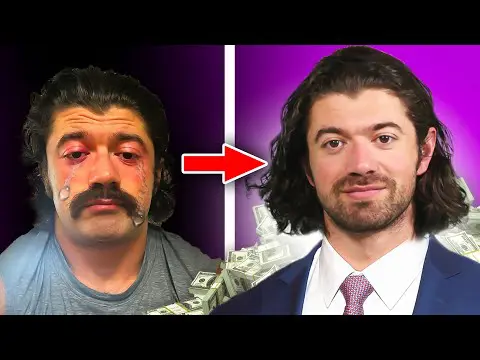
Alex Hormozi: How the best entrepreneurs REDEFINE reality..
The video discusses the power of labeling and how negative labels can harm individuals by making them believe that normal variations in the human condition are problems.
-
![Alex Hormozi: Why selfcare makes you poor & fragile [trigger warning]](https://leaderself.com/uploads/alex-hormozi-why-selfcare-makes-you-poor-and-fragile-trigger-warning-th.webp)
Alex Hormozi: Why selfcare makes you poor & fragile [trigger warning]
The video is about why the speaker thinks self-care is nonsense and why people should focus on finding ways to enjoy their lives instead of feeling guilty for not practicing self-care.
-

Alex Hormozi: Biden's tax plan.....
The video discusses Biden's proposed tax plan and how it may affect entrepreneurs, breaking down different levels of entrepreneurs and outlining the main points of the plan.
-
![Alex Hormozi: Starting a software company is a TERRIBLE F@#$ING IDEA... [TRIGGER WARNING]](https://leaderself.com/uploads/alex-hormozi-starting-a-software-company-is-a-terrible-f-ing-idea-trigger-warning-th.webp)
Alex Hormozi: Starting a software company is a TERRIBLE F@#$ING IDEA... [TRIGGER WARNING]
The video discusses why starting a software company as an information and service marketer or e-course guru is a bad idea, as it is difficult to create sticky software and compete with experienced software entrepreneurs, and the likelihood of success is low.
-

Alex Hormozi: The day when everything changed for me...
The video is about recognizing and hiring excellent salespeople, and the importance of selecting the right talent for a business.
-

Alex Hormozi: I increased my wealth EXPONENTIALLY using the power of INVERSE thinking...
The video is about using inverse thinking to increase wealth by understanding the variables that influence pay and creating more value.
-
![Alex Hormozi: What I look for to invest in companies [no bs]](https://leaderself.com/uploads/alex-hormozi-what-i-look-for-to-invest-in-companies-no-bs-th.webp)
Alex Hormozi: What I look for to invest in companies [no bs]
The video is about the three-step checklist that Alex Hormozi uses to evaluate the value of a business opportunity when investing in companies.
-
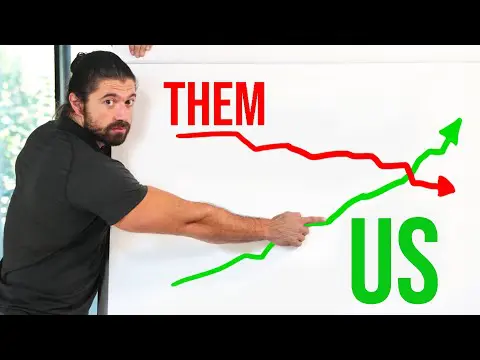
Alex Hormozi: 6 Ways Small Businesses Beat Big(ger) Competitors...
The video discusses six ways that small businesses can beat bigger competitors by increasing the value of their customers, including raising prices, decreasing the cost of goods, increasing purchase frequency, cross-selling, upselling, and down-selling.
-
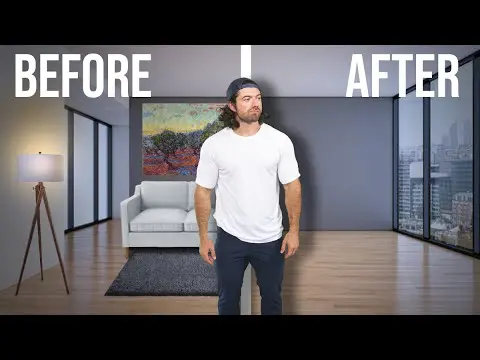
Alex Hormozi: I sold everything
The video is about why Alex Hormozi sold everything he owned, what life was like after he made the decision, what he learned, and what he is doing now.
-
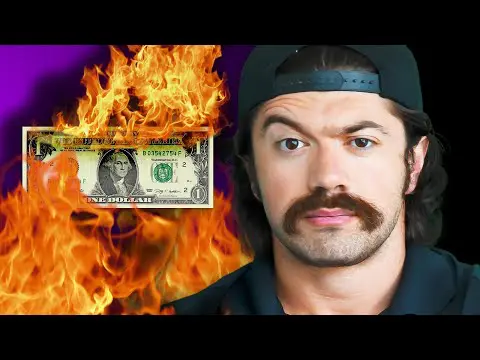
Alex Hormozi: What Millionaires Know That You Don't
The video discusses how successful entrepreneurs achieve their success through pattern recognition and knowing what the ideal scene looks like in their business.
-
Alex Hormozi: $100M Salesman Reveals #1 Persuasion Hack
The video is about the importance of having conviction in the product you are selling and how to increase conviction through a systematic process involving regular communication between customer success and sales teams and collecting testimonials and reviews from satisfied customers.
-

Alex Hormozi: I will never lose sleep again after learning this..
The video is about the importance of sleep for entrepreneurs and how it affects impulse control and intelligence, and the speaker shares his beliefs, environment, intake, and habits that have helped him improve his sleep.
-
Alex Hormozi: How to get what you want...
The video is about a keystone habit that has served the speaker well in achieving his goals, which is asking himself the question "what would a person who does this type of thing do in this instance?" or "what would a wise man do?" to identify the behaviors and activities that lead to success.
-
Alex Hormozi: The biggest mistake in your 20's that will make you poor in your 30's
The video discusses the biggest mistake people make in their 20s that can lead to being poor in their 30s, which is trying to curate their reputation instead of focusing on changing who they are.
-

Alex Hormozi: Why direct response marketers get rich...not wealthy
The video discusses the difference between branding and direct response marketing, and how not understanding this difference can cost marketers millions of dollars.
-
Alex Hormozi: Want to be rich? Stop letting THIS affect you...
The video discusses how the way we view and label traumatic events can affect how they shape us as people, and how controlling what we deem meaningful can shift the odds in our favor.
-
Alex Hormozi: If you think like this, you will stay poor and unhappy...
The video discusses how thinking in terms of desires and expectations can create a deficit between one's current reality and happiness, and how accepting life as it is without judgment or expectations can lead to true happiness.
-
Alex Hormozi: How society fools the poor with "work/life balance"
The video discusses how society's definition of work/life balance can be misleading and how individuals should prioritize what brings them joy and meaning in their lives.
-

Alex Hormozi: The first 5 hires EVERY entrepreneur should make...or go broke...
The video discusses the first five hires that entrepreneurs should make in order to grow their business and buy back their time for high leverage activities.
-
Alex Hormozi: The 10 Minute MILLIONAIRE entrepreneur advice for people starting from ZERO
The video is about how to pick a niche for your business and why it's important to have past experience within the industry.
-
Alex Hormozi: $100M CEO: How I know who to trust...
The video is about the importance of values in business and how to determine the non-negotiable values that are core to a company's identity.
-
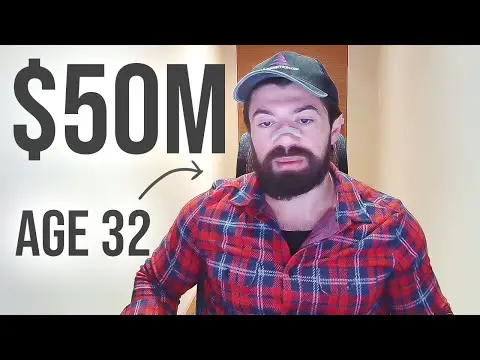
Alex Hormozi: I sold my company for $46,200,000 at age 32...7 LESSONS I learned..
The video is about the decision-making process that Alex Hormozi went through when he sold the majority stakes of three companies for $50 million and the seven variables he considered before making the decision.
-
![Alex Hormozi: The anti-routine...[what billionaires use to win]](https://leaderself.com/uploads/alex-hormozi-the-anti-routine-what-billionaires-use-to-win-th.webp)
Alex Hormozi: The anti-routine...[what billionaires use to win]
The video is about the concept of the anti-routine and how it helped Alex Hormozi go from being broke to making over seven figures a month, and how saying "no" and prioritizing tasks is more important than adding more tasks to a routine.
-
Alex Hormozi: The reason you are not successful...
The video is about the importance of volume in achieving success and how doing more of the four primary activities (reaching out to people you know, posting to an audience you know, reaching out to people who don't know, and advertising) can lead to more clients and sales.
-
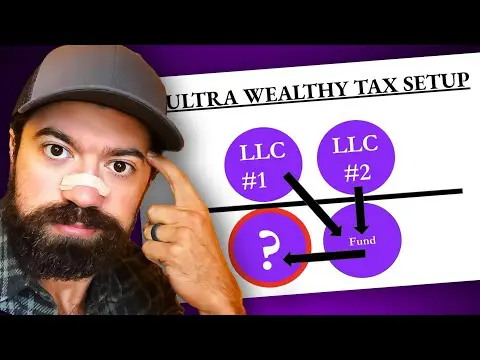
Alex Hormozi: I paid 0% tax on 56% of my income...here's how..
The video is about Alex Hormozi sharing his knowledge and experience on how to save taxes, including the four beliefs about taxes that have improved his life and the three primary costs that people do not account for when using tax shelters.