
Robert Greene and Andrew Huberman: A Process for Finding and Achieving Your Unique Purpose
Last updated: Dec 4, 2023
The video is about a conversation between Andrew Huberman and Robert Greene, where they discuss the process of finding and achieving one's unique purpose. The video covers a wide range of topics, including how to find and pursue one's purpose, the selection of a life partner, and the topics of motivation and urgency. The concept of "death ground" is also discussed, which arose during their discussion of Robert's recent stroke. The video emphasizes the importance of self-exploration and the psychology of human interaction in finding one's purpose, and it is rooted in history and modern culture. The video is part of Andrew Huberman's desire to bring zero-cost consumer information about science and science-based tools to the general public.
This video by Andrew Huberman was published on Dec 4, 2023.
Video length: 03:11:18.
The video is about a conversation between Andrew Huberman and Robert Greene, where they discuss the process of finding and achieving one's unique purpose in life.
The video covers a wide range of topics, including how to find and pursue one's purpose, the selection of a life partner, and the topics of motivation and urgency. The conversation also touches on the concept of death ground, which arose during their discussion of Robert's recent stroke. The video emphasizes the importance of self-exploration and the psychology of human interaction in finding one's purpose, and it is rooted in history and modern culture.
The video is part of Andrew Huberman's desire to bring zero-cost consumer information about science and science-based tools to the general public.
- The video is about a conversation between Andrew Huberman and Robert Greene, where they discuss the process of finding and achieving one's unique purpose.
- The video covers a wide range of topics, including how to find and pursue one's purpose, the selection of a life partner, and the topics of motivation and urgency.
- The concept of "death ground" is also discussed, which arose during their discussion of Robert's recent stroke.
- The video emphasizes the importance of self-exploration and the psychology of human interaction in finding one's purpose, and it is rooted in history and modern culture.
- The video discusses the process of finding one's unique purpose, which involves self-exploration and the psychology of human interaction.
- The selection of a life partner is also discussed, and the importance of finding someone who supports and encourages one's purpose is emphasized.
- The video emphasizes the importance of motivation and urgency in pursuing one's purpose, and the concept of "death ground" is discussed as a way to find one's purpose.
- The video also discusses the importance of exploring different types of meditation to bring about different levels of understanding about Consciousness and to place one's brain and body into lots of different kinds of states depending on which meditation one does.
- The video discusses the Waking Up App, which has different types of Yoga Nidra sessions for those who don't know Yoga Nidra.
Robert Greene: A Process for Finding & Achieving Your Unique Purpose - YouTube

Introduction
- Welcome to the Huberman Lab podcast
- Andrew Huberman is a professor of neurobiology and ophthalmology at Stanford School of Medicine
- Robert Greene is an author who has written more than five best-selling books
- Their discussion covers a wide range of topics, including finding and pursuing one's purpose, the selection of a life partner, and the topics of motivation and urgency

Finding and Pursuing One's Purpose
- Robert Greene's books explore the interaction between the psychology of self-exploration and the psychology of human interaction
- Their focus is on history and modern culture and pertains to everybody
- Andrew Huberman first learned about Robert's work from reading the book Mastery
- Mastery is a brilliant exploration and a practical tool for how to think about and pursue one's purpose

Selection of a Life Partner
- The discussion also covers the selection of a life partner, as well as romantic and other types of relationships
- Robert Greene's books are both unique and important for several reasons

Robert Greene: A Process for Finding & Achieving Your Unique Purpose - YouTube
Motivation and Urgency
- The topics of motivation and urgency are also discussed
- The concept of "death ground" arose during their discussion of Robert's recent stroke

Death Ground
- Robert's stroke rendered him certain limitations but also has allowed him to explore how to write, exercise, and interface with life in new ways
- The concept of "death ground" pertains to how to navigate forward along the path to one's purpose

Conclusion
- By the end of the episode, listeners will have gleaned tremendous amounts of new knowledge that will allow them to navigate forward along the path to their purpose
- The podcast is separate from Andrew's teaching and research roles at Stanford
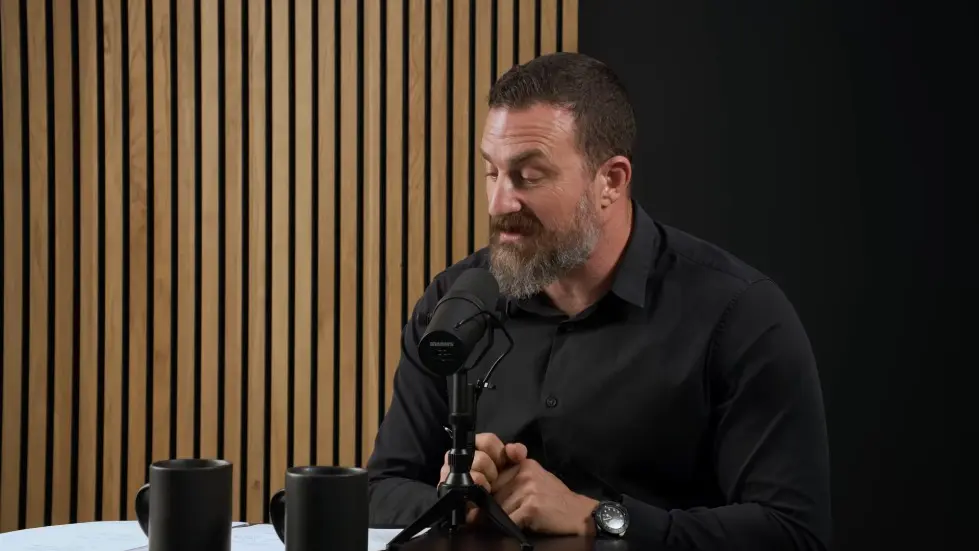
Introduction
- The video is about a conversation between Andrew Huberman and Robert Greene, where they discuss the process of finding and achieving one's unique purpose.
- The video covers a wide range of topics, including how to find and pursue one's purpose, the selection of a life partner, and the topics of motivation and urgency.
- The concept of "death ground" is also discussed, which arose during their discussion of Robert's recent stroke.
- The video emphasizes the importance of self-exploration and the psychology of human interaction in finding one's purpose, and it is rooted in history and modern culture.

Finding and Pursuing One's Purpose
- The video discusses the process of finding one's unique purpose, which involves self-exploration and the psychology of human interaction.
- The selection of a life partner is also discussed, and the importance of finding someone who supports and encourages one's purpose is emphasized.
- The video emphasizes the importance of motivation and urgency in pursuing one's purpose, and the concept of "death ground" is discussed as a way to find one's purpose.
- The video also discusses the importance of exploring different types of meditation to bring about different levels of understanding about Consciousness and to place one's brain and body into lots of different kinds of states depending on which meditation one does.
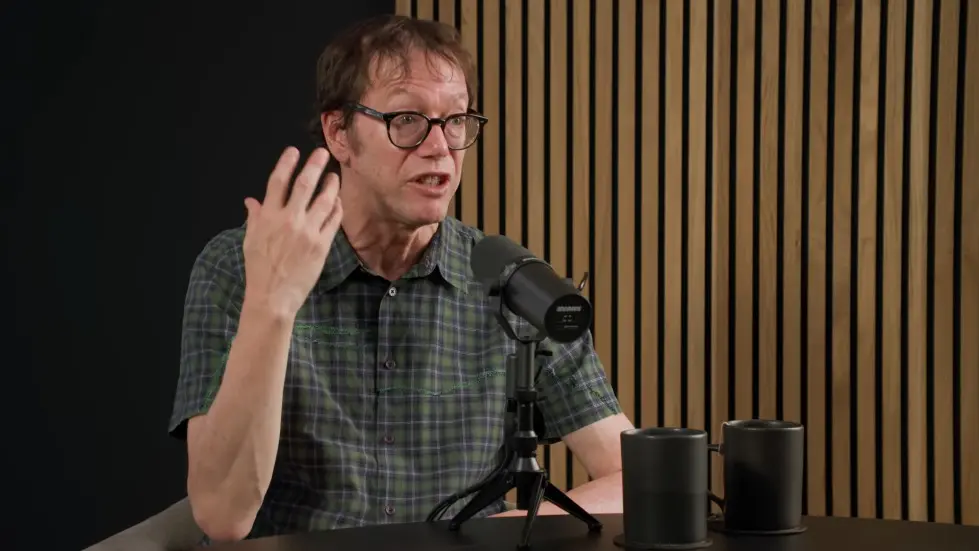
The Waking Up App
- The video discusses the Waking Up App, which has different types of Yoga Nidra sessions for those who don't know Yoga Nidra.
- Yoga Nidra is a process of lying very still but keeping an active mind, and it is different than most meditations.
- There is excellent scientific data to show that Yoga Nidra and something similar to it called non-sleep deep rest or nstr can greatly restore levels of cognitive and physical energy even with just a short 10-minute session.
- If you'd like to try the Waking Up App, you can go to wakingup.com/huberman and access a free 30-day trial.

Conclusion
- The video emphasizes the importance of self-exploration and the psychology of human interaction in finding one's purpose.
- The video is rooted in history and modern culture and is a useful resource for those looking to learn about neuroscience and their purpose.
- The video also discusses the importance of motivation and urgency in pursuing one's purpose and the concept of "death ground" as a way to find one's purpose.
- The video concludes with a great debt of gratitude for the transformative impact that the book Mastery had on the speaker's life and the role it played in shaping the podcast.

The Unique Purpose
- Everyone has a unique purpose in life due to their DNA and life experiences.
- Finding one's unique purpose is the source of power and can be used to create a career path.
- Childhood is a time when impulse voices, or little voices in one's head, direct them towards certain things.
- There are many forms of intelligence, and one's brain naturally veers towards one of them.
- When young, one can get a picture of a direction or voice inside of them that was impelling them towards a certain thing.

The Process
- There is a process involved in finding one's unique purpose.
- One can mine their uniqueness and use it to create a career path.
- When young, one can get a picture of a direction or voice inside of them that was impelling them towards a certain thing.
- One's brain naturally veers towards one of the five forms of intelligence.
- One can go back and think about when they were young to get a picture of a direction or voice inside of them that was impelling them towards a certain thing.

The Impulse Voices
- Impulse voices, or little voices in one's head, direct them towards certain things.
- When young, these voices direct one towards intellectual and mental pursuits.
- One can get a picture of a direction or voice inside of them that was impelling them towards a certain thing.
- One's brain naturally veers towards one of the five forms of intelligence.
- One can go back and think about when they were young to get a picture of a direction or voice inside of them that was impelling them towards a certain thing.

The Five Forms of Intelligence
- There are five forms of intelligence: words, abstract intelligence, mathematics, kinetic intelligence, and social intelligence.
- One's brain naturally veers towards one of these forms of intelligence.
- One can get a picture of a direction or voice inside of them that was impelling them towards a certain thing.
- One's brain naturally veers towards one of the five forms of intelligence.
- One can go back and think about when they were young to get a picture of a direction or voice inside of them that was impelling them towards a certain thing.
The Career Path
- Finding one's unique purpose can be used to create a career path.
- One's brain naturally veers towards one of the five forms of intelligence.
- One can get a picture of a direction or voice inside of them that was impelling them towards a certain thing.
- One's brain naturally veers towards one of the five forms of intelligence.
- One can go back and think about when they were young to get a picture of a direction or voice inside of them that was impelling them towards a certain thing.

The Importance of Self-Exploration
- The process of finding one's purpose is crucial for achieving success and fulfillment in life.
- It is important to explore one's inner radar and find their unique inclination or grain that connects to them emotionally.
- When one finds their life's task, it gives them a sense of direction and opens up new opportunities.
- The process of finding one's purpose is not always easy, but it is possible to go through it with the right guidance and support.

The Role of Emotions in Learning
- Emotions play a crucial role in learning and retention of information.
- When one is emotionally engaged in a subject, their brain learns at a much faster rate than when they are not.
- One can learn more in a short period of time when they are emotionally invested in a subject.
- The process of finding one's purpose is emotionally engaging, which helps in learning at a faster rate.

The Benefits of Discipline and Focus
- Discipline and focus are essential for achieving success in any field.
- When one is disciplined and focused, they can learn at a faster rate and achieve their goals more efficiently.
- The process of finding one's purpose requires discipline and focus to stay on track and achieve the desired results.
- One can learn more in a shorter period of time when they are disciplined and focused on their goals.

The Importance of Finding One's Unique Purpose
- Finding one's unique purpose is crucial for achieving success and fulfillment in life.
- One's unique purpose is the thing that connects to them emotionally and gives them the energy to pursue it.
- When one finds their life's task, it gives them a sense of direction and opens up new opportunities.
- The process of finding one's purpose is not always easy, but it is possible to go through it with the right guidance and support.

The Concept of "Death Ground"
- The concept of "death ground" was discussed during the conversation between Andrew Huberman and Robert Greene.
- It arose during their discussion of Robert's recent stroke.
- The concept refers to the idea that our unique purpose is rooted in our experiences and interactions with the world around us.
- It emphasizes the importance of self-exploration and the psychology of human interaction in finding one's purpose.

Finding and Achieving One's Unique Purpose
- The process of finding and achieving one's unique purpose involves exploring one's interests and passions.
- It also involves understanding one's strengths and weaknesses, as well as one's unique perspective on the world.
- One's purpose can be found in the things that bring them delight and fulfillment.
- It is important to draw one's attention to these things and to explore them in depth.
- Ultimately, achieving one's unique purpose requires a combination of self-exploration, hard work, and dedication.

The Selection of a Life Partner
- The selection of a life partner is an important aspect of finding and achieving one's unique purpose.
- It is important to find someone who shares one's values and interests, and who can support and encourage one's goals.
- It is also important to find someone who can bring new perspectives and experiences to the table.
- Ultimately, the selection of a life partner is a personal decision that requires careful consideration and reflection.

Motivation and Urgency
- Motivation and urgency are important factors in finding and achieving one's unique purpose.
- It is important to have a clear sense of purpose and direction in order to stay motivated and focused.
- Urgency can also be a powerful motivator, as it creates a sense of urgency and pressure to achieve one's goals.
- It is important to find a balance between motivation and urgency, as too much of either can lead to burnout and exhaustion.

Conclusion
- The process of finding and achieving one's unique purpose involves exploring one's interests and passions, understanding one's strengths and weaknesses, and drawing one's attention to the things that bring them delight and fulfillment.
- It is important to find a life partner who shares one's values and interests, and who can support and encourage one's goals.
- Motivation and urgency are important factors in finding and achieving one's unique purpose, but it is important to find a balance between them.
- Ultimately, finding and achieving one's unique purpose requires a combination of self-exploration, hard work, and dedication.

The Importance of Early Love Experiences
- Early love experiences are important for a child to know what they hate and why they hate it.
- This knowledge can help the child rebel against their hated field and pursue a different one.
- If a child is kinesthetically oriented, they may need to practice a field they love in order to become good at it.
- If a child has a negative experience with a field they hate, it can transfer to other areas of life and make them less motivated.
- Parents should let their children have glimmers of love experiences in order to help them find their passion.

The Role of Energy and Motivation
- Energy and motivation can come from either pressure or desire.
- Agitation is a signature of the neurochemicals that are saying something's different and may require rewiring oneself.
- Neural energy is the engagement of oneself and is necessary for making decisions about life purpose.
- Things that excite adults and generate feeling of readiness or grab their attention can be informative towards guiding their decisions about life purpose.
- It is important to pay attention to the larger picture of something that will give fulfillment over years to come, rather than just immediate pleasures of life.

The Role of Positive and Negative Experiences
- Positive and negative experiences can form a person.
- Positive experiences can help a person find their passion and purpose.
- Negative experiences can make a person less motivated and less engaged.
- It is important to have a balance of positive and negative experiences in order to grow and develop.
- It is important to learn from negative experiences and use them as opportunities for growth.

The Role of Genetics in Interests and Passions
- Interests and passions can be influenced by genetics.
- It is important to note that genetics is not the only factor in determining interests and passions.
- Environmental factors, such as parental influence, can also play a role in shaping interests and passions.
- It is important to explore and pursue interests and passions that are both genetically and environmentally influenced.
- It is important to remember that interests and passions can change over time and can be influenced by new experiences and knowledge.

The Importance of Self-Exploration
- Self-exploration is important for finding one's unique purpose.
- It is important to be open to new experiences and knowledge in order to expand one's interests and passions.
- It is important to be honest with oneself about one's interests and passions in order to make informed decisions about life purpose.
- It is important to be patient and persistent in the process of self-exploration.
- It is important to remember that finding one's unique purpose is a lifelong journey and may require ongoing exploration and reflection.

The Importance of Self-Exploration
- The deeper process of finding one's purpose involves paying attention to oneself.
- People today are not paying attention to themselves, as they are always attuned to what other people like.
- Frustration or anxiety are definite signals that one must pay attention to.
- Self-awareness is crucial to understanding one's frustration and anxiety.
- One must understand why they are frustrated or anxious to find their purpose.

The Role of Nutrition in Finding One's Purpose
- Quality nutrition influences physical, mental, and cognitive functioning.
- One of the most important features of high-quality nutrition is making sure one gets enough vitamins, minerals, probiotics, and prebiotics.
- Getting enough servings of high-quality fruits and vegetables per day is also important.
- One of the challenges of getting enough high-quality nutrition is ensuring one gets enough fiber.
- Drinking ag1 can provide all of one's foundational nutritional needs.

The Transformative Effect of Puberty
- Puberty is the most profound transformation that the brain undergoes in the entire lifespan.
- Everything is different after puberty, including relational dynamics and potential involvement in them.
- Hormones that are suddenly raging during puberty cause changes in how one views the world and how the world views them.
- Puberty also affects one's learning capacity and expectations of what they are capable of and responsible for.
- Puberty is the most rapid stage of aging in one's entire lifespan.

The Importance of Unadulterated Self-Referencing
- Engaging in unadulterated self-referencing is important for finding one's purpose.
- As a child, one is literally pre-pubescent, which is a different stage of development.
- Puberty brings about new relational dynamics and potential involvement in them.
- One's learning capacity and expectations of what they are capable of and responsible for are also affected by puberty.
- Unadulterated self-referencing allows one to understand their own thoughts and emotions, which is crucial for finding their purpose.

The Concept of Sublime
- The concept of Sublime refers to experiences that are beyond the conventional circle of thinking and behavior.
- The word Sublime comes from the threshold of something else, such as death or the cosmos.
- The quintessential Sublime experience is a near-death experience, standing on the threshold of death itself.
- The human brain is wired for transcendental experiences that take us out of our narrow little realm.
- The idea that we can see something larger than just the banal parts of our life is a doorway that allows us to transcend the moment and feel connected to something larger.

The False Sublime
- The false Sublime comes from outside sources, such as drugs, alcohol, shopping, online rage, and joining a cause.
- These experiences give us a sense of calm and make us feel like there's something else going on in life besides our job or our problems.
- However, the false Sublime is not real and not lasting, it's an illusion that's not based on anything real.
- To satisfy our craving for the real Sublime, we need more and more of these experiences, but they will never truly satisfy us.
- The real Sublime is an experience that we generate in our own mind and our own experience.

The Sublime and Finding One's Purpose
- The concept of Sublime is related to finding authentic seeds within ourselves as opposed to emotions that can be distracting and misleading.
- The real Sublime is what lies just outside the conventional circle of thinking and behavior.
- The human brain is wired for transcendental experiences that take us out of our narrow little realm.
- The idea that we can see something larger than just the banal parts of our life is a doorway that allows us to transcend the moment and feel connected to something larger.
- To find one's purpose, we need to have more and more of these experiences, but they will never truly satisfy us.
The Sublime and the Cosmos
- The quintessential Sublime experience is a near-death experience, standing on the threshold of death itself.
- The human brain is wired for transcendental experiences that take us out of our narrow little realm.
- The idea that we can see something larger than just the banal parts of our life is a doorway that allows us to transcend the moment and feel connected to something larger.
- The real Sublime is what lies just outside the conventional circle of thinking and behavior.
- The human brain is wired for experiences that take us out of our narrow little realm and connect us to something larger, such as the cosmos.

The Transformative Power of Peak Experiences
- The speaker discusses the transformative power of peak experiences, which Maslow called "sublime experiences."
- The speaker describes his own early experiences of seeing things that delighted him in a way that felt sublime.
- The speaker explains how these experiences created an activation state within him, leading him to explore and learn more about the things that delighted him.
- The speaker describes how these experiences transcended time and seemed to have a permanence to them.
- The speaker is obsessed with time perception and believes that humans have the ability to "slice" time, either through passive engagement or through trying to get overwhelmed or overtaken by an experience or substance.
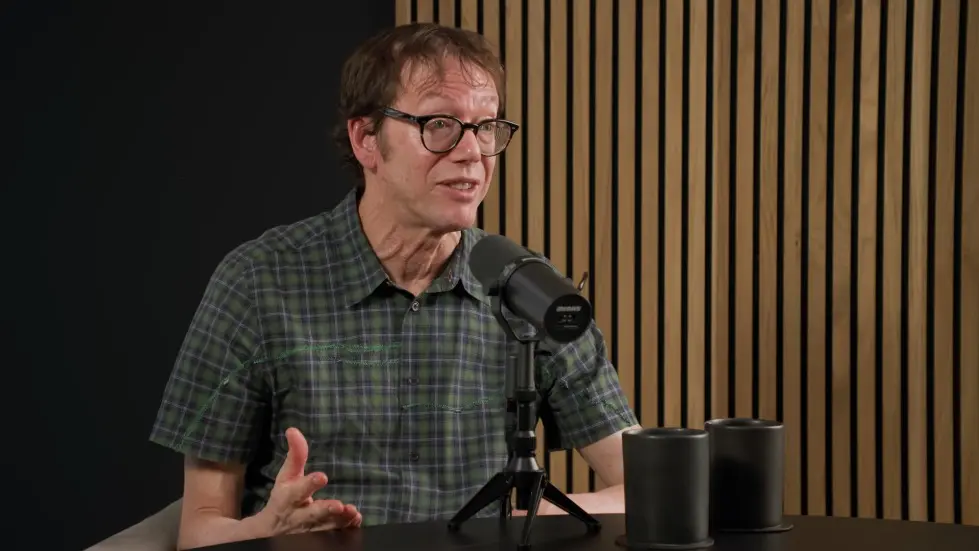
The Human Brain's Ability to "Slice" Time
- The speaker discusses the human brain's ability to "slice" time, either through passive engagement or through trying to get overwhelmed or overtaken by an experience or substance.
- The speaker believes that humans have a unique ability to perceive time in a subjective way, which can be either extremely slow and tedious or pass by without notice.
- The speaker describes how he becomes immersed in his writing and is unaware of the passage of time, experiencing a deeply pleasurable experience of time that is sublime.
- The speaker believes that the human brain's ability to "slice" time is a wondrous experience that is both extremely slow and tedious or passes by without notice.
- The speaker is eagerly awaiting the next book from the speaker and is immersed in it, talking for hours about the topic.

The Connection Between Peak Experiences and Purpose
- The speaker discusses the connection between peak experiences and finding one's purpose.
- The speaker describes how his early experiences of seeing things that delighted him in a way that felt sublime created an activation state within him, leading him to explore and learn more about the things that delighted him.
- The speaker explains how these experiences transcended time and seemed to have a permanence to them.
- The speaker is obsessed with time perception and believes that humans have the ability to "slice" time, either through passive engagement or through trying to get overwhelmed or overtaken by an experience or substance.
- The speaker believes that the human brain's ability to "slice" time is a wondrous experience that is both extremely slow and tedious or passes by without notice.

The Framework for Finding One's Purpose
- The speaker discusses the framework that he has created for finding one's purpose.
- The speaker describes how his early experiences of seeing things that delighted him in a way that felt sublime created an activation state within him, leading him to explore and learn more about the things that delighted him.
- The speaker explains how these experiences transcended time and seemed to have a permanence to them.
- The speaker is obsessed with time perception and believes that humans have the ability to "slice" time, either through passive engagement or through trying to get overwhelmed or overtaken by an experience or substance.
- The speaker believes that the human brain's ability to "slice" time is a wondrous experience that is both extremely slow and tedious or passes by without notice.

The Importance of Self-Exploration and the Psychology of Human Interaction
- The speaker emphasizes the importance of self-exploration in finding one's purpose.
- The speaker describes how his early experiences of seeing things that delighted him in a way that felt sublime created an activation state within him, leading him to explore and learn more about the things that delighted him.
- The speaker explains how these experiences transcended time and seemed to have a permanence to them.
- The speaker is obsessed with time perception and believes that humans have the ability to "slice" time, either through passive engagement or through trying to get overwhelmed or overtaken by an experience or substance.
- The speaker believes that the human brain's ability to "slice" time is a wondrous experience that is both extremely slow and tedious or passes by without notice.

The concept of power
- Power can be expressed in different ways and accessed in different ways.
- Every career endeavor has power dynamics, such as mentor-mentee, teacher-student, and romantic relationships.
- Power exchange in relationships involves yeses and noes, and can be overt or covert.
- Human beings are wired to want a degree of control over their immediate environment and events.
- The sense of wanting control over others is deeply rooted in human nature and compels us to act in certain ways.

Defining power
- Power can be defined as the feeling that we have no control over our environment.
- The human being is wired to want a degree of control over the immediate environment and events.
- The idea of having complete control is nonsense and would be very ugly.
- The sense of wanting control over others is deeply rooted in human nature.
- The sense of wanting control over others compels us to act in certain ways.

The need for control
- Every human being ever who's ever lived has the need for control.
- We often don't recognize this need because we're embarrassed by it.
- The need for control is not easy because human beings are complicated.
- People are tricky and wear masks, and power is an invisible realm that envelops society.
- When entering the social world, we're not expecting these battles and realize how political people are.

Power dynamics in relationships
- Power dynamics exist in all relationships, including mentor-mentee, teacher-student, and romantic relationships.
- Power exchange in relationships involves yeses and noes, and can be overt or covert.
- Human beings are wired to want a degree of control over their immediate environment and events.
- The sense of wanting control over others is deeply rooted in human nature and compels us to act in certain ways.
- The sense of wanting control over others is not easy because human beings are complicated.

The Need for Self-Expression
- The majority of people are not sharks and do not have any advice or guidance on how to achieve their purpose.
- The need for self-expression is important, as it allows individuals to control certain things and move people in a desired direction.
- Learning psychology and understanding how to move people without them realizing in certain directions is essential.
- The Art of Seduction is a practical way to learn these subtle dynamics of power.
- The goal is to find one's unique slot in a lateral arrangement of different people with different strengths and life purposes.

The Importance of Knowing One's Place
- Knowing one's place in relation to oneself, peers, and the context of one's peer group is important.
- Trying to gain power in a position that is not right for someone can be energetically costly and lead to misery.
- Figuring out where one is most powerful in a benevolent sense of the word can lead to mastery and finding one's life's purpose.
- The desire to prove oneself and find a niche that one belongs to is a part of human nature.
- Compensating for weaknesses and finding what one is good at can lead to power and a sense of connection.

The Connection between Power and Inner Sense
- Power is connected to the inner sense of what one was meant to do.
- Feeling a sense of ease and connection when one is in their unique slot can lead to mastery and finding one's life's purpose.
- The Art of Seduction is a practical way to learn these subtle dynamics of power.
- The goal is to find one's unique slot in a lateral arrangement of different people with different strengths and life purposes.
- The desire to prove oneself and find a niche that one belongs to is a part of human nature.

The Role of Psychology in Finding One's Purpose
- Learning psychology is essential in understanding how to move people without them realizing in certain directions.
- The Art of Seduction is a practical way to learn these subtle dynamics of power.
- The goal is to find one's unique slot in a lateral arrangement of different people with different strengths and life purposes.
- The desire to prove oneself and find a niche that one belongs to is a part of human nature.
- The need for self-expression is important, as it allows individuals to control certain things and move people in a desired direction.

The Importance of Self-Exploration
- Self-exploration is important in finding one's unique slot in a lateral arrangement of different people with different strengths and life purposes.
- The desire to prove oneself and find a niche that one belongs to is a part of human nature.
- The need for self-expression is important, as it allows individuals to control certain things and move people in a desired direction.
- Learning psychology is essential in understanding how to move people without them realizing in certain directions.
- The Art of Seduction is a practical way to learn these subtle dynamics of power.

The Concept of "Beast"
- The speaker describes himself as an "intellectual beast"
- The word "beast" implies an exchange or interaction between two or more people
- Seduction is both our propensity to do it and to have it done to us
- Seduction is hardwired into our nervous system and has a lot to do with the hypothalamus and other areas
- The speaker invites the idea that why do we have neural circuits in our brain that allow us to seduce and be seduced

The Origin of Desire for Seduction
- The speaker believes that the sense of something being taboo and transgressive is the ultimate kind of origin of our desire for seduction
- The idea that you're not supposed to desire of this person stirs that actual desire
- The sense of no, the sense that this is prohibited stirs the desire, contrary impulses in humans
- The person being seduced is in some ways to a degree complicit because if you just put up a wall and you said no, nothing will happen
- The paradigm for that is Early Childhood, Freud talks a lot about this

The Role of Vulnerability in Seduction
- Seduction involves vulnerability, it involves somebody getting inside somebody gets under our skin
- To do that we have to let them in, so the person being seduced is in some ways to a degree complicit
- The person being seduced is letting that person into their psyche, into their inner space
- The idea is that the child is seduced by the parent, you're in an extremely vulnerable position
- The feeling of vulnerability creates a pattern for the rest of your life

The Role of Freud in Understanding Seduction
- Freud talks a lot about the child being seduced by the parent
- The child is in an extremely vulnerable position, their life depends on them
- The speaker acknowledges that Freud had an absolute like near supernatural levels of insight and brilliance into human nature
- Freud had emotional attachments to his patients that he shouldn't have had
- The speaker acknowledges that sleeping with patients and being a cocaine addict were bad ideas

The Concept of Seduction
- Seduction is a form of influence that lowers resistance and opens the mind to what's going to happen next.
- Stories are very seducing to us because we don't know where they're taking us or what the next chapter is.
- The surprise in a story lowers our resistance and opens our mind to what's going to happen next.
- Fairy tales are a form of seduction because they take us on a journey and we don't know where it's going.
- Our interactions with our parents are deeply ingrained in us and we cannot be seduced unless we are vulnerable.
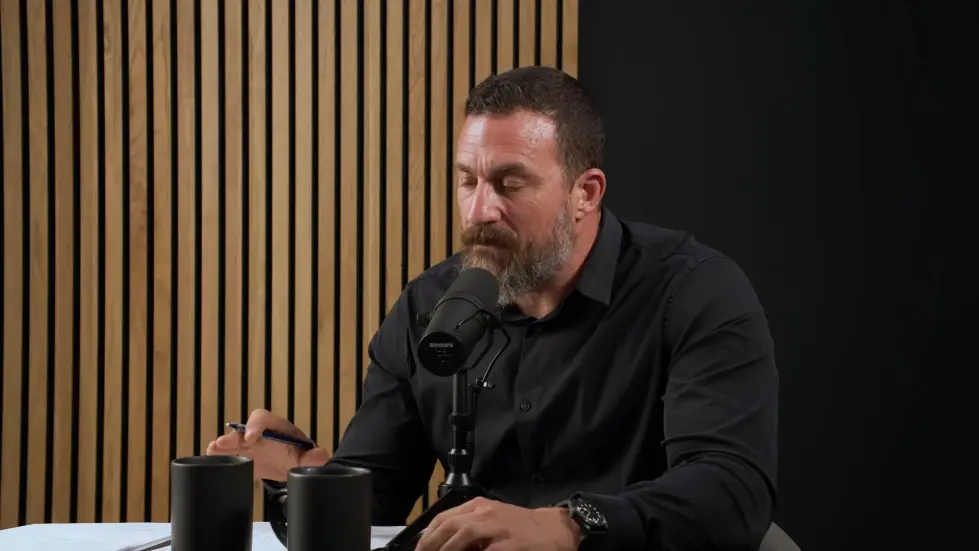
Vulnerability as a Positive Trait
- Vulnerability is a positive trait because it allows us to be seduced and open to new experiences.
- People have become too invulnerable due to harsh and invasive circumstances, which infects their relationships with others.
- Surrendering to the power of another person and then reversing that charge can be a delightful feeling.
- Reading a writer and being completely seduced by their work is a form of vulnerability.
- Finding a way to be seduced by a writer who we don't like requires vulnerability and empathy.

Intelligence and Confidence
- Vulnerability is a form of intelligence because it requires emotional and intellectual intelligence.
- Allowing oneself to be vulnerable to the point where you're seduced by something implies a level of confidence.
- Confidence in many ways implies taking risks and being open to new experiences.
- Taking our minds where we will because we know we can come back at any time is a form of confidence.
- The same thing in a physical sense, such as in a romantic relationship, requires vulnerability and confidence.

Attachment Systems and Recovery
- Attachment systems, which are rooted in childhood, can overwhelm one's ability to recover oneself.
- Once an attachment system is locked in, it becomes difficult to disengage from it.
- The attachment system is a force that tugs pretty hard and can be difficult to break free from.
- Many women have written to the author about their boyfriends or husbands using seductive tactics on them.
- Reading about seductive tactics and strategies can help recognize what is happening in a relationship.
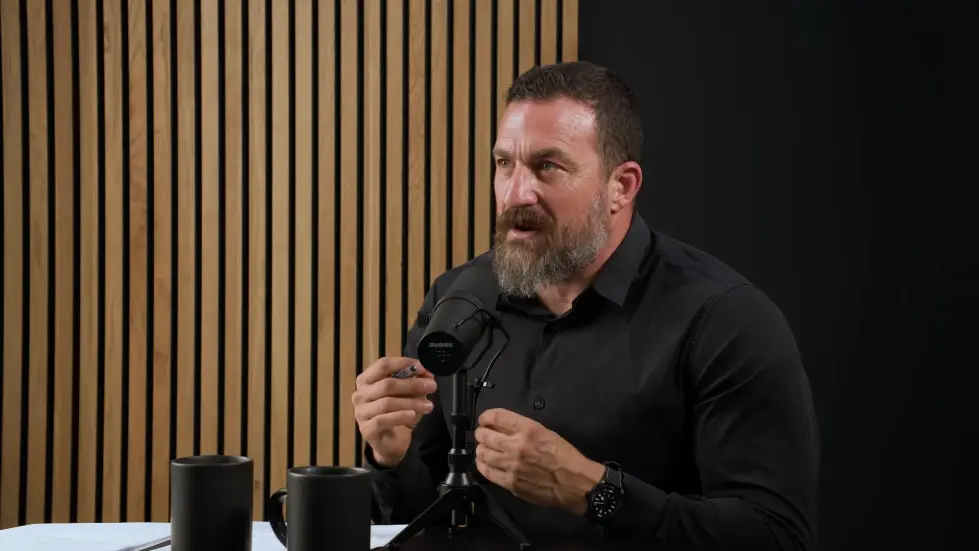
The Art of Seduction
- The speaker is discussing the concept of "seduction" and how it involves taboo elements.
- The speaker acknowledges that female-to-male seduction exists, but it is less often discussed.
- The speaker discusses how society coaches individuals on seductive tactics and adornments.
- The speaker mentions that men generally enjoy being seduced by women, as it allows them to enter a sensual physical world.
- The speaker discusses powerful men in history who have fallen for siren-like women and been completely dominated by them.
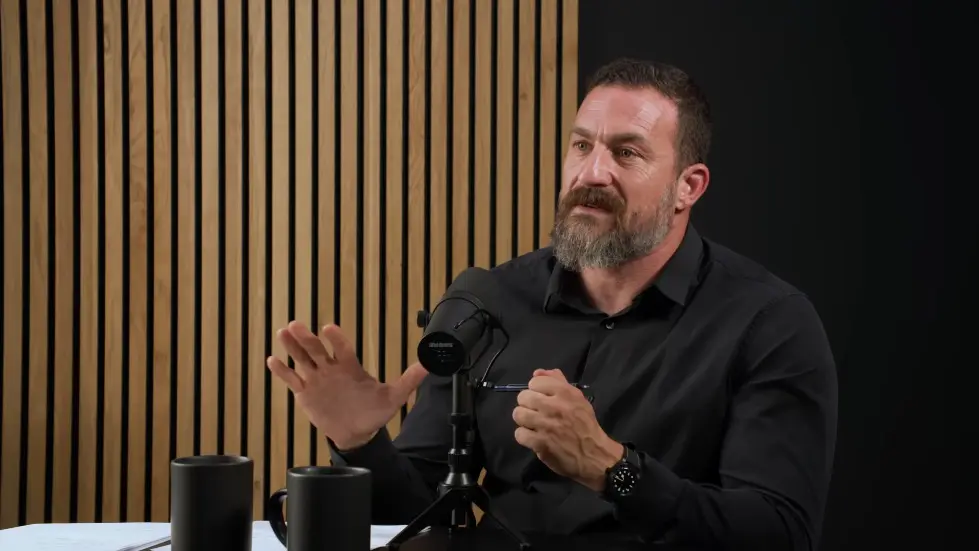
Power Exchange in Sexual Exchanges
- The speaker discusses the concept of "topping from the bottom," where one person gives the impression of being more powerful.
- The speaker notes that power can be given or taken in seductive exchanges.
- The speaker suggests that seductive exchanges and romantic exchanges are about both people buying into an illusion of power dynamics.
- The speaker mentions that covert contracts can potentially create problems in relationships.
- The speaker explores the relationship between sex, romance, and power in the context of The Art of Seduction.

Appearance Games in Relationships
- Appearance games are common in romantic relationships.
- It is hard to determine who is in control of the dynamic.
- Sex and power are intertwined in US physically and emotionally.
- Neurologically, there is no avoiding the existence of sexual mounting behavior.
- There is a separate neural circuit for nonsexual mounting and physical power.

Separate Circuit for Nonsexual Mounting and Physical Power
- There is a separate neural circuit for nonsexual mounting and physical power.
- This circuit is entirely separate from all of the reflexes associated with sexual behavior.
- This circuit is expressed in animals, usually from behind, often times scruffing or biting the back of the neck.
- This circuit says "I decide whether or not you are mobile for this moment."
- This discovery substantiates the idea that power and physical power are not the only forms of control in relationships.

Mounting Behavior and Power Dynamics
- Mounting behavior is a primitive form of control in relationships.
- There are host of neural circuits in the brain that are about defining who's on top literally.
- This has nothing to do with sexual behavior.
- Mounting behavior is a unique set of circuits in the brain.
- This discovery challenges the idea that power and physical power are the only forms of control in relationships.

Love and Equality
- Love is different from seduction and has an element of equality.
- Love is the antithesis of the Art of Seduction.
- Love is an idea of love that does not have a power dynamic going on in it.
- There is a famous French biologist who studied parium and found moments where single celled organisms were suddenly coupling.
- This discovery challenges the idea that power and physical power are the only forms of control in relationships.

The Biological Desire for Love
- The desire to connect with someone deeply is biologically wired into humans.
- This desire is for love, which is an energy that permeates all living things.
- Love is not just about power and hierarchy, but about equality and connection.
- Love involves the physical and mental connection between two people.
- Love Sublime is an ideal that doesn't really exist in the world today, but it is a biological necessity for humans to feel a deep sense of connection.
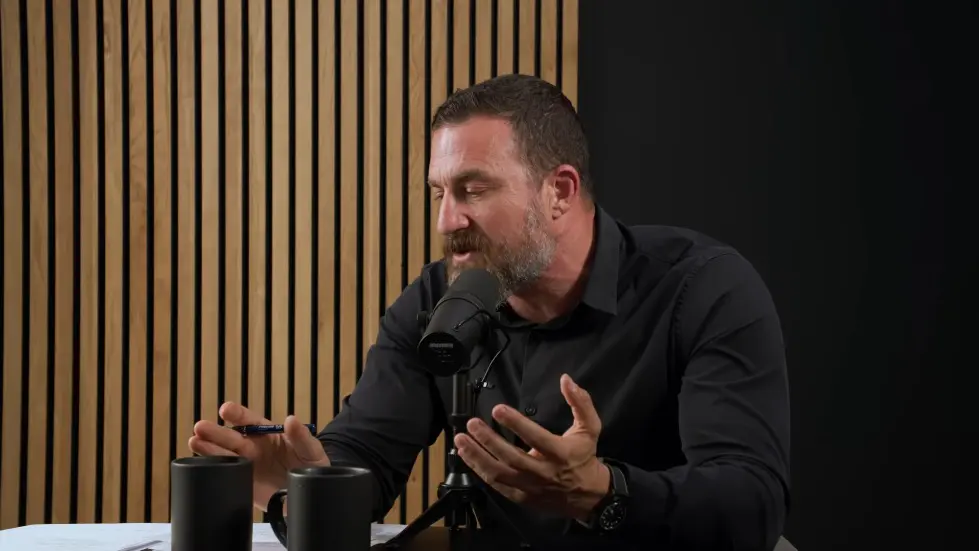
The Connection between Love and Sex
- Sex is the trigger for love because it makes the body permeable to the other person's energy.
- When you have sex with someone, your body releases powerful chemicals in the brain that can be overwhelming.
- If you don't react to these chemicals, your mind also becomes permeable to the other person's energy and desire.
- The physical and mental connection between two people can reach a state called love Sublime.
- Love Sublime is an ideal that involves surmounting our own neurology and entering a zone of equality and connection.

The Importance of Equality in Love
- Love involves equality between two people, where there is no power dynamics or playing.
- In love, we let go of the ego games and engage in a deeper connection with the other person.
- Love is not just about power and hierarchy, but about equality and connection.
- Love involves surmounting our own physiology and hypothalamus to engage in a deeper connection with the other person.
- Love Sublime is an ideal that involves entering a zone of equality and connection with the other person.

The Connection between Love and Politics
- The lack of setting aside of power dynamics and making oneself vulnerable is a barrier to accessing love in the Romantic context.
- The societal context also plays a role in accessing love, with channels for connection and interconnectedness needed.
- The argument is not that everyone should take psychedelics to see the interconnectedness of things, but it is a realistic route.
- The desire for love is deeply ingrained in humans, and it is a biological necessity for us to feel a deep sense of connection.
- Love involves surmounting our own physiology and hypothalamus to engage in a deeper connection with the other person.
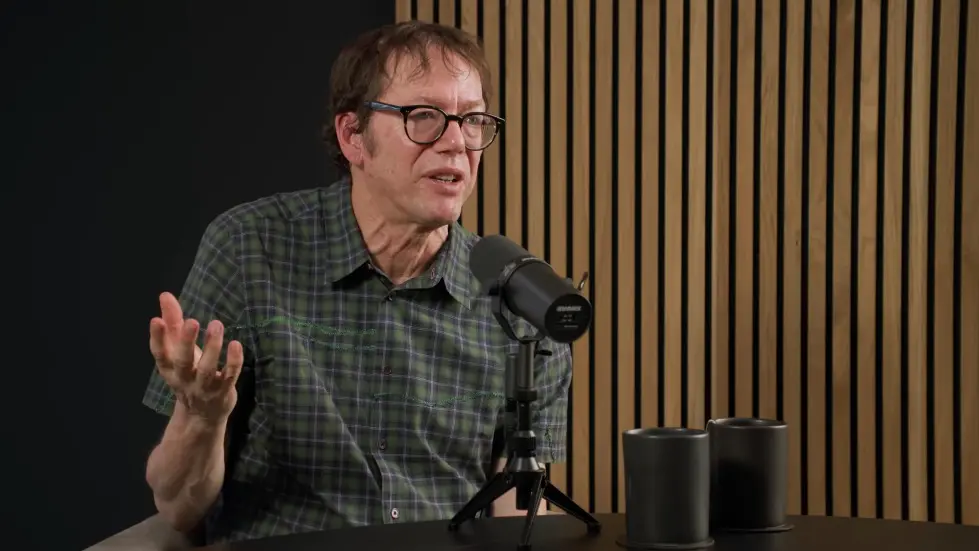
The Problem of Finding One's Purpose
- The speaker is concerned about the impact of hookup culture, pornography, and other factors on young people's brains and their ability to find their purpose.
- He believes that young people are growing up in a chaotic and hostile environment, which is rewiring their brains and causing them to lose their sense of connectedness.
- The speaker sees a lot of young people who are struggling to find their purpose and blames them for not having the tools to do so.
- He believes that it is possible to expand and rewire the brain, but it requires effort and a willingness to be vulnerable.
- The speaker wants to help people find their purpose by framing it as something pleasurable and healthy, rather than something negative or burdensome.

The Importance of Vulnerability
- The speaker believes that vulnerability is a positive attribute that can infect romantic relationships and improve mental health.
- He believes that creative people are extremely vulnerable to ideas and the environment, and that closing oneself off into one's own ego can be detrimental.
- The speaker wants to help people embrace vulnerability as a way to escape the prison of the ego and improve their lives.
- He believes that vulnerability is a key to success in romantic relationships, career, mental energy, creativity, and being open in general.
- The speaker wants to make it clear that vulnerability is not comfortable, but it is necessary for personal growth and fulfillment.

The Pleasures of Letting Go
- The speaker wants to frame letting go of one's defenses and natural resistance as a way to experience pleasure and therapy.
- He believes that letting go of one's ego and opening oneself up to other people is key to success in romantic relationships, career, mental energy, creativity, and being open in general.
- The speaker wants to paint a wonderful portrayal of the pleasures that await people by letting go of their defenses and natural resistance.
- He believes that letting go of one's ego is not comfortable, but it is necessary for personal growth and fulfillment.
- The speaker wants to make it clear that letting go of one's ego is not a negative thing, but a positive step towards finding one's purpose and fulfilling one's potential.

The Human Spirit as a Source of Energy
- The speaker believes that the human spirit is a source of energy that permeates the world.
- He wants to help people connect with this energy and find their purpose.
- The speaker believes that the feeling of being closed inside of one's ego is disconnecting people from the best experiences they can have in life.
- He wants to make it clear that being closed inside of one's ego is not comfortable and can lead to a lack of fulfillment.
- The speaker believes that the only other hope for finding one's purpose is in the human spirit.

The Problem with Social Media
- Social media is causing a lot of disconnection and alienation among young people.
- It provides instant and immediate gratification, which can be addictive.
- People are becoming increasingly closed and partisan, leading to conflict and divisiveness.
- Social media has become a wrecking ball, causing damage as it reaches its extremes.
- The negative aspects of social media, such as the availability of pornography and high-density calorie food, can distract people from their deeper purpose and sense of vulnerability.

The Need for a Sense of Justice
- Having a sense of justice is important for structuring society.
- The availability of examples of injustice on social media can be overwhelming and distracting.
- Determining whether or not to take action about injustice is crucial.
- Being bombarded with things that upset us can hijack our creativity and prevent a sense of vulnerability.
- People feel a sense of obligation to do something about injustice, but being overwhelmed by it can be counterproductive.

The Importance of Ignoring Certain Things
- Modern life should involve the ability to ignore certain things.
- People need to see themselves through a different lens and realize that social media is distracting them from their deeper purpose.
- Ignoring certain things can help people focus on what is truly important.
- People need to learn to prioritize and ignore things that do not serve their purpose.
- The ability to ignore certain things is a key aspect of finding and achieving one's unique purpose.

The Role of Individuals in Saving Us from Social Media
- Individuals can play a major role in saving us from the negative aspects of social media.
- People need to see themselves through a different lens and realize that social media is distracting them from their deeper purpose.
- Individuals can help others see themselves through a different lens and realize the importance of ignoring certain things.
- People need to learn to prioritize and ignore things that do not serve their purpose.
- Individuals can help others learn to prioritize and ignore things that do not serve their purpose.

Section 1: Finding and Pursuing One's Purpose
- The video is about a conversation between Andrew Huberman and Robert Greene, where they discuss the process of finding and achieving one's unique purpose.
- The video covers a wide range of topics, including how to find and pursue one's purpose, the selection of a life partner, and the topics of motivation and urgency.
- The concept of "death ground" is also discussed, which arose during their discussion of Robert's recent stroke.
- The video emphasizes the importance of self-exploration and the psychology of human interaction in finding one's purpose.
- The video is rooted in history and modern culture.

Section 2: Problems with Oakland
- The video starts with a discussion about the problems with Oakland, where Andrew Huberman lives.
- The city has its problems, but as an East Bay kid, Andrew has a deep love for it.
- The video discusses how the problems with Oakland have affected Andrew's life, including theft and crime.
- Andrew discusses how he has learned to ignore the problems and focus on what he can control in his life.
- The video emphasizes the importance of being able to shut out negative information and focus on what is important.

Section 3: Problems in Ukraine
- The video also discusses the problems in Ukraine, where Andrew was recently.
- Andrew identifies strongly with the struggle in Ukraine and feels an outrage every time he reads about it.
- The video discusses how Andrew has learned to control his emotions and focus on what he can do to help.
- The video emphasizes the importance of being able to channel negative energy into a positive purpose.
- The video discusses the importance of understanding what to ignore and what to pay attention to in order to achieve one's purpose.

Section 4: The Shadow Side of Human Nature
- The video discusses the shadow side of human nature, including hidden aggression, feelings of envy, and grandiosity.
- The video discusses how to channel these negative emotions into something positive and pro-social.
- The video emphasizes the importance of understanding one's own shadow side and how to channel it into something positive.
- The video discusses the importance of finding one's purpose in life and using one's energy for a positive purpose.
- The video discusses the importance of understanding the conflicted road map that is thrown in front of us when we arrive in the world and finding our own unique path.

The Confusion of Roles
- The current times are confusing for both men and women.
- Young women are getting the idea that everything should be equal and that women should have the same career opportunities.
- Social media is all about looking perfect and looks are incredibly important.
- Young girls are extremely confused by the mixed signals they receive.
- Boys are even in worse circumstances where being masculine is seen as negative.

Masculinity and Femininity
- There are no clear ideals of what constitutes a good positive form of masculinity or femininity.
- Andrew Tate seduction is a negative influence on young men.
- Inner strength, resilience, and calmness are positive traits of masculinity.
- Inner strength and confidence are positive traits of femininity.
- Stoicism is a powerful form of masculinity that withstands hardships in life.

Icons of Masculinity and Femininity
- Gary Cooper is an example of a movie icon who exemplified inner strength and calmness.
- There should be positive models for women that are not judged by their appearances.
- Being powerful, confident, and successful in one's career is a positive model for women.
- Expertise and success in one's career are more important than being continually judged by appearances.
- The internet and social media provide many more examples and options of masculine and feminine qualities.

Learning What to Ignore
- Ignoring what is not important is a key feature to becoming a functional human being.
- Human beings have never had access to such a wide variety of foods before.

The Evolution of Food Choices
- In the 1970s and 1980s, there were few ethnic restaurants in the Bay Area, and people ate the same 15-20 foods over and over again.
- Eventually, this exploded into dozens of options and fusion foods, and the idea that people are not hardwired to think about and discern so many different food options.
- Children are now overwhelmed with a number of different options of how to express themselves, both masculinity and femininity.
- The question is then how does one choose right, how does one decide what's functional, what works, what's best, what's right.
- Young people are really confused because the moment one assumes a clear and let's say balanced Mas set of masculine feminine attributes, there are a million examples telling you that that's wrong.

The Confusion of Gender Roles
- Teenagers ask themselves who am I, and adults don't tend to ask themselves that question but who am I.
- Young people are really confused because the moment one assumes a clear and let's say balanced Mas set of masculine feminine attributes, there are a million examples telling you that that's wrong.
- Picking role models is something that is internalized from the book Mastery.
- There is no single or even a set of masculine or feminine ideals, so picking role models is something that is internalized from the book Mastery.
- Creating a pie chart of sorts of who one wishes to be in a given context but that takes work and discernment.

The Role of Mentors
- Mentors are important in helping individuals orient themselves to the males in their life.
- Assigned mentors can help individuals along and change them up as recommended.
- It doesn't have to be 100% Gary Cooper, it can be 10% Robert Green, 10% someone else.
- Creating a patchwork of really excellent mentors that made a lot of sense to me.
- The ongoing process of finding and deciding who to glom on to throughout one's life.

The Role of Role Models
- Role models are important in helping individuals orient themselves to the males in their life.
- Assigned mentors can help individuals along and change them up as recommended.
- It doesn't have to be 100% Gary Cooper, it can be 10% Robert Green, 10% someone else.
- Creating a patchwork of really excellent mentors that made a lot of sense to me.
- The ongoing process of finding and deciding who to glom on to throughout one's life.

The Role of Discerning and Choosing
- The question is then how does one choose right, how does one decide what's functional, what works, what's best, what's right.
- Young people are really confused because the moment one assumes a clear and let's say balanced Mas set of masculine feminine attributes, there are a million examples telling you that that's wrong.
- Picking role models is something that is internalized from the book Mastery.
- There is no single or even a set of masculine or feminine ideals, so picking role models is something that is internalized from the book Mastery.
- Creating a pie chart of sorts of who one wishes to be in a given context but that takes work and discernment.

The Importance of Self-Exploration
- The process of finding one's unique purpose involves self-exploration.
- It is important to find people whose qualities one admires and learn from them.
- One can pick up the energy and spirit of these people, even if they are not physically present.
- The selection of a life partner is also important in finding one's purpose.
- Motivation and urgency are also important factors in finding one's purpose.
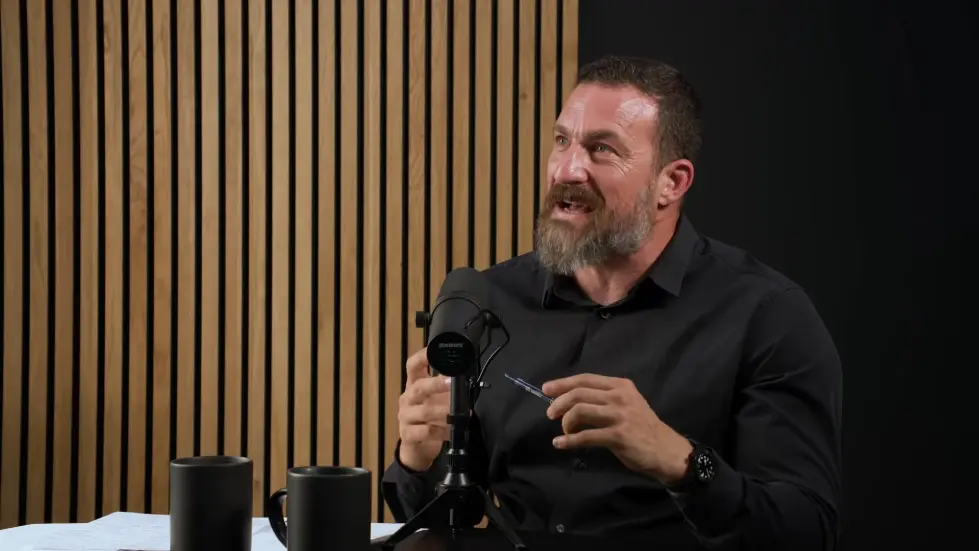
The Role of Non-Verbal Communication
- When interacting with someone, there is a non-verbal communication going on.
- One can internalize some of the positive qualities they see in the person they are interacting with.
- The selection of a mentor is important in finding one's purpose.
- One can rewrite their family history by finding a mentor who embodies the qualities they wish for themselves.
- The mentor-mentee relationship is important in science and career progression.

The Benefits of Choosing the Right Mentor
- Choosing the right mentor is important in finding one's purpose.
- One must connect emotionally and intellectually with the mentor and admire them.
- The mentor should have the positive qualities one wishes for themselves.
- One must be willing to learn from the mentor and emulate them in some way.
- The mentor-mentee relationship is important in science and career progression.

You have read 50% of the summary.
To read the other half, please enter your Name and Email. It's FREE.
You can unsubscribe anytime. By entering your email you agree to our Terms & Conditions and Privacy Policy.
Watch the video on YouTube:
Robert Greene: A Process for Finding & Achieving Your Unique Purpose - YouTube
Related summaries of videos:
- Dr. Karen Parker and Dr. Andrew Huberman: The Causes and Treatments for Autism
- Dr. Robert Lustig and Dr. Andrew Huberman: How Sugar and Processed Foods Impact Your Health
- Rick Rubin and Andrew Huberman: Protocols to Access Creative Energy and Process
- David Goggins and Andrew Huberman: How to Build Immense Inner Strength
- Andrew Huberman: How to Prevent and Treat Colds and Flu
- Dr. Sean Mackey and Dr. Andrew Huberman: Tools to Reduce and Manage Pain
- Dr. Andrew Huberman: AMA #13: Winter Months and Sickness, Wim Hof Breathing and Stressors
- Dr. Adam Grant and Dr. Andrew Huberman: How to Unlock Your Potential, Motivation and Unique Abilities
- Andrew Huberman: A Science-Supported Journaling Protocol to Improve Mental and Physical Health
- Dr. Natalie Crawford and Dr. Andrew Huberman: Female Hormone Health, Fertility and Vitality
- Home
- About us
- Contact
- Book Summaries 0-9
- Book Summaries A
- Book Summaries B
- Book Summaries C
- Book Summaries D
- Book Summaries E
- Book Summaries F
- Book Summaries G
- Book Summaries H
- Book Summaries I
- Book Summaries J
- Book Summaries K
- Book Summaries L
- Book Summaries M
- Book Summaries N
- Book Summaries O
- Book Summaries P
- Book Summaries Q
- Book Summaries R
- Book Summaries S
- Book Summaries T
- Book Summaries U
- Book Summaries V
- Book Summaries W
- Book Summaries X
- Book Summaries Y
- Book Summaries Z
- Jay Shetty Podcast - Summaries
- Tom Bilyeu Impact Theory - Summaries
- Lex Fridman - Summaries
- Diary of a CEO - Summaries
- Alex Hormozi - Summaries
