
Dr. Natalie Crawford and Dr. Andrew Huberman: Female Hormone Health, Fertility and Vitality
Last updated: Nov 14, 2023
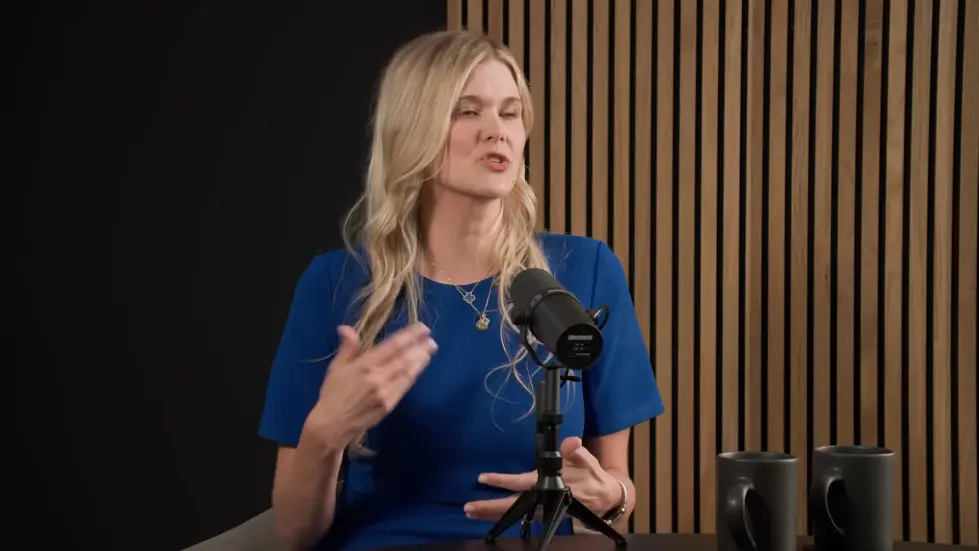
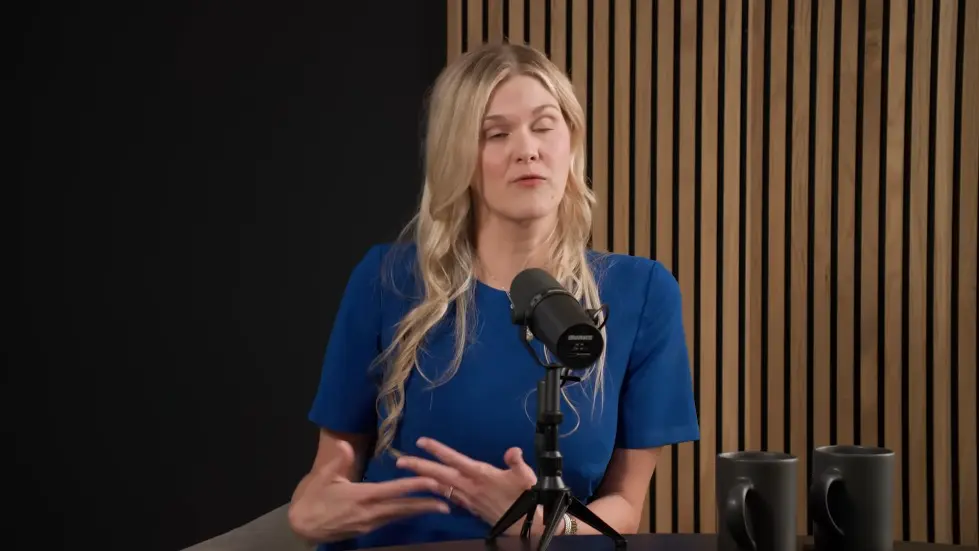
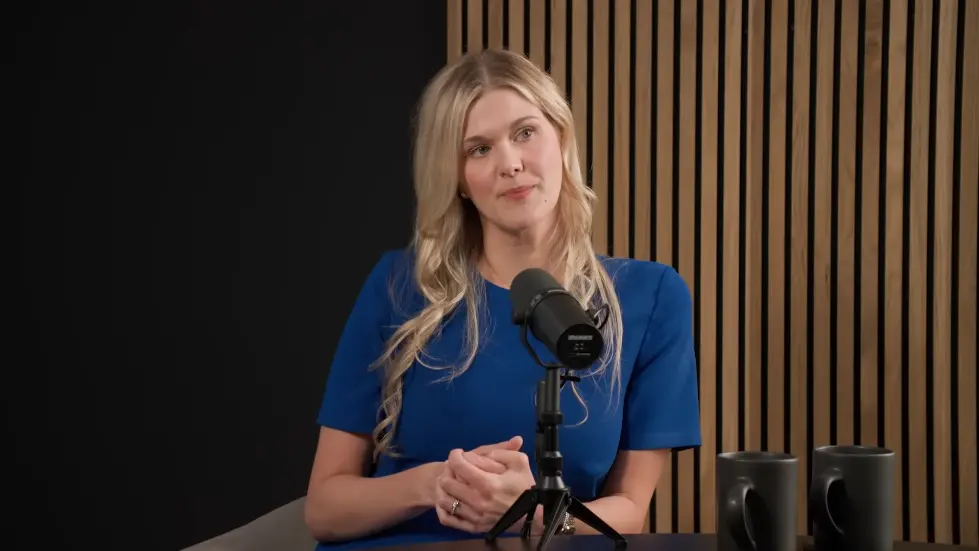
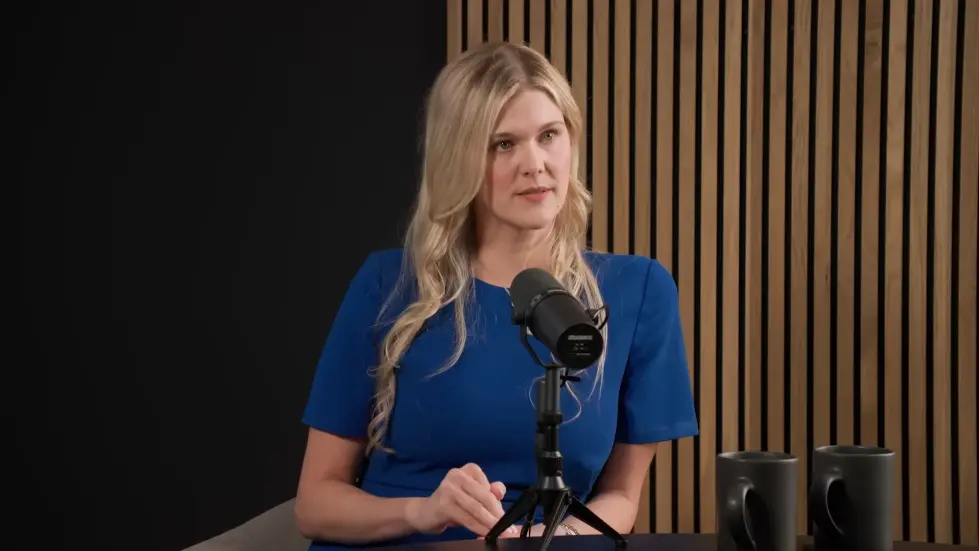
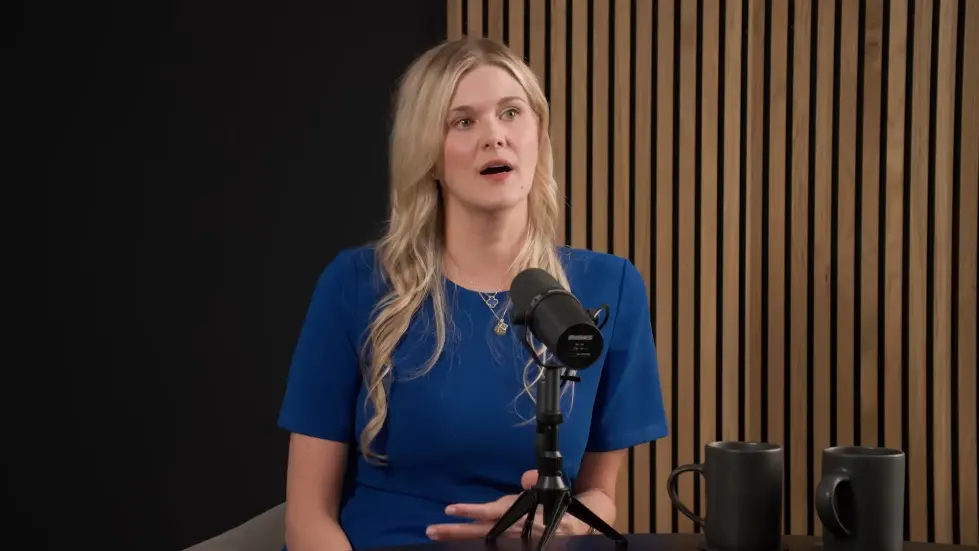
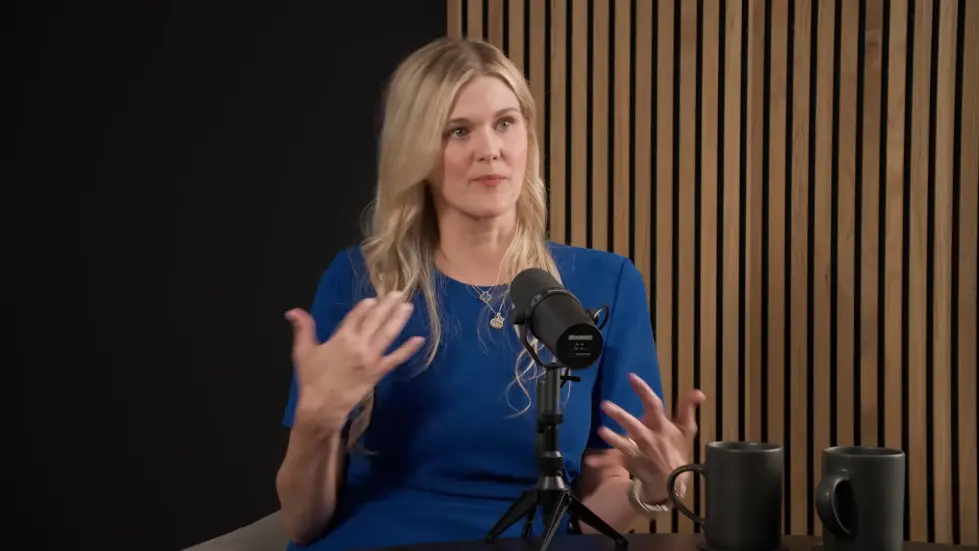
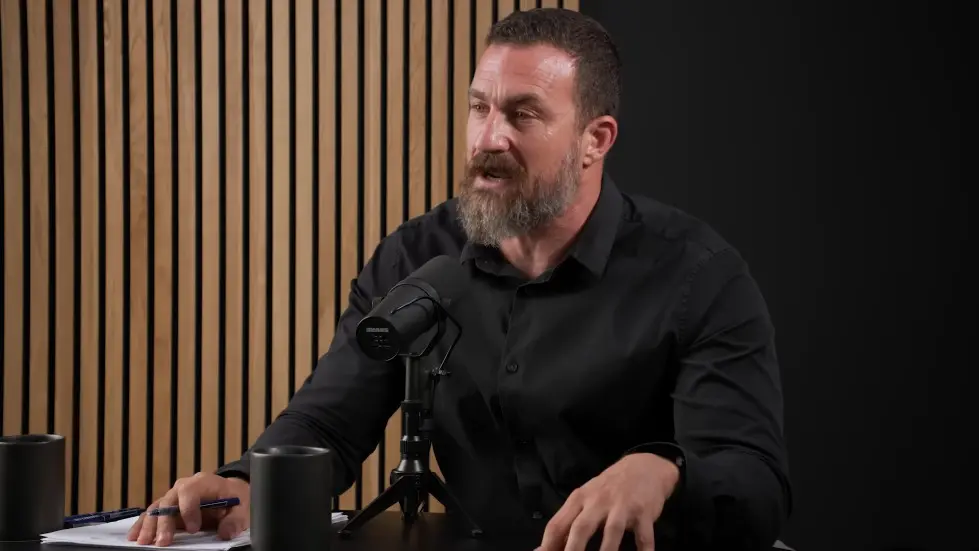
The video is about Dr. Andrew Huberman and Dr. Natalie Crawford discussing female hormone health, fertility, and vitality. She covers topics such as the timing of puberty, birth control, egg count, egg retrieval, and nutrition and supplementation as they relate to fertility and female hormone health. Dr. Crawford provides a master class on these topics and emphasizes the importance of understanding female hormones and fertility for both women and men. The podcast is separate from Dr. Crawford's teaching and research roles at Stanford and is part of Andrew Huberman's effort to bring zero-cost consumer information about science and science-based tools to the general public.
This video by Andrew Huberman was published on Nov 13, 2023.
Video length: 03:27:34.
The video is about Dr. Natalie Crawford discussing female hormone health, fertility, and vitality.
Dr. Crawford is a medical doctor specializing in obstetrics and gynecology, reproductive endocrinology, and infertility, and holds a degree in nutrition science. She runs a clinical practice and is actively involved in public education through social media and her podcast. In the video, Dr. Crawford discusses the timing of puberty and its impact on fertility, birth control methods, and different aspects of female health. She also talks extensively about measuring fertility, egg count, egg retrieval, and nutrition and supplementation as they relate to fertility and pregnancy. Dr. Crawford provides a masterclass on female hormones and fertility, which she believes all women should benefit from, and men would also benefit from listening to. She emphasizes that this podcast is separate from her teaching and research roles at Stanford and is part of her desire to bring zero-cost consumer information about science and science-related tools to the general public.
The video is sponsored by Maui Nei Venison, a nutrient-dense and delicious red meat, and Helix Sleep, which makes mattresses and pillows tailored to individual sleep needs.
- Dr. Natalie Crawford is a medical doctor specializing in Obstetrics and Gynecology, reproductive endocrinology, and infertility.
- She holds a degree in nutrition science and runs a clinical practice.
- Dr. Crawford is actively involved in public education through social media and her podcast.
- The podcast is separate from Dr. Crawford's teaching and research roles at Stanford School of Medicine.
- Dr. Crawford discusses female hormones and their role in fertility, starting from in utero.
- She covers topics such as the timing of puberty and its impact on fertility.
- Dr. Crawford talks about birth control, both hormonal and non-hormonal forms.
- She discusses the relationship between birth control and long-term fertility.
- Dr. Crawford discusses different aspects of female health related to fertility.
Dr. Natalie Crawford: Female Hormone Health, Fertility & Vitality - YouTube

Introduction
- The podcast is about Dr. Natalie Crawford discussing female hormone health, fertility, and vitality.
- Dr. Crawford is a medical doctor specializing in Obstetrics and Gynecology, reproductive endocrinology, and infertility.
- She also holds a degree in nutrition science and runs a clinical practice.
- Dr. Crawford is actively involved in public education through social media and her podcast.
- The podcast is separate from Dr. Crawford's teaching and research roles at Stanford School of Medicine.

Female Hormones and Fertility
- Dr. Crawford discusses female hormones and their role in fertility, starting from in utero.
- She covers topics such as the timing of puberty and its impact on fertility.
- Dr. Crawford also discusses birth control, both hormonal and non-hormonal forms.
- She talks about the relationship between birth control and long-term fertility.
- Dr. Crawford discusses different aspects of female health related to fertility.

Measuring Fertility
- Dr. Crawford talks extensively about measuring fertility, including egg count.
- She also discusses egg retrieval, AKA freezing one's eggs.
- Dr. Crawford talks about invitro fertilization and its role in fertility treatment.

Dr. Natalie Crawford: Female Hormone Health, Fertility & Vitality - YouTube
Nutrition and Supplementation
- Dr. Crawford takes a deep dive into the importance of nutrition and supplementation as they relate to fertility and female hormone health.
- She discusses the role of Maui Nei venison in providing high-quality protein for optimal nutrition.
- Dr. Crawford talks about the importance of getting approximately one gram of high-quality protein per pound of body weight each day.
- She discusses different ways to get high-quality protein, including Maui Nei venison.

Conclusion
- Dr. Crawford provides a master class on female hormones and fertility that is beneficial for all women.
- Men would also benefit from listening to her discussion on female hormones and fertility.
- The podcast is separate from Dr. Crawford's teaching and research roles at Stanford.
- Dr. Crawford emphasizes the importance of understanding female hormones and fertility for both women and men.
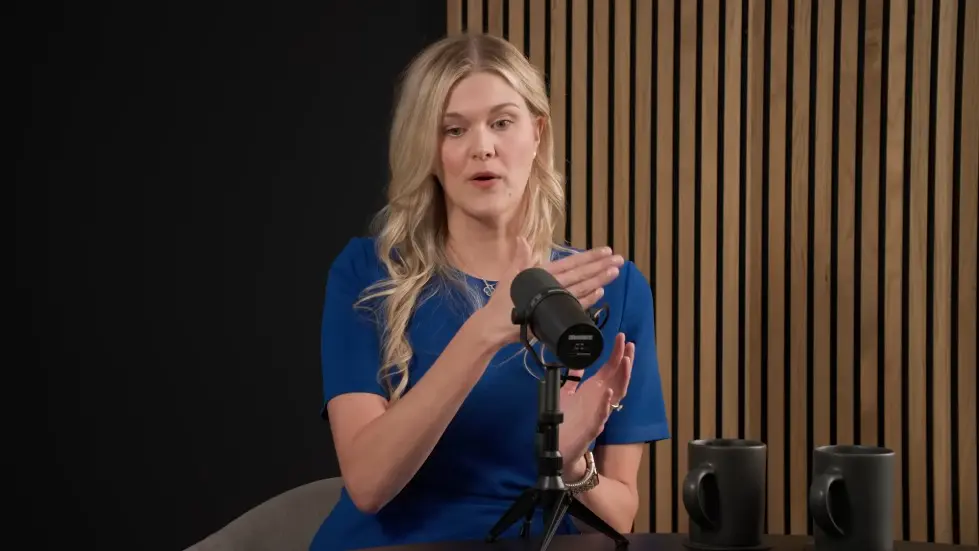
Female Puberty
- Female puberty is a developmental stage that occurs in females, typically around two years before menstruation.
- The development of breasts is the first sign of puberty in females, followed by the development of secondary sex characteristics such as sexual hair and underarm hair.
- Genital hair usually develops before underarm hair, and the development of body odor is also associated with puberty.
- The development of puberty is influenced by hormones, specifically the hypothalamus, which sends signals to the brain to stimulate the production of GnRH and FSH.
- The development of puberty is a normal part of female development and is not necessarily related to fertility.

Fertility
- Fertility is not limited to a discussion about hormones, but also relates to behaviors, nutrition, and supplementation.
- The timing and patterns of puberty can provide hints or directives about a woman's future fertility and how long her fertility might last.
- The number of eggs a woman has at the time of birth is about 6 to 7 million, and she continually loses eggs throughout her life.
- The development of secondary sex characteristics before menstruation is also a normal part of female development.
- The development of fertility is influenced by hormones, specifically the hypothalamus, which sends signals to the brain to stimulate the production of GnRH and FSH.

Male Fertility and Hormones
- Male fertility and hormones are also related to fertility, although the focus of the discussion is primarily on female fertility.
- The development of sexual hair and underarm hair in males is also a normal part of puberty.
- The development of body odor is also associated with puberty in males.
- The development of fertility in males is influenced by hormones, specifically the hypothalamus, which sends signals to the brain to stimulate the production of GnRH and FSH.
- The development of fertility in males is also influenced by other factors such as nutrition and supplementation.

The Effects of Puberty on Girls
- Puberty can be stimulated or accelerated by the odors of others.
- There is mild evidence that toxins and scents can disrupt the endocrine system and accelerate the onset of puberty.
- Girls in the United States and Northern Europe are starting menarche (the onset of menstruation) at an average age of 10 to 11 years old, completing by 13 to 14 years old.
- This shift in the age of menarche is likely due to exposure to toxins and scents that disrupt the endocrine system.
- Early puberty can lead to a reduction in final adult height as well as a truncated growth spurt.

The Effects of Puberty on Boys
- Early puberty in boys can lead to a truncated growth spurt and a reduction in final adult height.
- The growth spurt in boys typically occurs after the onset of puberty.
- Estrogen is involved in the process of puberty in both boys and girls.
- The final height of a person is largely determined by the age at which they start menarche.
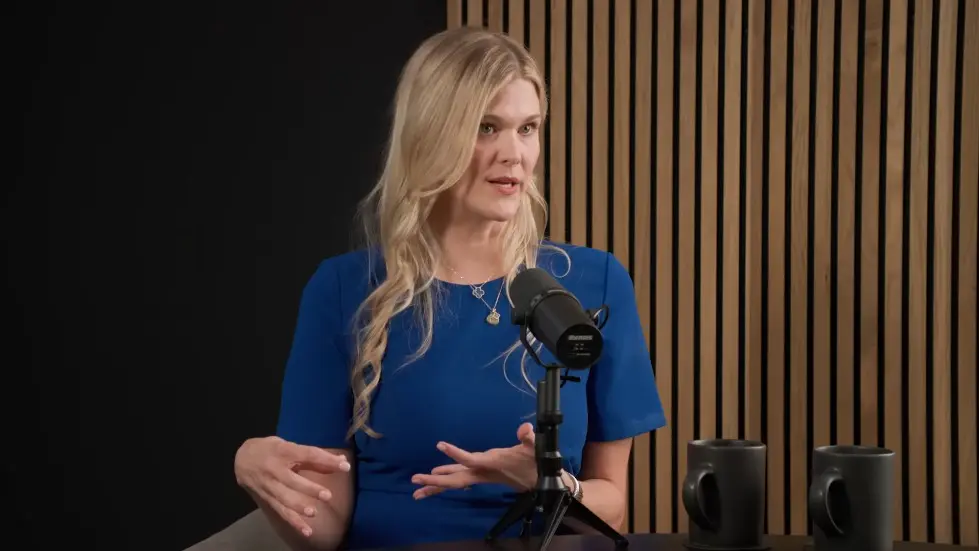
The Effects of Early Menarche on Fertility
- Early menarche does not necessarily lead to a shutdown of fertility.
- The age at which a person starts menarche does not impact their reproductive lifespan.
- The loss of eggs occurs every month, regardless of when menarche starts.
- The eggs are constantly being deployed from early embryonic development, and ovulation is a distinct step in the process.

Potential Egg Harvest
- Some people believe that egg harvesting can reduce the total number of eggs.
- However, this is not the case as eggs are just being accessed from outside the body.
- Eggs are not being created or stimulated to grow.
- Egg harvesting does not cause harm to future fertility.
- Egg harvesting is a common practice for IVF and embryogenesis in a dish.
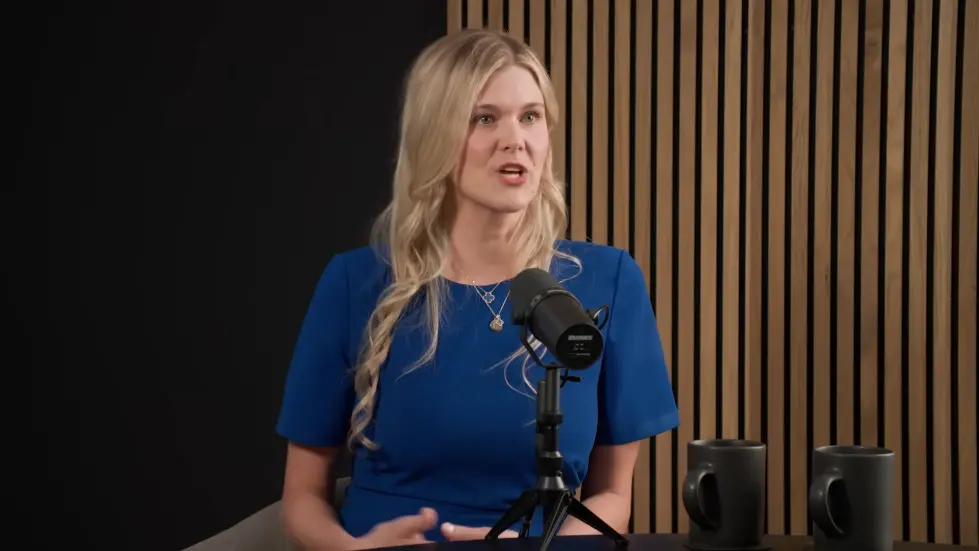
IVF Process
- IVF is not about stimulating hyper-release or excessive release of eggs.
- IVF is about stimulating the growth of eggs that have been released so they can be frozen for later use.
- Hormones like FSH and LH are used to stimulate egg growth.
- Medications are used to manipulate the natural process of egg growth.
- IVF is not about diminishing fertility as eggs are not being pulled from the body.

Endocrine Disruptors
- Some people believe that endocrine disruptors like evening primrose oil can cause precocious breast development in males.
- Exposure to endocrine disruptors can increase the frequency or degree of breast development in males.
- Young girls can also undergo precocious or accelerated puberty through exposure to endocrine disruptors.
- It is important to differentiate that secondary sex characteristics are from estrogen but not puberty being initiated.
- Taking exposure to endocrine disruptors like evening primrose oil in a male does not cause him to start puberty.
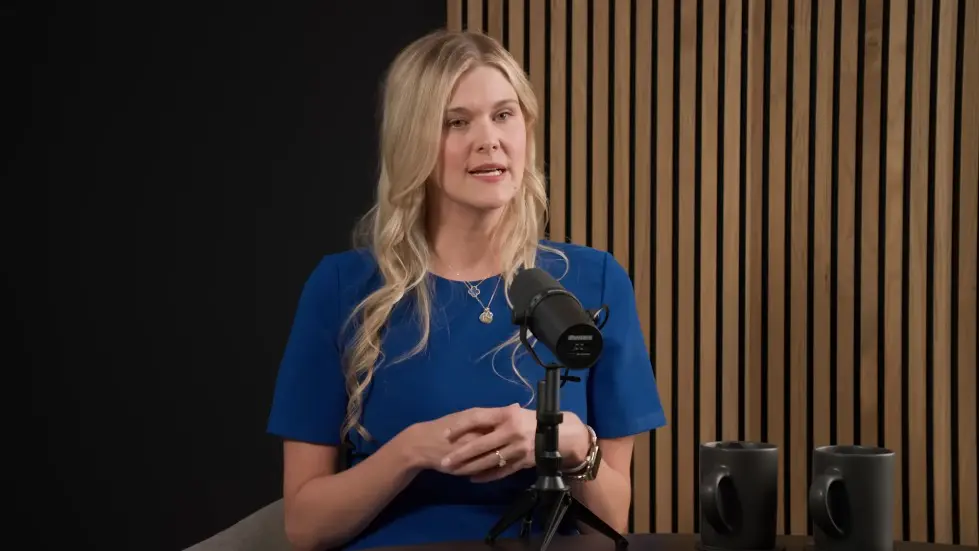
Ovarian Reserve
- The Vault, or ovaries, are most susceptible to whatever the mother does during pregnancy.
- Epigenetic changes during pregnancy can affect the ovarian reserve of the child.
- Ovarian reserve is the number of eggs that a woman has available for fertilization.
- The number of eggs in the Vault is determined by genetics and environmental factors.
- It is important to understand the relationship between maternal health and ovarian reserve in children.

Fetal Development and Reproductive Health
- Fetal development is important for reproductive health.
- Hormones during puberty can activate growth of sex organs and brain areas responsible for different things.
- Male fetal development has parallels to early organizing effects of hormones like dihydrotestosterone.
- Our reproductive health begins prior to conception, and is dependent on both parents.
- Fetal development is going to be important for reproductive health.

Lavender Tea Tree Oil and Evening Primrose Oil
- Evening primrose oil can bind estrogen receptors or mimic estrogen-like effects.
- Tea tree oil can also bind estrogen receptors or mimic estrogen-like effects.
- Aromas from these oils can also have effects on the body.
- People should be aware of the potential effects of these oils on the body.
- Using unscented products, especially with children, can help reduce exposure to these oils.

Chemicals and Toxins in Everyday Products
- Constant exposure to chemicals and toxins in everyday products can have different effects than a one-time hand washing in a bathroom.
- Choosing what you put in and on your body on a regular basis can set the tone for certain physiological changes.
- Using unscented products, especially with children, can help reduce exposure to these chemicals and toxins.
- Recommendations for laundry detergent, shampoo, conditioner, soaps, and oils can help reduce exposure to these chemicals and toxins.
- Baby skin is smooth and permeable, so it's important to be aware of what babies are exposed to.

Cloth Diapers versus Non-Cloth Diapers
- Baby skin is smooth and permeable, making it more susceptible to exposure to chemicals and toxins.
- Regular diapers versus cloth diapers is a personal preference, and there hasn't been a study shown that one is an exposure for a baby that someone needs to be worried about.
- Companies now promote and talk about the benefits of using cloth diapers.
- It's important to be aware of what babies are exposed to, regardless of the type of diaper used.
- Washing cloth diapers with a detergent that contains certain chemicals can also expose babies to these chemicals.
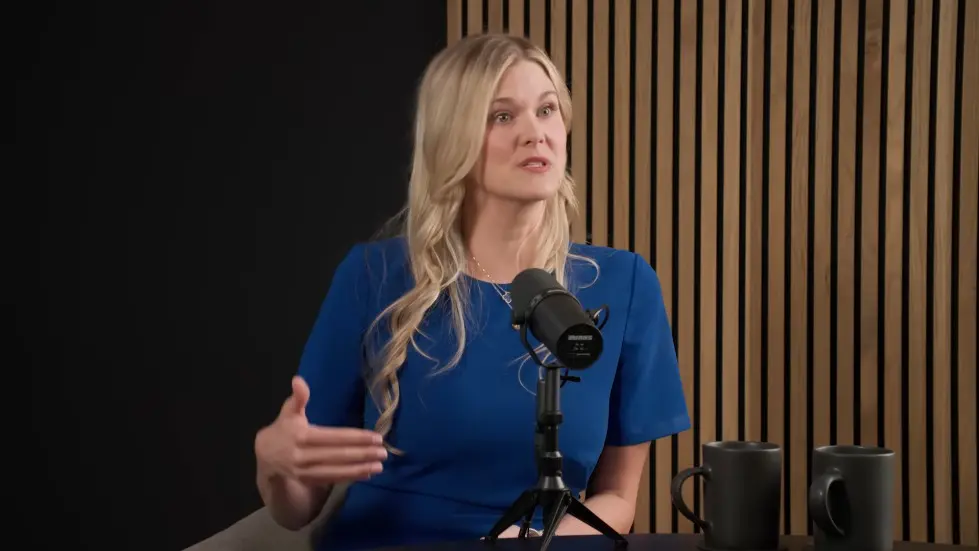
Section 1: Diapers and Toxins
- The speaker discusses the importance of decreasing toxin exposure to children, especially in traditional diapers.
- There is evidence that breast milk exposure in the first 6 months of a child's life can help with immune system development.
- Poor immune development can lead to higher risk of autoimmune disease later in life, including leaky gut and some diseases correlated with fertility.
- Breastfeeding is protective against some diseases, but it does not guarantee fertility.

Section 2: Puberty and Menstruation
- The speaker discusses the relationship between puberty and menstruation in females.
- The normal duration of a menstruation cycle can vary between 21 and 35 days, with day one being the start of bleeding.
- Spotting before full flow can be normal as the body adjusts to the drop in progesterone.
- The follicular phase of the menstrual cycle is the estrogen-dominant phase where women feel good due to the relationship between estrogen and other neuromodulators like dopamine and serotonin.

Section 3: Estrogen and Mood
- The speaker discusses the correlation between low estrogen levels and depression in women.
- Estrogen is protective against things like dementia, and women in the estrogen-dominant phase of their menstrual cycle tend to be more energetic and focused.
- When estrogen levels are high, the brain's clue is that a mature egg is present and can send out a surge of LH or luteinizing hormone, leading to ovulation.
- The ludal phase of the menstrual cycle occurs after ovulation, and the corpus ludum is the body that sheds the egg before ovulation.

Section 4: Fertility and Hormones
- The speaker discusses the importance of understanding female hormones and fertility for both women and men.
- Breastfeeding is protective against some diseases, but it does not guarantee fertility.
- There is an in-between correlation between breastfeeding and fertility, with some diseases that breastfeeding is protective against being correlated with fertility later in life.
- The speaker emphasizes that while breastfeeding is protective against some diseases, it does not guarantee fertility.
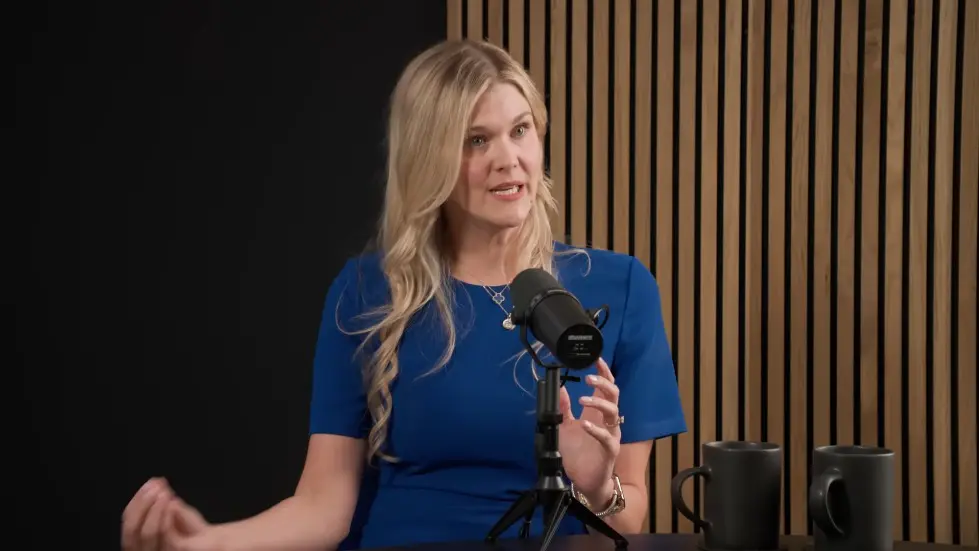
The Corpus Luteum and Hormones
- The Corpus Luteum is a gland that produces progesterone, which is essential for life.
- Progesterone opens and closes the implantation window, allowing for fertilization and implantation of an egg.
- During the ludal phase, progesterone levels are high and the body is preparing for potential implantation.
- If pregnancy does not occur, the Corpus Luteum dies and the body begins a new cycle.
- Estrogen and progesterone levels drop, leading to bleeding and the start of a new cycle.
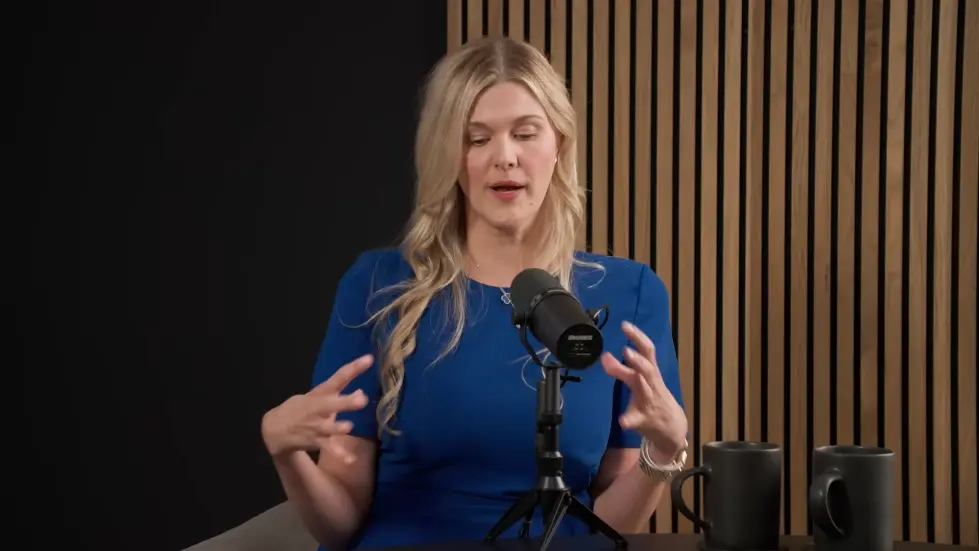
Follicular Phase and Menstrual Cycle
- The follicular phase can vary in length from person to person.
- For one individual, if their menstrual cycle is working correctly, it should be relatively constant.
- If periods are every 24 days but have always been every 24 to 25 days, it is not concerning.
- If periods are every 33 days but have always been every 33 days, it is not concerning.
- Irregularly regular periods can be a sign of hormonal imbalances or other issues.
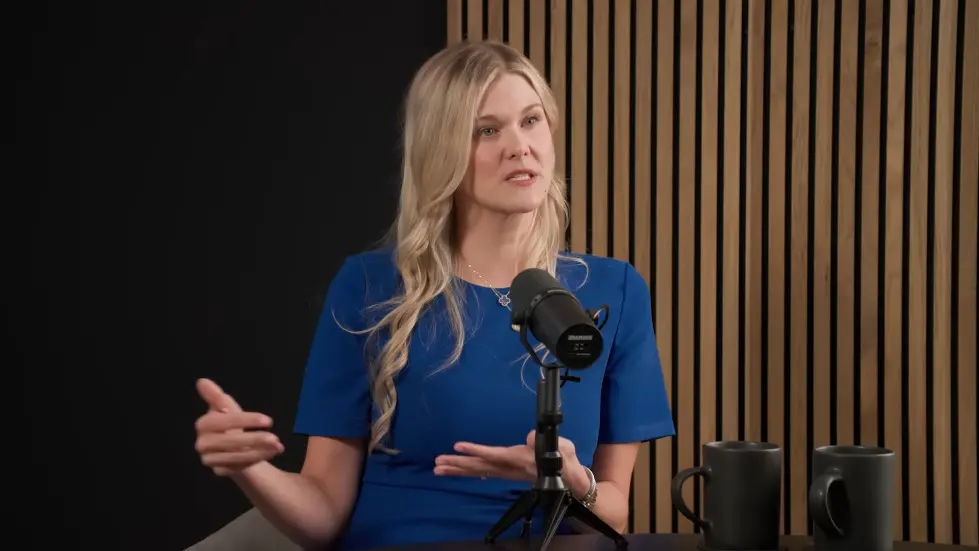
Ovarian Reserve and Hormonal Signals
- A shortening of the menstrual cycle can be a sign of decreased ovarian reserve.
- Fewer eggs in the vault can lead to shorter, faster ovulation cycles.
- If a person's hormones are communicating normally, their period should be less than 35 days apart.
- Looking at a calendar and predicting when a period is coming with accuracy within a couple of days is a sign of normal hormonal signals.
- One of the biggest factors that can affect hormonal signals is nutrition.

Quality Nutrition and Hormones
- High-quality nutrition is important for overall health, including mental health and cognitive functioning.
- Getting enough vitamins, minerals, probiotics, and prebiotics from unprocessed or minimally processed foods is essential for optimal nutrition.
- One challenge is getting enough servings of high-quality fruits and vegetables per day, as well as fiber and probiotics that often accompany those foods.
- Drinking ag1 can help improve overall nutrition and support hormonal balance.
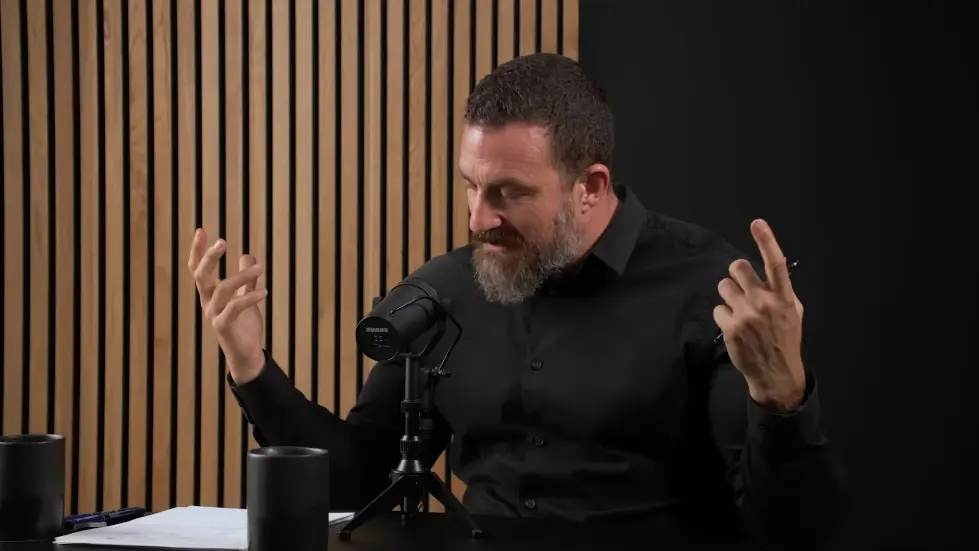
Female Hormone Health and Fertility
- The video is about Dr. Natalie Crawford discussing female hormone health, fertility, and vitality.
- Dr. Crawford covers topics such as the timing of puberty, birth control, egg count, egg retrieval, and nutrition and supplementation as they relate to fertility and female hormone health.
- Dr. Crawford provides a master class on these topics and emphasizes the importance of understanding female hormones and fertility for both women and men.
- The video is separate from Dr. Crawford's teaching and research roles at Stanford and is part of Andrew Huberman's effort to bring zero-cost consumer information about science and science-based tools to the general public.
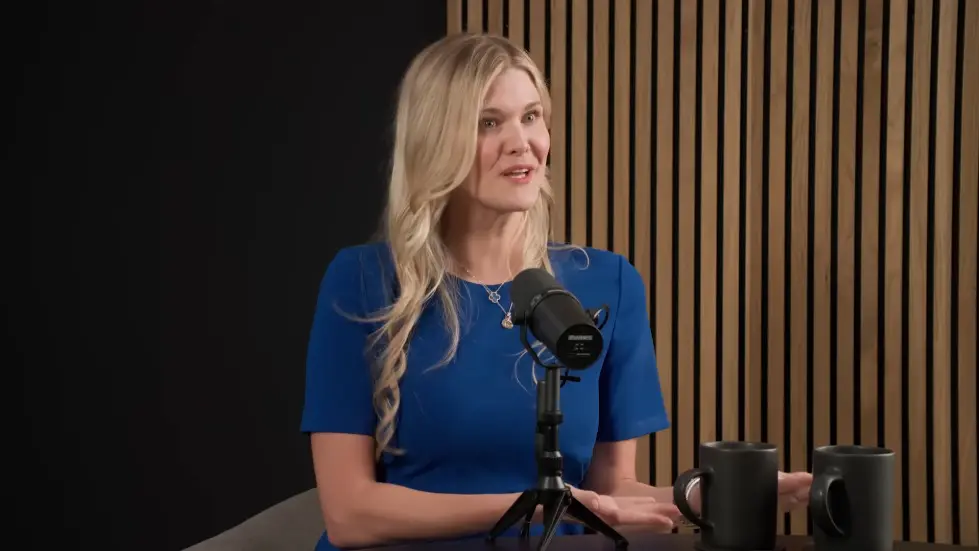
The Menstrual Cycle
- The video discusses the menstrual cycle, also known as the ovulatory cycle.
- The cycle has two phases: the follicular phase and the ludal phase.
- The follicular phase can vary in duration, while the ludal phase tends to be fixed about 14 days.
- Estrogen primes progesterone, which is the basic description of the ovulatory cycle.
- The sequence of events of when you're estrogen dominant and progesterone deficient, which is the folicular phase, is discussed.

Birth Control and Fertility
- The video discusses birth control and its potential impact on fertility.
- Hormone-based birth controls, such as the pill, can suppress ovulation and decrease the number of eggs taken from the ovary.
- The pill does not change the release of eggs out of the ovary, but it prevents FSH from coming from the brain, which leads to the group of eggs dying.
- The birth control pills, especially if taken continuously or for a prolonged period of time, can impair the process and harm fertility.
- It is important to note that birth control does not change the release of eggs out of the ovary, and the number of eggs taken from the ovary is not affected.
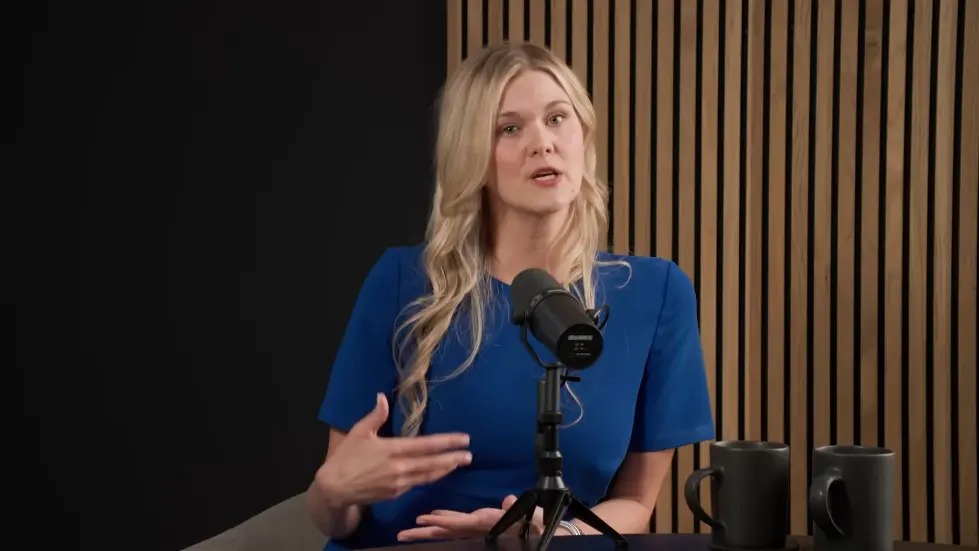
Antimullerian Hormone (AMH)
- AMH is made from the granulosis cells that surround every follicle in the ovary.
- More eggs in the vault lead to higher AMH levels, and fewer eggs in the vault lead to lower AMH levels.
- AMH levels can be affected by birth control pills, which decrease the activity of the granulosis cells.
- Low AMH levels can be a sign of suppressed ovarian reserve.
- AMH levels can be reversible, but it can take some time for them to return to normal after stopping the birth control pill.

Ovarian Reserve
- Ovarian reserve refers to the number of eggs a woman has in her vault.
- Low ovarian reserve can lead to infertility.
- AMH levels can be used to assess ovarian reserve.
- Prolonged use of birth control pills can potentially improve fertility in women with underlying medical conditions.
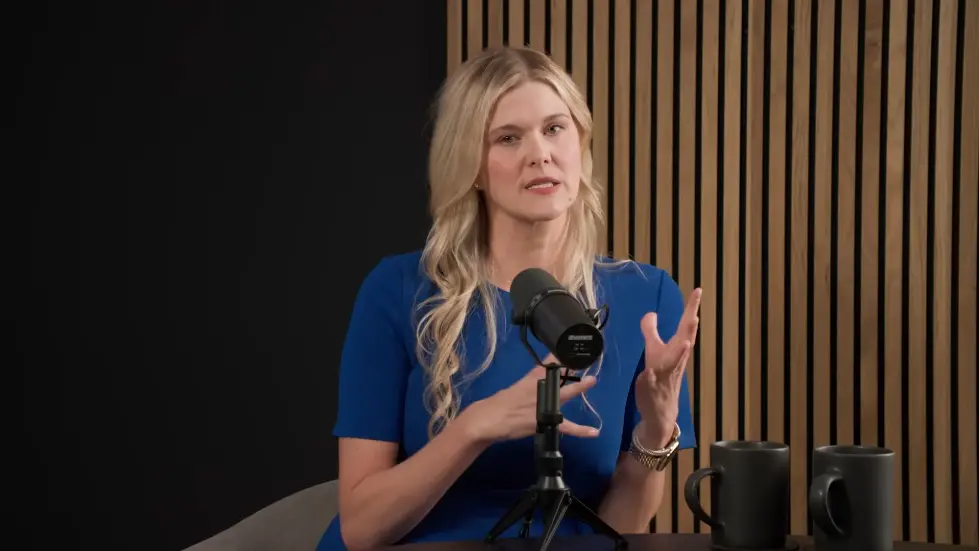
Hormone Testing
- Hormone testing can be affected by birth control pills, which can suppress certain hormones.
- It is important to distinguish between hormone levels that are naturally low and those that are suppressed by birth control pills.
- Studies on the effects of birth control pills on fertility are complicated by selection bias.
- Hormone testing can be used to diagnose and monitor certain medical conditions.

Spermatogenesis
- Spermatogenesis is the process of sperm production in men.
- Exposures that stop the production of FSH and LH can inhibit sperm development and creation.
- Testosterone production and sperm production go hand in hand.
- Prolonged exposure to testosterone can make it harder to get sperm production to come back.
- In 25% of people, prolonged testosterone exposure may not allow sperm production to return.
Section 1: Introduction
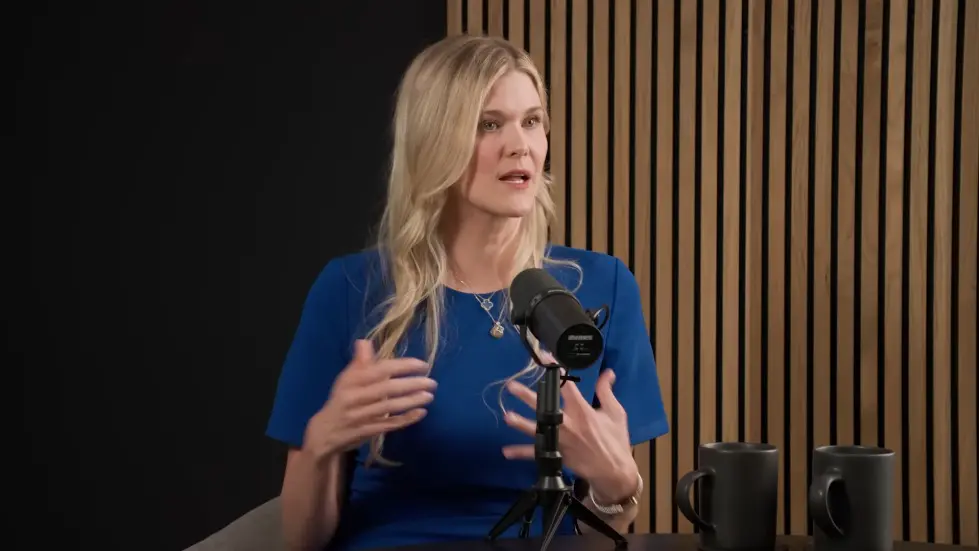
- The video is about Dr. Natalie Crawford discussing female hormone health, fertility, and vitality.
- Dr. Crawford covers topics such as the timing of puberty, birth control, egg count, egg retrieval, and nutrition and supplementation as they relate to fertility and female hormone health.
- The podcast is separate from Dr. Crawford's teaching and research roles at Stanford.
- Andrew Huberman's effort to bring zero-cost consumer information about science and science-based tools to the general public is the context of the video.
Section 2: Heat Exposure and Ovulation
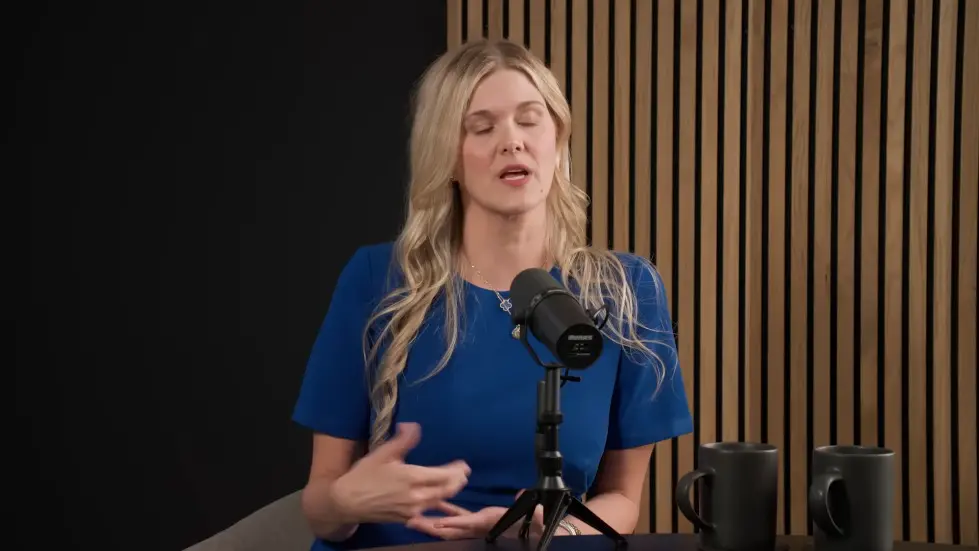
- There is no evidence that heat exposure, such as saunas or hot tubs, harms ovulation or the ovaries in any way.
- The body does heat up during ovulation, but this does not make any difference in the ovulatory period or the ovaries.
- The testes are more susceptible to heat changes because they are supposed to be at a cooler temperature, outside the body.
- The ovaries being inside the body do not heat up in the same way as the testes, so they are not as sensitive to heat changes.

Section 3: Pregnancy and Periods
- It is not true that women can get pregnant even while they have their period.
- Sperm can live in the reproductive tract for much longer than the egg does, so sperm can potentially be right there when the egg is in route.
- The most fertile time is when sperm meets egg, which is on the day of ovulation or the day after the egg lives in the fallopian tube.
- The egg can only be fertilized for 24 hours while it is in the fallopian tube, and people with very regular cycles or who know when ovulation is happening can target the highest chance of conceiving on the two top hitting days.

Section 4: Estrogen and Libido
- Higher estrogen levels trigger the LH surge, which is necessary for ovulation and getting pregnant.
- Estrogen also increases libido, so women tend to have higher libido right before and at the ovulatory time period.
- Some people can sense the deployment of the egg and ovulation, but this is not an imaginary thing.
- There is no evidence that women have an internal sense for ovulation, but men generally know when their sperm are leaving their body.

Interoception and Ovulation
- Interoception refers to the ability to sense internal bodily sensations.
- Ovulation is the rupture of a cyst and the release of an egg, along with follicular fluid, into the paranal cavity.
- Some women can feel ovulatory pain, known as middle schmerz, which is a crampy pain that occurs in the middle of the cycle.
- Middle schmerz is a normal part of the ovulatory process and is not related to fertility issues.
Fertility and Sexual Intercourse
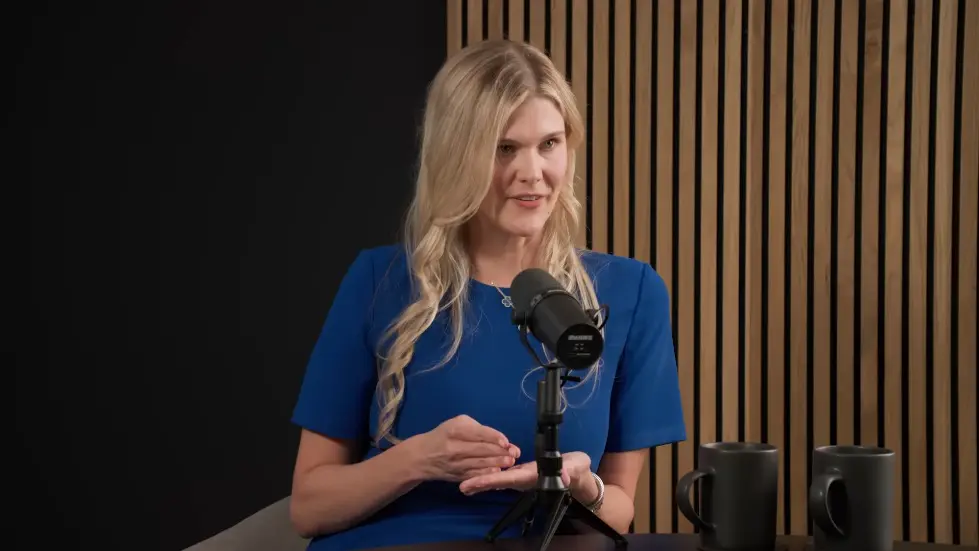
- Sexual intercourse should not be decreased to increase the chances of fertility.
- Daily intercourse is associated with the highest chance of fertility, especially during the fertile window.
- For couples who are not sexually active every day, it is recommended to have intercourse every other day throughout the fertile window.
- Saving up sperm for two or three days does not increase the chances of getting pregnant.
Sperm Exposure and Fertility
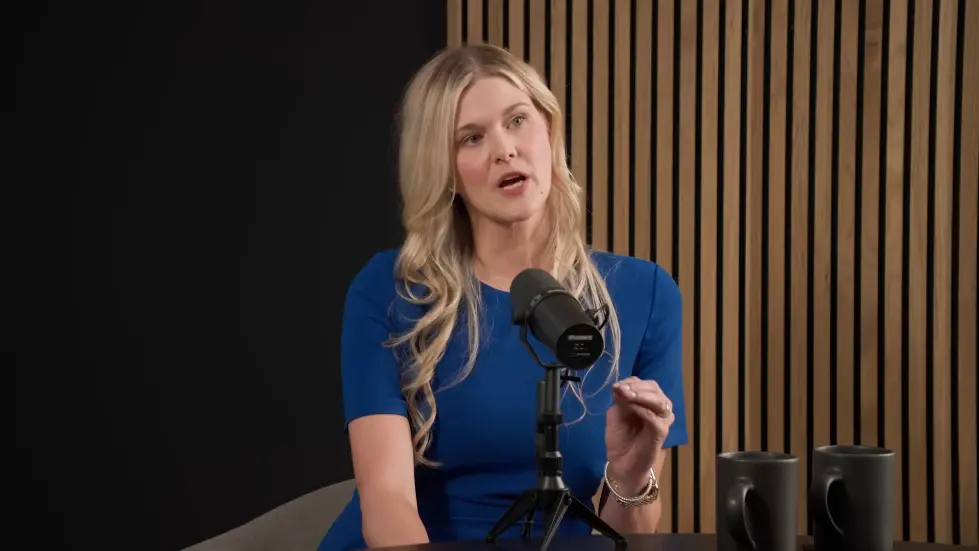
- Sperm exposure is important for fertility, especially during the fertile window.
- Sperm exposure can be increased by having intercourse every other day leading up to ovulation.
- Sperm exposure can also be increased by donating or freezing sperm or using IVF.
- Sperm exposure can be affected by the timing of intercourse and the frequency of ejaculation.
Sperm Quality and Fertility
- Sperm quality is important for fertility, especially for IVF and IUI treatments.
- Sperm quality can be affected by the timing of intercourse and the frequency of ejaculation.
- Sperm quality can also be affected by other factors, such as age, lifestyle, and medical conditions.
- Sperm quality can be improved through lifestyle changes, such as diet and exercise, and medical treatments.

Introduction
- The speaker discusses the topic of egg quality and sperm quality in relation to fertility and female hormone health.
- They touch on the impact of cannabis and alcohol on egg and sperm quality.
- The speaker mentions that they will be discussing the effects of drugs of abuse such as cocaine, amphetamines, and methamphetamines on fertility and hormone health.

Cannabis and Egg Quality
- The speaker mentions that 15% of American women surveyed in one study reported consuming or smoking cannabis during pregnancy.
- The speaker expresses concern about the potential harm of cannabis to fetal development.
- The speaker notes that there is a lack of data on the effects of vaping on egg quality.
- The speaker mentions that vaping has been associated with poor success rates in IVF cycles.

Drugs of Abuse and Fertility
- The speaker notes that drugs of abuse such as cocaine, amphetamines, and methamphetamines can create stress for the body and potentially harm fertility.
- The speaker mentions that alcohol can also impact fertility and hormone health.

Conclusion
- The speaker emphasizes the importance of understanding the impact of drugs of abuse on fertility and hormone health.
- The speaker encourages further research on the effects of cannabis and vaping on fertility and hormone health.

Section 1: Edible or Smoked Substances and Fertility
- Smoking and alcohol consumption can negatively impact egg and sperm quality, which can lower the success of fertility treatments and increase the risk of miscarriage.
- It is not impossible to conceive while smoking or consuming alcohol, but the quality of the baby will not be as high as if the mother did not smoke or consume alcohol.
- People make choices in anticipation of future pregnancy to optimize their chances of success.
- Infertility is becoming more common, and it is not always possible to predict who will be affected.
- It is important to avoid smoking and consuming alcohol during pregnancy to optimize fertility and the quality of the baby.

Section 2: Age and Fertility
- The odds of getting pregnant at age 43 are less than 3% per month.
- Every person is different, and some people will still get pregnant at an older age.
- It is important to note that alcohol consumption can impact fertility, even in moderate amounts.
- Chronic exposure to alcohol can cause inflammation, which can negatively impact egg and sperm quality.
- It is important to limit alcohol consumption and avoid it altogether once pregnant.

Section 3: Inflammation and Fertility
- Chronic inflammation can negatively impact egg and sperm quality.
- Alcohol consumption can cause inflammation in the body, which can negatively impact fertility.
- It is important to limit alcohol consumption and avoid it altogether once pregnant.
- Chronic exposure to alcohol can cause inflammation, which can negatively impact egg and sperm quality.
- It is important to limit alcohol consumption and avoid it altogether once pregnant.
Section 4: Nutrition and Supplementation for Fertility
- It is important to get regular blood work done to assess factors that impact immediate and long-term health.
- Inside Tracker is a personalized nutrition platform that analyzes data from blood and DNA to help people better understand their body and reach their health goals.
- Inside Tracker makes it easy to look at hormone levels, metabolic factors, and lipids and assess what behavioral and nutritional supplementation interventions might be useful.
- Inside Tracker's ultimate plan now includes three new hormone markers that are critical to measure during a woman's reproductive and menopausal years.
- It is important to consider supplementation and other interventions to bring hormone levels into optimal ranges for fertility and overall health.
IUDs and Female Hormones
- IUDs are contraceptive devices that can be implanted in the uterus to prevent pregnancy.
- The IUD works by thinning out the uterine lining, which is necessary for implantation of an embryo.
- Progesterone-based IUDs, such as Marena, Kina, and Liletta, work by compacting the uterine lining to prepare it for implantation in a normal cycle.
- Constant exposure to progesterone can prevent the uterine lining from growing and can lead to a very thin lining.
- Prolonged exposure to progesterone can cause atrophy of the endometrium, leading to amenorrhea (lack of menstrual periods) even if ovulation is still occurring.
Removing IUDs
- If a woman wants to get pregnant, she should remove the IUD 3 to 6 months before she wants to conceive.
- If a woman is still ovulating and having a period on an IUD, removing the IUD may not be necessary.
- If a woman has amenorrhea with an IUD, removing the IUD for a period of time before getting pregnant is necessary to allow the body to grow a thicker lining.
- If a woman has been using a progesterone-based IUD for 5 to 7 years and has amenorrhea, removing the IUD may take several months to allow the endometrium to grow back.
- If a woman has been using a high-dose progesterone contraceptive, such as Depo-Provera, removing the IUD may take up to a year and a half to two years to allow the high level of progesterone to dissipate.

Other Contraceptive Options
- Depo-Provera is a high-dose progesterone contraceptive that can prevent ovulation for up to 18 months.
- If a woman has been using Depo-Provera for 18 months and has amenorrhea, she may need to wait up to a year and a half to two years before she can conceive.
- If a woman has been using a progesterone-based IUD for 5 to 7 years and has amenorrhea, she may need to wait several months before she can conceive.
- If a woman has been using a progesterone-based IUD for 5 to 7 years and has amenorrhea, she may need to wait several months before she can conceive.
- If a woman has been using a progesterone-based IUD for 5 to 7 years and has amenorrhea, she may need to wait several months before she can conceive.

Section 1: Negative Consequences of Birth Control
- The speaker has not mentioned any negative consequences of birth control in the video.
- The speaker emphasizes that it is a controversial topic and that there are many different opinions on it.
- The speaker mentions that one of the more popular studies discussing birth control and female hormones is one that describes how women rate the faces of men as either more or less attractive.
- The speaker mentions that when women were on oral contraception, they had a tendency to choose male faces with more masculine features.
- The speaker mentions that birth control can increase rates of certain cancers, decrease rates of certain cancers, and lead to disruptions in bodily function or health.

Section 2: Birth Control and Partner Choice
- The speaker mentions that birth control can throw off partner choice.
- The speaker mentions that studies like this are not always well-controlled.
- The speaker mentions that there is no evidence that birth control oral estrogen progestin-based birth control just to keep it specific can increase rates of certain cancers.
- The speaker mentions that birth control can decrease rates of certain cancers.
- The speaker mentions that birth control can lead to disruptions in bodily function or health.

Section 3: Birth Control and Risk of Pregnancy
- The speaker mentions that there is a risk of getting pregnant when taking birth control.
- The speaker mentions that there is a risk of taking birth control.
- The speaker mentions that there is a lot of informed consent and people who are taking the birth control pill without being educated about all of their options.
- The speaker mentions that the estrogen and progesterone in birth control pills are not the same as those made by the ovaries.
- The speaker mentions that there is a lot of variation in the amount of estrogen and progesterone in birth control pills.

Section 4: Birth Control and Vaginal Health
- The speaker mentions that birth control can affect vaginal health.
- The speaker mentions that birth control can cause atrophic vaginitis.
- The speaker mentions that birth control can cause increased sensitivity, decreased elasticity, and discomfort with intercourse.
- The speaker mentions that birth control can increase the risk of yeast infections.
- The speaker mentions that birth control can be life-saving for some people.
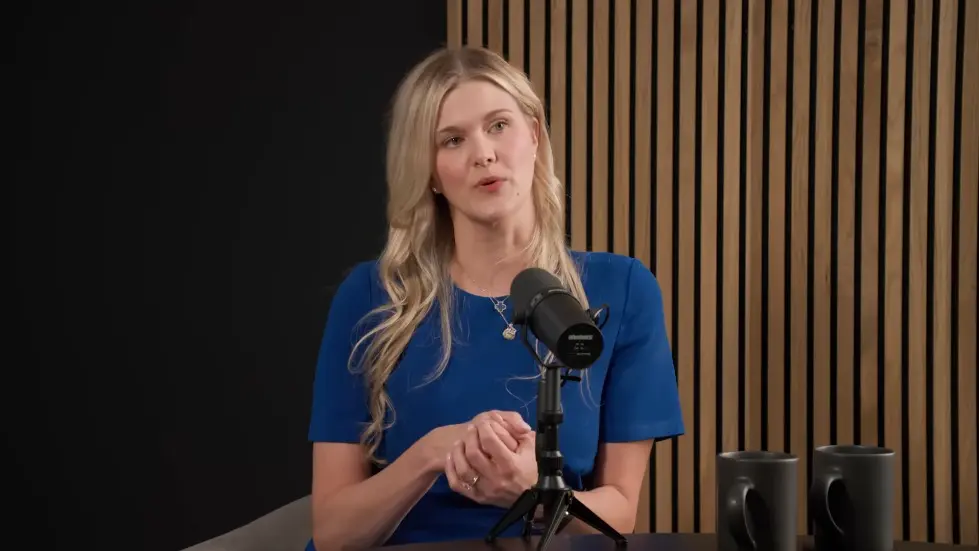
Section 1: Benefits of Birth Control Pill
- The birth control pill can be beneficial for some people when it comes to mental health.
- It can prevent heavy periods and anemia instead of getting blood transfusions.
- Taking the birth control pill might prevent the lining of the uterus from growing so much that they bleed so much.
- It can be beneficial for people who have fibroids.
- It can be beneficial for people with PCOS (polycystic ovary syndrome).
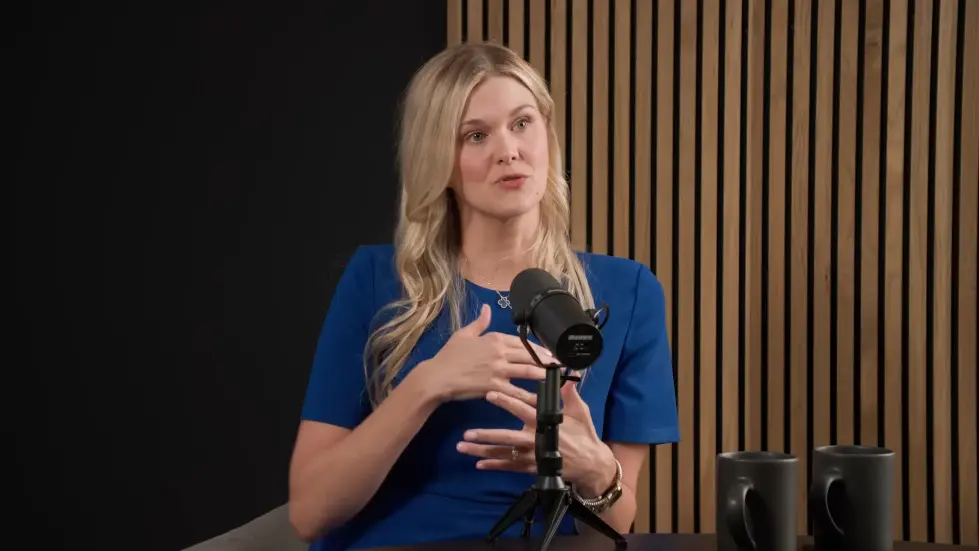
Section 2: Hormonal Changes in PCOS
- PCOS is a condition where a lot of eggs are produced in the ovary, leading to a diluted FSH signal and lack of ovulation.
- The ovary becomes bored when it can't make estrogen because the egg is not growing, leading to androgenization of other tissues like body hair, deepening of voice, body hair, and temporal balding.
- PCOS leads to an increase in body composition towards a male level, leading to further insulin resistance and metabolic syndrome.
- In PCOS, the body tends to get more abdominal fat distribution, which leads to further insulin resistance and metabolic syndrome.
- In PCOS, the body tends to get more body fat distribution, which leads to further insulin resistance and metabolic syndrome.
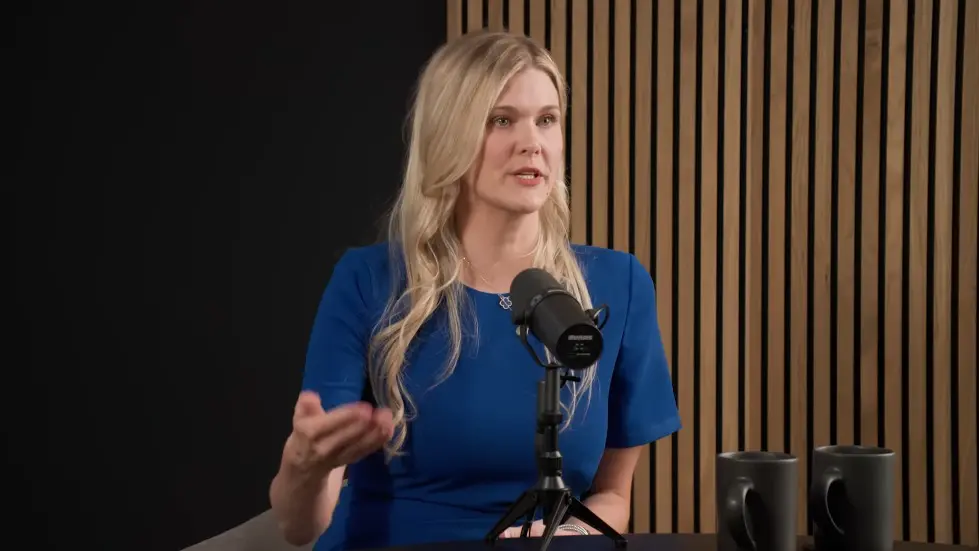
Section 3: Estrogen Exposure and Cancer
- In PCOS, the body tends to have constant estrogen exposure, leading to an increase in endometrial cancer.
- The birth control pill can prevent endometrial cancer by preventing unopposed estrogen situations.
- The birth control pill can drop the incidence of ovarian cancer by more than 90%.
- Ovarian cancer is super hard to diagnose because the inovation to the peritoneal system is poor and there are no outward signs often to late stage disease.
- There is a concern that taking the birth control pill may increase the risk of breast cancer in some people.

Section 4: Misinformation and Education
- Women are not being taught how their bodies work and the pros and cons of the birth control pill.
- The birth control pill is associated with potentially development of things like leaky gut or IBS.
- There is a definite change in your environment when you're on the birth control pill.
- The birth control pill increases the risk of blood clots because of how it's processed in the liver.
- A fair percentage of people have mutations in Factor 5 Leiden, a clotting factor, which can increase the risk of blood clots.

Section 1: Understanding Factor 5 Li
- Factor 5 Li is a genetic mutation that can affect blood clotting.
- It is not recommended to screen for Factor 5 Li when putting someone on birth control.
- It is important to know if someone has Factor 5 Li before taking birth control.
- If someone has Factor 5 Li, they should not take birth control pills.
- Factor 5 Li is an oral pill and its metabolism in the liver is what causes changes in clotting factors.

Section 2: Importance of Screening for Ovarian Reserve
- Screening for ovarian reserve is not recommended even though it is commonly done.
- Screening recommendations come from the likelihood of finding a disease based on the population.
- The government does not pay for healthcare in the US, so guidelines are based on cost-effectiveness.
- There is a cost to doing any kind of test, such as colonoscopy or AMH levels.
- Data is always good, and having information about your body is important for making educated choices.
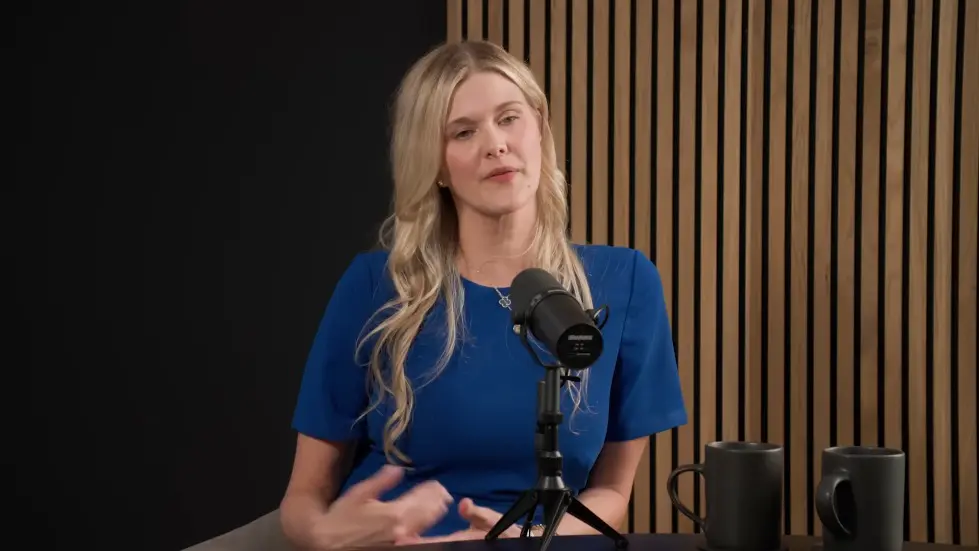
Section 3: Finding a Doctor for Factor 5 Li
- It can be tough to find a doctor who is familiar with Factor 5 Li.
- Physicians follow recommendations based on screening for disease likelihood.
- It can be difficult for individuals to advocate for themselves.
- Paying attention to your body is important for catching early signs of disease.
- Understanding your stool habits and what is normal can help catch early signs of disease.

Section 4: Importance of Understanding Factor 5 Li and Ovarian Reserve
- Understanding Factor 5 Li and ovarian reserve is important for making informed decisions about birth control and healthcare.
- It is important to know if someone has Factor 5 Li before taking birth control pills.
- Screening for ovarian reserve is not recommended, and data is always good.
- Paying attention to your body and understanding your stool habits can help catch early signs of disease.
- It can be tough to find a doctor who is familiar with Factor 5 Li, but it is important to advocate for yourself.

Section 1: Understanding Female Hormones and Fertility
- The speaker discusses the importance of understanding female hormones and fertility for both women and men.
- The speaker emphasizes that female hormones play a crucial role in fertility and that it is important to understand their function and how they affect fertility.
- The speaker discusses the timing of puberty and how it is related to fertility.
- The speaker talks about birth control and how it affects fertility.
- The speaker discusses egg count and how it is related to fertility.
Section 2: Amh and Ultrasound
- The speaker discusses the amh (anti-mullerian hormone) and how it is a blood draw test that measures a woman's ovarian reserve.
- The speaker talks about the ultrasound and how it is a more invasive method of measuring ovarian reserve.
- The speaker discusses the difference between a pelvic exam and an ultrasound and how they are used to measure ovarian reserve.
- The speaker talks about the cost of getting amh levels analyzed and how it can be expensive.
- The speaker discusses the American College of Obstetricians and Gynecologists (ACOG) and how they do not recommend screening for amh levels.

Section 3: Egg Count and Quality
- The speaker discusses the relationship between egg count and quality.
- The speaker talks about the importance of follicle quality and how it can affect fertility.
- The speaker discusses the different factors that can affect follicle quality.
- The speaker talks about the importance of insurance and permission for getting egg count and quality tested.
- The speaker discusses the approximate cost of getting egg count and quality tested.

Section 4: Age and Fertility
- The speaker discusses the relationship between age and fertility.
- The speaker talks about the different factors that can affect fertility in women of different ages.
- The speaker discusses the nonlinear drop off in follicle count in women over the age of 37.
- The speaker talks about the importance of understanding the relationship between age and fertility for both women and men.
- The speaker discusses the importance of understanding the different factors that can affect fertility in women of different ages.
Female Hormone Health and Fertility
- Dr. Natalie Crawford discusses female hormone health, fertility, and vitality.
- She covers topics such as the timing of puberty, birth control, egg count, egg retrieval, and nutrition and supplementation as they relate to fertility and female hormone health.
- Dr. Crawford provides a master class on these topics and emphasizes the importance of understanding female hormones and fertility for both women and men.
- The podcast is separate from Dr. Crawford's teaching and research roles at Stanford and is part of Andrew Huberman's effort to bring zero-cost consumer information about science and science-based tools to the general public.
Fundability and Fertility
- Fundability is the probability of getting pregnant per month naturally, regardless of the number of eggs a woman has.
- The American College of Obstetricians and Gynecologists (ACOG) came in and said that AMH (anti-Müllerian hormone) does not impact fundability.
- This argument makes sense through the lens of just probabilities of pregnancy, but it erases the very real situation where people make choices about their fertility.
- For instance, a woman may decide to have a baby now or accelerate the process of building a family based on her egg count.
Low Ovarian Reserve and Fertility
- Finding that a woman has low ovarian reserve at a young age can cause undue stress.
- Most people do not have infertility, so it's important to consider the actionable stress that comes with this information.
- Education and data can help women make informed decisions about their fertility.
- For example, a woman may decide to freeze her eggs when she wouldn't have otherwise, or start trying to get pregnant sooner.

Harvesting and Potential Fertilization
- Harvesting and potential fertilization can provide an opportunity for women with low ovarian reserve to have a higher efficiency of the fertility process.
- One of the limiting factors when doing fertility treatments is the number of eggs a woman can get per month.
- Some people have to do cycle after cycle because they can only get five eggs or five eggs per month.
- By harvesting eggs, women can increase their chances of getting pregnant and building a family.

Section 1: Blood Test for Fertility
- Dr. Natalie Crawford recommends an amh blood test for women at their annual checkup.
- The test can help determine if a woman is trying to get pregnant now and if she wants to be on birth control.
- The decision to freeze eggs or get the blood test checked can vary based on the woman's age and willingness to do IVF.
- Egg freezing and IVF are the same process, where eggs are taken out of the body and either frozen or fertilized in the lab.
- The survival rate of eggs in the lab has improved significantly over the past 10 years, with 90% of eggs now surviving the freeze.
Section 2: Egg Freezing
- Egg freezing is a process where eggs are taken out of the body and either frozen or fertilized in the lab.
- Embryos are much stronger than eggs, with an embryo being day five or six being 300 plus cells.
- Making embryos is more expensive than eggs, but it can result in more embryos.
- Dr. Crawford recommends committing to a sperm source only if that is the desired source for a child.
- Egg quality decreases with age, and chromosomes inside start to lose their positioning as we get older.

Section 3: Egg Quality and Fertility
- Egg quality is an important factor in fertility, with rates of aneuploidy or abnormal chromosomes increasing proportionally to age.
- Genetically abnormal eggs do not fertilize or implant, but if they do, there is a significantly higher chance of miscarriage.
- The natural fertility rates are low due to the low probability of choosing a good egg to ovulate.
- The more eggs a woman has at a younger age, the better the ROI on the fertility process.
- Every clinic has a cut off for egg freezing and IVF, and the decision to freeze eggs or get a blood test checked can vary based on individual circumstances.
Section 4: Miscellaneous Information
- Dr. Crawford recommends an amh blood test for women at their annual checkup.
- The decision to freeze eggs or get the blood test checked can vary based on the woman's age and willingness to do IVF.
- Egg freezing and IVF are the same process, where eggs are taken out of the body and either frozen or fertilized in the lab.
- Embryos are much stronger than eggs, with an embryo being day five or six being 300 plus cells.
- Making embryos is more expensive than eggs, but it can result in more embryos.
You have read 50% of the summary.
To read the other half, please enter your Name and Email. It's FREE.
You can unsubscribe anytime. By entering your email you agree to our Terms & Conditions and Privacy Policy.
Watch the video on YouTube:
Dr. Natalie Crawford: Female Hormone Health, Fertility & Vitality - YouTube
Related summaries of videos:
- Andrew Huberman: A Science-Supported Journaling Protocol to Improve Mental and Physical Health
- Dr. Adam Grant and Dr. Andrew Huberman: How to Unlock Your Potential, Motivation and Unique Abilities
- Dr. Andrew Huberman: AMA #13: Winter Months and Sickness, Wim Hof Breathing and Stressors
- Robert Greene and Andrew Huberman: A Process for Finding and Achieving Your Unique Purpose
- Dr. Karen Parker and Dr. Andrew Huberman: The Causes and Treatments for Autism
- Dr. Robert Lustig and Dr. Andrew Huberman: How Sugar and Processed Foods Impact Your Health
- Rick Rubin and Andrew Huberman: Protocols to Access Creative Energy and Process
- David Goggins and Andrew Huberman: How to Build Immense Inner Strength
- Andrew Huberman: How to Prevent and Treat Colds and Flu
- Dr. Sean Mackey and Dr. Andrew Huberman: Tools to Reduce and Manage Pain
- Home
- About us
- Contact
- Book Summaries 0-9
- Book Summaries A
- Book Summaries B
- Book Summaries C
- Book Summaries D
- Book Summaries E
- Book Summaries F
- Book Summaries G
- Book Summaries H
- Book Summaries I
- Book Summaries J
- Book Summaries K
- Book Summaries L
- Book Summaries M
- Book Summaries N
- Book Summaries O
- Book Summaries P
- Book Summaries Q
- Book Summaries R
- Book Summaries S
- Book Summaries T
- Book Summaries U
- Book Summaries V
- Book Summaries W
- Book Summaries X
- Book Summaries Y
- Book Summaries Z
- Jay Shetty Podcast - Summaries
- Tom Bilyeu Impact Theory - Summaries
- Lex Fridman - Summaries
- Diary of a CEO - Summaries
- Alex Hormozi - Summaries
