
11 Risk Factors That Destroy Your Brain | Dr. Daniel Amen on Health Theory
Last updated: Jun 1, 2023
The video is about 11 risk factors that can harm the brain, including football, negative thinking patterns, and low-fat diets, and how to improve brain function through exercise, omega-3 fatty acids, and positive decision-making.
The video features an interview with Dr. Daniel Amen, a double board-certified psychiatrist and expert in brain scanning. He discusses 11 major risk factors that can harm the brain, including football, negative thinking patterns, and low-fat diets. He also provides tips on how to improve brain function, such as exercising, consuming omega-3 fatty acids, and asking oneself if a decision is good or bad for the brain before making it. Dr. Amen emphasizes the importance of caring for and avoiding anything that harms the brain, as well as doing things that help it.
- The video discusses 11 risk factors that can harm the brain and how to improve brain function.
- Dr. Daniel Amen is an expert in brain scanning and has scanned roughly 100,000 brains in his career.
- The Bright Minds mnemonic is a way to prevent or treat the 11 major risk factors that steal your mind.
- Negative thinking patterns can harm the brain by increasing anxiety and stress.
- The gut makes most of the neurotransmitters in the body, which are important for brain function.
- Contact sports can damage the brain as much as cocaine.
- Low-fat diets can harm the brain.
- Exercise can improve brain function and reduce the risk of cognitive decline.
- Positive decision-making can improve brain function and reduce the risk of cognitive decline.
11 Risk Factors That Destroy Your Brain | Dr. Daniel Amen on Health Theory - YouTube

Introduction
- The video is about 11 risk factors that can harm the brain and how to improve brain function.
- Dr. Daniel Amen is a double board-certified psychiatrist and a 10-time New York Times best-selling author.
- He is an expert in brain scanning and has scanned roughly 100,000 brains in his career.
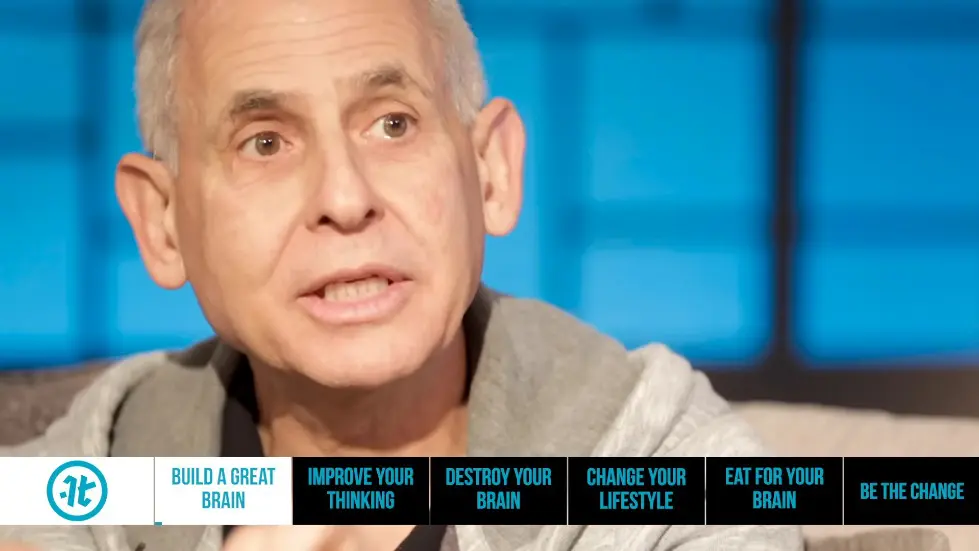
How to Make a Good Brain Great
- The first thing is to care about your brain and want to improve it.
- Avoid anything that hurts your brain by preventing or treating the 11 major risk factors that steal your mind.
- Do things that help your brain, such as exercise, omega-3 fatty acids, and positive decision-making.
- Before making any decision, ask yourself if it's good or bad for your brain and answer in a positive way because you love yourself.
- Love, attachment, and not being lonely are some of the simple things that can protect your brain.

The Bright Minds Mnemonic
- The Bright Minds mnemonic is a way to prevent or treat the 11 major risk factors that steal your mind.
- Bright Minds stands for Blood flow, Retirement, Inflammation, Genetics, Head trauma, Toxins, Mental health, Immunity, Neurohormone deficiencies, Diabetes, and Sleep.
- Football is worse for your brain than cocaine because it can cause head trauma.
- Low-fat diets may cause depression because the brain needs healthy fats to function properly.
- Omega-3 fatty acids are important for brain health because they reduce inflammation and improve blood flow.
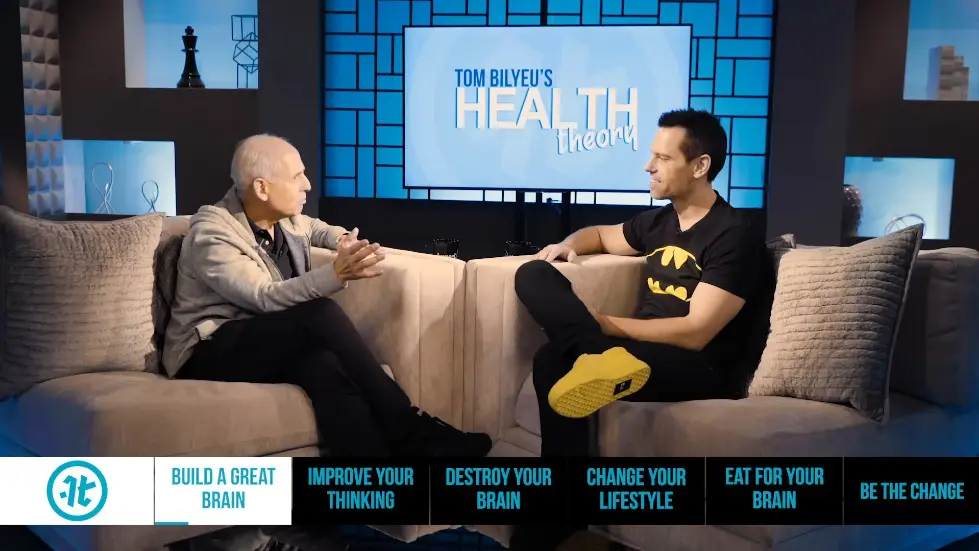
11 Risk Factors That Destroy Your Brain | Dr. Daniel Amen on Health Theory - YouTube
The Importance of Positive Thinking
- Negative thinking patterns can harm the brain by increasing anxiety and stress.
- Believing every stupid thing you think can lead to irrational thoughts and behaviors.
- Interrupt negative thinking patterns by asking yourself if your thoughts are true, helpful, inspiring, necessary, and kind.
- Positive thinking can improve brain function by reducing anxiety and stress and increasing happiness and well-being.
- Little habits, such as smiling, gratitude, and meditation, can have a big impact on brain health.
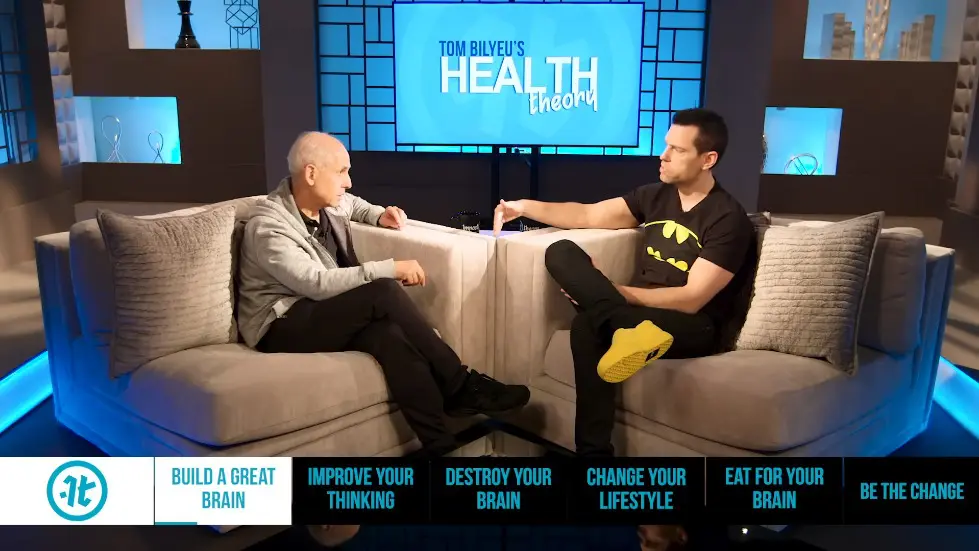
The Gut-Brain Connection
- The gut makes most of the neurotransmitters in the body, which are important for brain function.
- Getting your gut right by eating a healthy diet, taking probiotics, and avoiding toxins can improve brain health.
- Processed foods, sugar, and artificial sweeteners can harm the gut and the brain.
- Healthy foods, such as fruits, vegetables, whole grains, and lean proteins, can improve gut and brain health.
- The gut-brain connection is a two-way street, and taking care of your gut can improve your mood, memory, and cognitive function.
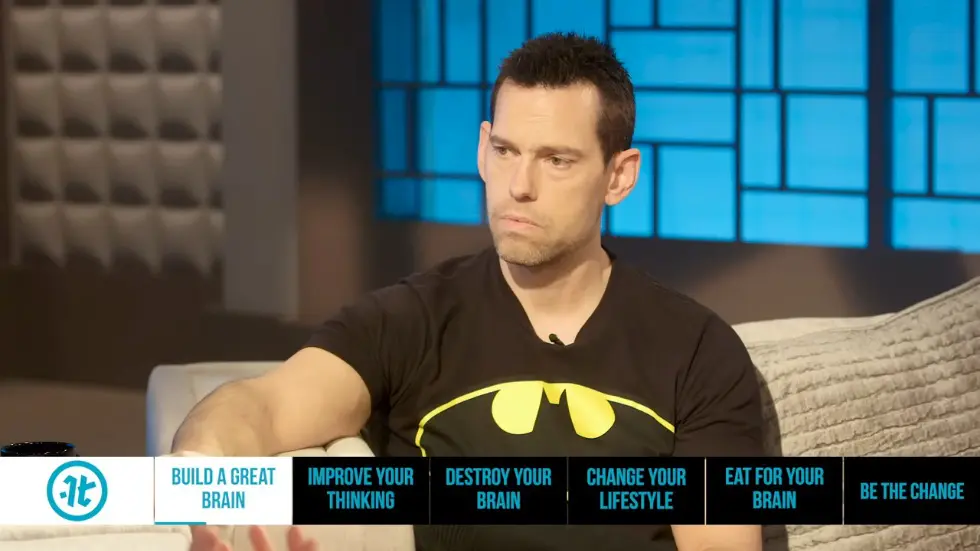
Risk Factors for Brain Damage
- Contact sports can damage the brain as much as cocaine.
- Professional football players have a high level of brain damage.
- 80% of football players can recover from brain damage with rehabilitation.
- There are 16 brain types that can be assessed online.
- Four circles of life are considered: biology, psychology, environment, and spirituality.

Negative Thinking Patterns
- Automatic negative thoughts can lead to anxiety and depression.
- Interrupting negative thoughts can help improve mental health.
- There are exercises to help stop negative thinking patterns.
- Writing down negative thoughts and questioning their truth can help.
- Acting on positive thoughts is more effective than just thinking positively.

Diet and Brain Health
- Low-fat diets can harm the brain.
- Omega-3 fatty acids are important for brain health.
- Processed foods and sugar can damage the brain.
- Supplements like magnesium and gaba can help with anxiety.
- Alcohol and drug abuse can cause brain damage.

Improving Brain Function
- Exercise can improve brain function and reduce anxiety and depression.
- Getting enough sleep is important for brain health.
- Meditation and mindfulness can help reduce stress and improve brain function.
- Positive decision-making can improve brain health.
- Brain training exercises can improve cognitive function.

Risk Factors for Brain Health
- Stanford study on 1548 10-year-old children followed for 90 years to determine factors for success, health, and longevity.
- Conscientiousness is the key factor for longevity.
- Anxiety can be beneficial in preventing reckless behavior.
- Negative thinking patterns can harm the brain.
- Low-fat diets can harm the brain.
- Football can harm the brain.

The Power of Positive Thinking
- Believing negative thoughts can lead to anxiety and negative behavior.
- Questioning negative thoughts can reduce anxiety and improve behavior.
- Asking questions such as "Is it true?" and "How do I feel when I believe the thought?" can help challenge negative thoughts.
- Flipping negative thoughts to their opposite can help improve mood and behavior.
- Diaphragmatic breathing can help reduce anxiety.

The Importance of Exercise and Omega-3 Fatty Acids
- Exercise can improve brain function and reduce the risk of cognitive decline.
- Omega-3 fatty acids can improve brain function and reduce the risk of cognitive decline.
- Exercise and omega-3 fatty acids can improve mood and reduce anxiety.
- Exercise and omega-3 fatty acids can improve sleep quality.
- Exercise and omega-3 fatty acids can reduce inflammation in the brain.

The Role of Positive Decision-Making
- Positive decision-making can improve brain function and reduce the risk of cognitive decline.
- Positive decision-making can improve mood and reduce anxiety.
- Positive decision-making can improve sleep quality.
- Positive decision-making can reduce inflammation in the brain.
- Positive decision-making can improve overall health and longevity.

Breathing Techniques to Trigger Parasympathetic Response
- Diaphragmatic breathing can help calm nerves before speaking.
- Big breaths with twice as long exhales can trigger a parasympathetic response.
- Parasympathetic response is the opposite of fight-or-flight response.
- Parasympathetic response can be triggered by holding something warm.
- Parasympathetic response can also be triggered by getting in a sauna or hot tub.

Four Circles Approach to Brain Health
- Dr. Amen uses a four circles approach to brain health.
- He starts with supplements to address likely issues based on brain scans and questionnaires.
- He recommends exercise, especially coordination exercises like racket sports.
- He emphasizes the importance of working on biology along with supplements and exercise.
- He recommends brainhealthassessment.com to find out which of the 16 types of brain issues a person has.

The Importance of Cerebellum and Coordination Exercises
- The cerebellum is responsible for coordination and cognition.
- 80% of the cerebellum is dedicated to cognition and motion.
- Coordination exercises like racket sports and ballroom dancing can stimulate the cerebellum.
- Supplements like theanine, rhodiola, ashwagandha, and ginseng can also stimulate the cerebellum.
- Alcohol is directly toxic to the cerebellum and should be avoided.

Other Risk Factors for Brain Health
- Football and other contact sports can cause brain damage.
- Negative thinking patterns can harm the brain.
- Low-fat diets can deprive the brain of essential nutrients.
- Chronic stress can damage the brain.
- Environmental toxins like mold and heavy metals can harm the brain.

Impact of Football and Diet on Brain Health
- Playing football can harm the brain by banging the frontal lobes and turning off the cerebellum.
- Heading flip soccer balls can turn off both sides of the cerebellum.
- Sugar is pro-inflammatory, addictive, and increases erratic brain cell firing.
- Low-fat diets can trigger depression and reduce brain function.
- 60% of the solid weight of the brain is fat, and healthy fats like fish and avocados are great brain food.

Importance of Calorie Smart Diet and Exercise
- 70% of people are overweight, and 40% are obese.
- As weight goes up, the physical size and function of the brain goes down.
- Healthy fats and clean protein should be included in every meal to stabilize blood sugar.
- High fasting blood sugar level is associated with brain atrophy and makes blood vessels brittle.
- Simple carbohydrates like bread, pasta, and potatoes drive tryptophan into the brain, making it feel happier and relaxed, but it kills early.
- Exercise is good for tryptophan to get into the brain and prevent depression.
You have read 50% of the summary.
To read the other half, please enter your Name and Email. It's FREE.
You can unsubscribe anytime. By entering your email you agree to our Terms & Conditions and Privacy Policy.
Watch the video on YouTube:
11 Risk Factors That Destroy Your Brain | Dr. Daniel Amen on Health Theory - YouTube
Related summaries of videos:
- You Will NEVER EAT Sugar Again After WATCHING THIS! | Dr. David Perlmutter
- Why Everyone Has Midlife Wrong | Chip Conley on Impact Theory
- Stop Fearing Rejection & Be The Real You | Marie Forleo on Impact Theory
- Her SECRET METHOD For Weight Loss Will BLOW YOUR MIND | Liz Josefsberg on Health Theory
- 4 Things to Do Everyday If You Want to Be Happy, Healthy & Wealthy | James Altucher on Impact Theory
- How To BREAK THE ADDICTION To Negative Thoughts & Emotions In 5 MINUTES | Hal Elrod
- How to Get The Most From Your Sleep Cycle | Dan Pardi on Health Theory
- Manipulate Your Sense of Time With 3 Steps | Laura Vanderkam on Impact Theory
- I Don’t Care What You Think Of Me For Having A Dream | Rachel Hollis on Impact Theory
- Eat These Ingredients to Slow The Aging Process | Naomi Whittel on Health Theory
- Home
- About us
- Contact
- Book Summaries 0-9
- Book Summaries A
- Book Summaries B
- Book Summaries C
- Book Summaries D
- Book Summaries E
- Book Summaries F
- Book Summaries G
- Book Summaries H
- Book Summaries I
- Book Summaries J
- Book Summaries K
- Book Summaries L
- Book Summaries M
- Book Summaries N
- Book Summaries O
- Book Summaries P
- Book Summaries Q
- Book Summaries R
- Book Summaries S
- Book Summaries T
- Book Summaries U
- Book Summaries V
- Book Summaries W
- Book Summaries X
- Book Summaries Y
- Book Summaries Z
- Jay Shetty Podcast - Summaries
- Tom Bilyeu Impact Theory - Summaries
- Lex Fridman - Summaries
- Diary of a CEO - Summaries
- Alex Hormozi - Summaries
