
Dr. Susanna Søberg and Dr. Andrew Huberman: How to Use Cold & Heat Exposure to Improve Your Health | Huberman Lab Podcast
Last updated: Oct 2, 2023
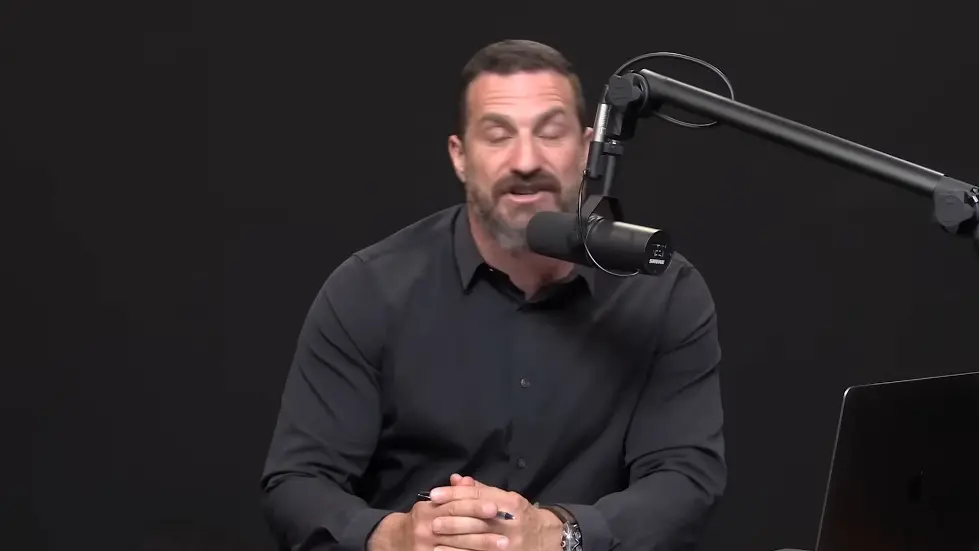
The video is about Dr. Andrew Huberman and Dr. Susanna Søberg discussing the use of cold and heat exposure to improve human health. Dr. Søberg is a researcher who has focused on how deliberate cold and heat exposure can enhance human metabolism and establish actionable protocols that can be used outside of the laboratory to improve metabolism and human health. The video covers the effects of cold and heat on various aspects of the body's physiology, including hormone health, metabolism, and changes in neurotransmitters such as dopamine and epinephrine. Dr. Søberg also answers common questions about deliberate cold and deliberate heat exposure, including the difference between cold showers versus cold immersion up to the neck versus total body cold immersion, and whether going back and forth between heat and cold changes fundamentally the way that heat and cold impact the metabolism, hormones, and neurotransmitter production. The video is sponsored by Plunge and Maui Nui Venison.
This video by Andrew Huberman was published on May 15, 2023.
Video length: 02:30:35.
The video is about Dr. Susanna Søberg, who discusses the use of cold and heat exposure to improve human health.
Dr. Søberg is a researcher who has focused on the effects of deliberate cold and heat exposure on human metabolism. She is the first author of a seminal study that discovered the minimum thresholds for deliberate heat and deliberate cold exposure for increasing Brown fat thermogenesis. Dr. Søberg also discusses the effects of cold and heat on things like neurotransmitter production, specifically dopamine, epinephrine, and norepinephrine, which strongly impact mood and metabolism. The video covers various aspects of deliberate cold and heat exposure, including the difference between cold showers versus cold immersion up to the neck versus total body cold immersion, and whether going back and forth between heat and cold changes fundamentally the way that heat and cold impact the metabolism, hormones, and neurotransmitter production. Dr. Søberg also answers many common questions about deliberate cold and deliberate heat exposure.
The video is sponsored by Plunge and Maui Nui Venison.
- Dr. Susanna Søberg is a researcher who has focused on how deliberate cold and heat exposure can enhance human metabolism
- She has completed doctoral thesis work at the center of inflammation and metabolism and the center for physical activity research at the University of Copenhagen in Denmark
- Her research has focused on how deliberate cold exposure and deliberate heat exposure can be used to enhance human metabolism
- She is considered one of the world's leading experts on these topics
- She has published a recent book entitled "Winter Swimming" which breaks down the different aspects of deliberate heat and deliberate cold into its various constituent parts
- The podcast is separate from Andrew Huberman's teaching and research roles at Stanford
- It is part of his desire and effort to bring zero-cost and consumer information about science and science-related tools to the general public
- The first sponsor is Plunge, a versatile at-home self-cooling cold plunge for deliberate cold exposure
- Deliberate cold exposure especially deliberate cold exposure done up to the neck in water can be used to achieve a number of important endpoints related to mental health, physical health, and performance

Introduction
- Welcome to the Huberman Lab podcast
- Discusses science and science-based tools for everyday life
- Hosted by Andrew Huberman, a professor of neurobiology and ophthalmology at Stanford School of Medicine
- Guest is Dr. Susanna Søberg, a researcher who has focused on how deliberate cold and heat exposure can enhance human metabolism

Dr. Susanna Søberg's Research
- Completed doctoral thesis work at the center of inflammation and metabolism and the center for physical activity research at the University of Copenhagen in Denmark
- Research has focused on how deliberate cold exposure and deliberate heat exposure can be used to enhance human metabolism
- First author of a seminal study which discovered the minimum thresholds for deliberate heat and deliberate cold exposure for increasing Brown fat thermogenesis
- Published in the journal Cell Reports in 2021

Discussion on Deliberate Heat and Deliberate Cold Exposure
- Today's discussion focuses on the role of deliberate heat and deliberate cold exposure on metabolism
- Also includes discussion of the effects of cold and heat on things like neurotransmitter production, specifically dopamine and epinephrine and norepinephrine
- Dr. Søberg answers many common questions about deliberate cold and deliberate heat exposure
- Difference between cold showers versus cold immersion up to the neck versus total body cold immersion
- Whether or not going back and forth between heat and cold changes fundamentally the way that heat and cold impact the metabolism, hormones, and neurotransmitter production
Deliberate Cold Exposure Protocols
- Discusses almost every single nuance and variation on deliberate cold and deliberate heat exposure protocols as it relates to the underlying science
- Impact of cold receptors at the level of the skin versus cold reception and perception at the level of the brain
- Impact of systems of the brain and body relating to mental health, physical health, and performance
- Dr. Søberg is considered one of the world's leading experts on these topics
- Author of a recent book entitled "Winter Swimming" which breaks down the different aspects of deliberate heat and deliberate cold into its various constituent parts

Sponsors
- Podcast is separate from Andrew Huberman's teaching and research roles at Stanford
- Part of his desire and effort to bring zero-cost and consumer information about science and science-related tools to the general public
- First sponsor is Plunge, a versatile at-home self-cooling cold plunge for deliberate cold exposure
- Plunge uses a powerful cooling and sanitation unit to give access to deliberate cold exposure in clean water whenever you want
- Deliberate cold exposure especially deliberate cold exposure done up to the neck in water can be used to achieve a number of important endpoints related to mental health, physical health, and performance

Introduction
- The video is about Dr. Susanna Søberg discussing the use of cold and heat exposure to improve human health.
- Dr. Søberg is a researcher who has focused on how deliberate cold and heat exposure can enhance human metabolism and establish actionable protocols that can be used outside of the laboratory to improve metabolism and human health.
- The video covers the effects of cold and heat on various aspects of the body's physiology, including hormone health, metabolism, and changes in neurotransmitters such as dopamine and epinephrine.
- Dr. Søberg also answers common questions about deliberate cold and deliberate heat exposure, including the difference between cold showers versus cold immersion up to the neck versus total body cold immersion, and whether going back and forth between heat and cold changes fundamentally the way that heat and cold impact the metabolism, hormones, and neurotransmitter production.

Effects of Cold Exposure
- Cold exposure can increase the production of brown fat, which is a type of fat that burns energy and helps to regulate body temperature.
- Cold exposure can also increase the production of hormones such as adrenaline and noradrenaline, which can help to improve focus and alertness.
- Cold exposure can also increase the production of dopamine, a neurotransmitter that is associated with pleasure and reward.
- Cold exposure can also increase the production of epinephrine, a hormone that is associated with the "fight or flight" response.

Effects of Heat Exposure
- Heat exposure can increase the production of sweat, which can help to regulate body temperature and improve cardiovascular health.
- Heat exposure can also increase the production of endorphins, which are natural painkillers that can help to improve mood and reduce stress.
- Heat exposure can also increase the production of melatonin, a hormone that is associated with sleep and relaxation.
- Heat exposure can also increase the production of cortisol, a hormone that is associated with stress and inflammation.

Differences between Cold and Heat Exposure
- Cold exposure can increase the production of brown fat, while heat exposure can increase the production of sweat.
- Cold exposure can increase the production of dopamine, while heat exposure can increase the production of endorphins.
- Cold exposure can increase the production of adrenaline and noradrenaline, while heat exposure can increase the production of cortisol.
- Cold exposure can increase the production of melatonin, while heat exposure can increase the production of melatonin.

Conclusion
- Deliberate cold and heat exposure can have a range of positive effects on human health, including improving metabolism, hormone health, and neurotransmitter production.
- The effects of cold and heat exposure can vary depending on the specific type of exposure and the individual's response to it.
- It is important to find a balance between cold and heat exposure that works best for your individual needs and goals.

Introduction
- The video is about Dr. Susanna Søberg discussing the use of cold and heat exposure to improve human health.
- Dr. Søberg is a researcher who has focused on how deliberate cold and heat exposure can enhance human metabolism and establish actionable protocols that can be used outside of the laboratory to improve metabolism and human health.
- The video covers the effects of cold and heat on various aspects of the body's physiology, including hormone health, metabolism, and changes in neurotransmitters such as dopamine and epinephrine.
- Dr. Søberg also answers common questions about deliberate cold and deliberate heat exposure, including the difference between cold showers versus cold Plunge at the level of our physiology and psychology.

Physiology of Cold Exposure
- When we get into uncomfortably cold water, our core temperature is warmer and that's why it feels a little bit better.
- The temperature difference from our skin to the cold water gives us a shock.
- Our sympathetic nervous system is activated, which leads to the release of catecholamines such as dopamine, epinephrine, and norepinephrine.
- The activation of the sympathetic nervous system and catecholamines leads to an increase in heart rate, feelings of alertness, and accelerations.

Psychology of Cold Exposure
- Cold exposure can be stressful, but it can also be a way to gauge our resilience and adapt to new situations.
- Training cold exposure can help us build up our resilience and adapt to it, so we don't have a hypertension ventilating response every time we go out in the cold water.
- Building up our adaptation to cold exposure can make the discomfort subside over time.
- It's important to remember that cold exposure should be hard, not comfortable, in order to see the benefits.

Section 1: Cold and Heat Exposure
- The video discusses the use of cold and heat exposure to improve human health.
- Dr. Susanna Søberg, a researcher who has focused on how deliberate cold and heat exposure can enhance human metabolism, is the guest on the podcast.
- The video covers the effects of cold and heat on various aspects of the body's physiology, including hormone health, metabolism, and changes in neurotransmitters such as dopamine and epinephrine.
- Dr. Søberg answers common questions about deliberate cold and deliberate heat exposure, including the difference between cold showers versus cold immersion up to the neck versus total body cold immersion.
- The video is sponsored by Plunge and Maui Nui Venison.

Section 2: Cold Exposure
- Deliberate cold exposure can enhance human metabolism.
- Cold exposure can activate the body's first responder, Brown fat, which increases metabolism.
- Studies have shown that cold exposure can increase neurotransmitters in the brain, which could impact mental balance.
- There is limited research on the impact of cold showers on metabolism and neurotransmitters.
- Cold exposure can be uncomfortable, but it can be titrated and adjusted to find a level that works for the individual.

Section 3: Heat Exposure
- Heat exposure can also enhance human metabolism.
- Studies have shown that heat exposure can increase neurotransmitters in the brain, which could impact mental balance.
- There is limited research on the impact of heat exposure on metabolism and neurotransmitters.
- Heat exposure can be uncomfortable, but it can be titrated and adjusted to find a level that works for the individual.
- The video discusses the use of heat exposure in military Special Operations training.

Section 4: Cold and Heat Exposure Combined
- Combining cold and heat exposure can enhance the benefits of each exposure.
- Studies have shown that combining cold and heat exposure can increase metabolism and neurotransmitters in the brain.
- There is limited research on the impact of combining cold and heat exposure on metabolism and neurotransmitters.
- Combining cold and heat exposure can be uncomfortable, but it can be titrated and adjusted to find a level that works for the individual.
- The video discusses the use of cold and heat exposure in military Special Operations training.

Introduction
- The body has two tissues that can increase thermogenesis, which is the process of generating heat in the body.
- Brown fat is a tissue that regulates body temperature and is activated by cold exposure.
- Muscles also start to shiver and generate heat when exposed to cold, but this process is not as efficient as brown fat activation.
- Cold showers can activate brown fat and increase metabolism, but there is limited research on this topic.

Methodological Challenges
- Cold showers are harder to control and study than cold immersion because people's clothing and skin can interfere with the cold exposure.
- Taking part in a study can also be stressful for human subjects, making it difficult to control for variables.
- Studying cold showers requires a different set of equipment and methodology than studying cold immersion.
- There may be cultural and individual differences in how people respond to cold exposure, which can affect study results.

Brown Fat Activation
- Brown fat is activated by cold receptors on the skin, which send a signal to the temperature regulating center in the brain.
- The activation of brown fat is the most potent pathway for increasing metabolism in response to cold exposure.
- There may be other pathways involved in brown fat activation, such as direct activation from the muscles.
- Brown fat is also activated when the body gets warmer, but the pathways involved are different from those activated by cold exposure.

Parallel Pathways
- There are three parallel pathways involved in thermogenesis, including brown fat activation, muscle shivering, and direct activation from the skin.
- The existence of multiple pathways for thermogenesis is important for survival and evolution, as it allows the body to respond to different environmental conditions.
- Studying these parallel pathways can provide insights into how the body regulates metabolism and body temperature.
- Understanding the mechanisms behind these pathways can have implications for treating conditions such as obesity and hypothermia.

Brown Fat and Cold Exposure
- Brown fat is activated directly by cold receptors in the skin, which are triggered by cold skin.
- Shivering in the muscle to the brown fat is also a response to cold skin.
- Brown fat plays a role in regulating metabolism and hormones.
- Inducing shiver is important for activating brown fat and increasing metabolism.
- Shivering should not be feared as long as it does not lead to hypothermia.

The Drop
- The drop is a phenomenon that occurs after getting out of cold water, where the core temperature decreases even after the body has warmed up.
- The drop is caused by the constriction of blood vessels in the body to keep blood near the core.
- The drop is an important part of the cold exposure process, as it induces shiver and activates brown fat.
- The drop should not be avoided, as it is a natural response to cold exposure.

The Soberg Principle
- The Soberg principle is the idea that ending on cold is important for activating brown fat and increasing metabolism.
- The Soberg principle is based on the idea that cold exposure is a form of training for the body.
- The Soberg principle is an important principle in cold exposure therapy.
- The Soberg principle is based on the idea that cold exposure creates healthy stress in the body.

Homiesis and Cold Exposure
- Homiesis is a phenomenon that occurs when cells are exposed to healthy stress, such as cold or heat.
- Exposing muscle cells or brown fat cells to healthy stress can improve their ability to activate and trade.
- Exposing cells to healthy stress can make them more robust and increase their ability to respond to future stressors.
- The same kind of training that occurs at the gym can also occur when the body is exposed to cold water.

The Benefits of Cold and Heat Exposure
- Deliberate cold and heat exposure can enhance human metabolism and establish actionable protocols that can be used outside of the laboratory to improve metabolism and human health.
- Cold and heat exposure can affect various aspects of the body's physiology, including hormone health, metabolism, and changes in neurotransmitters such as dopamine and epinephrine.
- Going back and forth between heat and cold changes fundamentally the way that heat and cold impact the metabolism, hormones, and neurotransmitter production.
- The discomfort or embarrassment of shiver is still crucial to actually reaching for and trying to experience the same way that with exercise.
- If we were to measure heart rate, blood pressure, stress hormones, and inflammation in a human being during exercise, it would look as if they were ready to die, but all of that is setting in motion and adaptation or set of adaptations that allow blood pressure to be lower at rest and inflammation markers to be lower at rest.

The Effects of Cold and Heat Exposure
- Cold and heat exposure can affect the cells in the body, making them stronger with hermetic stress.
- The same process just different practices.
- Cold and heat exposure can affect the body's physiology, including hormone health, metabolism, and changes in neurotransmitters such as dopamine and epinephrine.
- Cold and heat exposure can affect the body's metabolism, allowing blood pressure to be lower at rest and inflammation markers to be lower at rest.

The Benefits of Cold and Heat Exposure
- Deliberate cold and heat exposure can enhance human metabolism and establish actionable protocols that can be used outside of the laboratory to improve metabolism and human health.
- Cold and heat exposure can affect various aspects of the body's physiology, including hormone health, metabolism, and changes in neurotransmitters such as dopamine and epinephrine.
- Going back and forth between heat and cold changes fundamentally the way that heat and cold impact the metabolism, hormones, and neurotransmitter production.
- The discomfort or embarrassment of shiver is still crucial to actually reaching for and trying to experience the same way that with exercise.
- If we were to measure heart rate, blood pressure, stress hormones, and inflammation in a human being during exercise, it would look as if they were ready to die, but all of that is setting in motion and adaptation or set of adaptations that allow blood pressure to be lower at rest and inflammation markers to be lower at rest.

Insulin Sensitivity and Cold Exposure
- Dr. Susanna Søberg discusses the use of cold and heat exposure to improve human health.
- She explains how deliberate cold exposure can enhance human metabolism and establish actionable protocols that can be used outside of the laboratory to improve metabolism and human health.
- The video covers the effects of cold and heat on various aspects of the body's physiology, including hormone health, metabolism, and changes in neurotransmitters such as dopamine and epinephrine.
- Dr. Søberg answers common questions about deliberate cold and deliberate heat exposure, including the difference between cold showers versus cold immersion up to the neck versus total body cold immersion, and whether going back and forth between heat and cold changes fundamentally the way that heat and cold impact the metabolism, hormones, and neurotransmitter production.

Athletic Greens
- Athletic Greens is a vitamin mineral probiotic drink that covers all of your foundational nutritional needs.
- Dr. Andrew Huberman has been taking Athletic Greens since 2012 and recommends it to his listeners.
- The probiotics in Athletic Greens are optimal and vital for microbiotic health.
- Athletic Greens also contains a number of adaptogens, vitamins, and minerals that make sure that all of your foundational nutritional needs are met.

Blood Pressure and Cold Exposure
- Dr. Susanna Søberg explains that blood pressure is vital to control and can be controlled through deliberate cold exposure.
- She also discusses the role of Brown fat in regulating blood pressure and how it can be activated and expanded as adults.
- Dr. Søberg mentions a study from 2017 that found more locations of Brown fat than previously thought.
- She emphasizes that the effects of cold exposure on blood pressure are not just about getting fatter, but about improving metabolism and overall health.

Brown Fat and Cold Exposure
- Brown fat is a type of fat that can grow and decrease in size.
- Studies have shown that brown fat can grow if there is an increase in NOAA adrenaline in the body.
- Brown fat activates the sympathetic nervous system, which can lead to high blood pressure.
- Removing a benign tumor on the adrenal gland that increases NOAA adrenaline can decrease brown fat and normalize blood pressure.
- Brown fat is an insulin-sensitive organ, and as people get obese, they may have less brown fat.

Insulin Sensitivity and Exercise
- Insulin sensitivity is a good thing, as it allows cells to be sensitive to insulin.
- People who work outside and do physical labor tend to have more brown fat and better posture.
- Individuals at the gym who are lean and have good posture are likely to be in their 70s and 80s.
- Fitness and physical labor can improve insulin sensitivity and lead to better health outcomes.

Hormone Augmentation and Exercise
- There are telltale signs of hormone augmentation, such as fit and muscular appearance.
- Many people who look fit and muscular grew up doing physical labor or manual work.
- Asking people about their early years and manual work can provide insight into their hormone levels.
- Exercise and physical labor can improve hormone levels and lead to better health outcomes.

The Effects of Cold and Heat Exposure on the Body
- Cold exposure activates brown fat, which is a tissue that helps regulate body temperature.
- Brown fat is the most potent stressor or activator of our Brown fat because it's our temperature regulating organ in our body.
- Exposing oneself to cold water, even for a short period of time, can activate brown fat.
- Studies have shown that exposure to cold can increase insulin sensitivity and metabolism.
- Activating brown fat through cold exposure can also decrease unhealthy fat, such as white fat, which is important for energy storage.

Deliberate Cold and Heat Exposure
- Deliberate cold exposure, such as cold showers or immersion in cold water, can activate brown fat.
- Deliberate heat exposure, such as saunas or hot tubs, can also activate brown fat.
- Going outside in a coat or wearing cooling vests can also activate brown fat.
- Sleeping in a cold room can also activate brown fat and increase insulin sensitivity.
- It's important to note that the body can adapt to cold exposure over time, which can make it less effective.

Activating Brown Fat
- Brown fat can be activated by exposure to cold or heat.
- Brown fat is a tissue that helps regulate body temperature and is important for energy storage.
- Activating brown fat can increase insulin sensitivity and metabolism.
- Activating brown fat can also decrease unhealthy fat, such as white fat.
- It's important to note that the body can adapt to cold exposure over time, which can make it less effective.

Conclusion
- Deliberate cold and heat exposure can be an effective way to activate brown fat and improve metabolism and insulin sensitivity.
- There are many ways to expose oneself to cold or heat, such as cold showers, immersion in cold water, wearing cooling vests, or sleeping in a cold room.
- It's important to note that the body can adapt to cold exposure over time, which can make it less effective.
- Overall, activating brown fat through cold or heat exposure can be a simple and effective way to improve one's health.

The Effects of Cold and Heat Exposure on the Body
- Cold and heat exposure can activate brown fat, which is involved in regulating temperature.
- The increase in brown fat observed in response to cold exposure can be expected, as there are many co-receptors in the face that can respond to cold stimuli.
- Activating brown fat through cold exposure can be done by putting a hand into a bucket of cold water for a few minutes.
- Brown fat can be activated through cold exposure, as measured with an infrared thermography camera.
- The location of brown fat is usually centrally in the body, around the nervous system, and close to the skin surface.

The Role of Brown Fat in Thermoregulation
- Brown fat is involved in regulating temperature in the body.
- Brown fat can be activated through cold exposure, which can help regulate temperature.
- Brown fat can be measured with an infrared thermography camera.
- Brown fat is located centrally in the body, around the nervous system, and close to the skin surface.

The Benefits of Cold Exposure
- Cold exposure can activate brown fat, which can help regulate temperature.
- Cold exposure can be done by putting a hand into a bucket of cold water for a few minutes.
- Cold exposure can be measured with an infrared thermography camera.
- Brown fat is located centrally in the body, around the nervous system, and close to the skin surface.

The Role of Brown Fat in Metabolism
- Brown fat is involved in regulating temperature in the body.
- Brown fat can be activated through cold exposure, which can help regulate temperature.
- Brown fat can be measured with an infrared thermography camera.
- Brown fat is located centrally in the body, around the nervous system, and close to the skin surface.

Section 1: Cold Exposure for Health
- Wearing fewer layers in winter helps prepare the body for cold and allows it to heat itself up using brown fat.
- In the spring, when temperatures are warming, wearing more layers can help cool the body down.
- The concept of wearing less before winter and more before summer is known in Scandinavian countries.
- Babies in Scandinavia and Russia were put outside to sleep in the cold to increase their immune system and resistance to the cold.
- Denmark still does this today, and it is believed to be good for the immune system and resilience to the cold.

Section 2: Cold Exposure in History
- In the 1950s, the Russian government encouraged cold exposure to increase resistance to the tuberculosis pandemic and increase the immune system.
- Babies in Scandinavia and Russia were put outside to sleep in the cold as part of this initiative.
- Denmark still does this today, and it is believed to be good for the immune system and resilience to the cold.
- Babies are taken out in the cold in Denmark, even in the winter or at least the first few years of their life.
- The Danish culture values cold exposure and people are fitter than in the United States.

Section 3: Cold Exposure and Fitness
- People in Copenhagen are dramatically fitter than in the United States.
- Bicycling is a common mode of transportation in Copenhagen, which helps people extract as much energy from the sun as possible.
- Swimmers in Copenhagen are able to swim in cold water without issue.
- The range of ages of swimmers in Copenhagen is remarkable, with triathlete-looking types and young kids being able to swim in the cold water.
- The Danish culture values cold exposure and people are fitter than in the United States.

Section 4: Cold Exposure and Health
- Regular blood work can help assess factors that impact immediate and long-term health.
- Inside Tracker is a personalized nutrition platform that analyzes data from blood and DNA to help people better understand their body and reach their health goals.
- Inside Tracker makes it easy to look at levels of hormones, metabolic factors, and other markers and assess what interventions might be used to bring those numbers into optimal ranges for health.
- Inside Tracker's ultimate plan now includes three new hormone markers that are critical to measure during a woman's reproductive and menopausal phases.
- The concept of wearing less before winter and more before summer is known in Scandinavian countries and is believed to be good for the immune system and resilience to the cold.

Introduction
- The video is about Dr. Susanna Søberg discussing the use of cold and heat exposure to improve human health.
- Dr. Søberg is a researcher who has focused on how deliberate cold and heat exposure can enhance human metabolism and establish actionable protocols that can be used outside of the laboratory to improve metabolism and human health.
- The video covers the effects of cold and heat on various aspects of the body's physiology, including hormone health, metabolism, and changes in neurotransmitters such as dopamine and epinephrine.
- Dr. Søberg also answers common questions about deliberate cold and deliberate heat exposure, including the difference between cold showers versus cold immersion up to the neck versus total body cold immersion, and whether going back and forth between heat and cold changes fundamentally the way that heat and cold impact the metabolism, hormones, and neurotransmitter production.

Background
- Dr. Søberg started her research in 2016 and was interested in preventive medicine and studies that explored how to lower the "sweet tooth".
- She wanted to do something new, so she looked into the brown fat and got hired in a research group where she read a lot of research about how the brown fat gets activated.
- She found that cold exposure could be a good intervention for activating the brown fat, but she wanted to see if it could be done as part of an activity.
- She was thinking about winter swimming as a way to activate the brown fat, but she couldn't find much literature on the activation of the brown fat with cold water.

Study Design
- Dr. Søberg and her team wanted to do a proof of concept study to see if cold water and winter swimming would activate the brown fat.
- They had a small number of participants, but they wanted to dig deeper into the different mechanisms and redo some of the days.
- The power calculation of the study was done on what they knew from Pet City scannings of the brown fat.
- The main outcome of the study was the activation of the brown fat.

Results
- Dr. Søberg and her team found that cold water and winter swimming did activate the brown fat.
- They also found that the activation of the brown fat was different from cold air exposure.
- The study showed that cold water and winter swimming could be a good intervention for activating the brown fat.
- The study also showed that the activation of the brown fat was different from cold air exposure.

Introduction
- The video is about Dr. Susanna Søberg discussing the use of cold and heat exposure to improve human health.
- Dr. Søberg is a researcher who has focused on how deliberate cold and heat exposure can enhance human metabolism and establish actionable protocols that can be used outside of the laboratory to improve metabolism and human health.
- The video covers the effects of cold and heat on various aspects of the body's physiology, including hormone health, metabolism, and changes in neurotransmitters such as dopamine and epinephrine.
- Dr. Søberg also answers common questions about deliberate cold and deliberate heat exposure, including the difference between cold showers versus cold immersion up to the neck versus total body cold immersion, and whether going back and forth between heat and cold changes fundamentally the way that heat and cold impact the metabolism, hormones, and neurotransmitter production.

Section 1: Starting Cold Exposure
- The proof of concept for cold exposure was small and focused on different mechanisms.
- Fat biopsies were taken to look at the white fat to see if there were any differences between the groups before and after cold exposure.
- Dr. Søberg was not a winter swimmer when she started this research, but she was comfortable in cold water.
- She started playing with the idea of cold exposure and found it to be invigorating and energizing.
- Dr. Søberg now does cold exposure every morning for about a minute to two minutes in a cold plunge.

Section 2: Cold Exposure and Comfort
- Dr. Søberg found that cold exposure was uncomfortable at first, but she learned to control the gasp reflex and hyperventilation.
- She also found that the forebrain struggles to engage for the first 20 or 30 seconds, but if you can get past that wall it's easier to push through.
- Dr. Søberg found that the experience of getting in the cold water was uncomfortable, but the feeling of being in the water was invigorating.
- She also found that the feeling of being in the water lasted longer than the discomfort.
- Dr. Søberg now does cold exposure every morning and finds it to be energizing and invigorating.

Section 3: Cold Exposure and Health Benefits
- Dr. Søberg found that cold exposure can enhance human metabolism and establish actionable protocols that can be used outside of the laboratory to improve metabolism and human health.
- She found that cold exposure can increase hormone health, metabolism, and changes in neurotransmitters such as dopamine and epinephrine.
- Dr. Søberg also found that cold exposure can improve blood pressure and heart rate.
- She found that cold exposure can also improve mood and energy levels.
- Dr. Søberg now does cold exposure every morning and finds it to be energizing and invigorating.

Section 4: Conclusion
- Dr. Søberg's research on cold exposure has shown that it can have numerous health benefits.
- She recommends starting with a low dose of cold exposure and gradually increasing it over time.
- Dr. Søberg also recommends doing cold exposure every morning for about a minute to two minutes in a cold plunge.
- She finds cold exposure to be energizing and invigorating and recommends it as a way to improve metabolism and human health.
- Overall, Dr. Søberg's research on cold exposure highlights the potential benefits of using cold exposure as a way to improve health and well-being.
- The speaker is discussing the use of cold and heat exposure to improve human health.
- The speaker is a researcher who has focused on how deliberate cold and heat exposure can enhance human metabolism.
- The speaker has conducted research on the effects of cold and heat on various aspects of the body's physiology.
- The speaker has answered common questions about deliberate cold and deliberate heat exposure.
- Cold exposure can enhance human metabolism.
- Cold exposure can establish actionable protocols that can be used outside of the laboratory to improve metabolism and human health.
- Cold exposure can affect hormone health, metabolism, and changes in neurotransmitters such as dopamine and epinephrine.
- The speaker recommends against going back and forth between heat and cold, as it can exhaust the body and make it age too fast.
- Heat exposure can also enhance human metabolism.
- Heat exposure can establish actionable protocols that can be used outside of the laboratory to improve metabolism and human health.
- The speaker recommends against going back and forth between heat and cold, as it can exhaust the body and make it age too fast.
- The speaker recommends against going back and forth between heat and cold, as it can exhaust the body and make it age too fast.
- The speaker recommends using cold and heat exposure to improve human metabolism and establish actionable protocols that can be used outside of the laboratory to improve metabolism and human health.
- The study found that cold water exposure can activate the parasympathetic nervous system, which is responsible for the "rest and digest" response.
- When a person submerges themselves in cold water, they experience an activation of their diving response, which slows down the heart rate and oxygen consumption in the body.
- The diving response is also activated when a person submerges their face in cold water, resulting in a calming and relaxation response.
- The study found that the physiological outcome of cold water exposure is not significantly different when a person goes completely underwater compared to submerging themselves up to the neck.
- The dive reflex is activated when a person submerges into cool water, even just to the neck, and can slow down the heart rate and oxygen consumption in the body.
- Studies have shown that cold water exposure can increase the production of serotonin in the brain, which is associated with mental balance and well-being.
- People who engage in cold water exposure report feeling good afterwards, as measured on questionnaires and anecdotes.
- More research is needed to fully understand the effects of cold water exposure on mental health.
- A study found that winter swimmers who engaged in cold water exposure for several seasons reported feeling good afterwards and were more mentally balanced.
- The study recruited winter swimmers as subjects and had them climb down a ladder into the water up to their neck, staying in the water for one to two minutes and then getting out.
- The study found that the physiological outcome of cold water exposure was not significantly different when a person went completely underwater compared to submerging themselves up to the neck.
- The study found that cold water exposure can be combined with sauna sessions to enhance the benefits of both activities.
- The study had participants take three rounds of cold dips and two sauna sessions each time they went to the water.
- The sauna temperature was around 80 degrees Celsius and participants stayed in the sauna for 10 to 15 minutes.
- Dr. Susanna Søberg discusses the use of cold and heat exposure to improve human health.
- She is a researcher who has focused on how deliberate cold and heat exposure can enhance human metabolism.
- The video covers the effects of cold and heat on various aspects of the body's physiology, including hormone health, metabolism, and changes in neurotransmitters such as dopamine and epinephrine.
- Dr. Søberg also answers common questions about deliberate cold and deliberate heat exposure.
- The video discusses different ways to expose oneself to cold and heat, including cold showers, cold immersion up to the neck, total body cold immersion, and sauna use.
- Dr. Søberg explains that going back and forth between heat and cold changes fundamentally the way that heat and cold impact the metabolism, hormones, and neurotransmitter production.
- She also discusses the importance of ending on cold, also known as the "sober principle," which helps to lower stress levels and activate the metabolism.
- Dr. Søberg explains that cold and heat exposure can enhance human metabolism.
- She discusses the effects of cold and heat on various aspects of the body's physiology, including hormone health, metabolism, and changes in neurotransmitters such as dopamine and epinephrine.
- She also explains that cold and heat exposure can help to activate brown fat, which is a type of fat that plays a role in regulating metabolism.
- Dr. Søberg discusses the health benefits of cold and heat exposure, including lowering stress levels, improving metabolism, and boosting the immune system.
- She explains that cold and heat exposure can also help to improve sleep quality and reduce inflammation in the body.
- She also discusses the importance of doing cold and heat exposure when you have time, rather than trying to fit it into a specific schedule.
- The video is about Dr. Susanna Søberg discussing the use of cold and heat exposure to improve human health.
- Dr. Søberg is a researcher who has focused on how deliberate cold and heat exposure can enhance human metabolism and establish actionable protocols that can be used outside of the laboratory to improve metabolism and human health.
- The video covers the effects of cold and heat on various aspects of the body's physiology, including hormone health, metabolism, and changes in neurotransmitters such as dopamine and epinephrine.
- Dr. Søberg also answers common questions about deliberate cold and deliberate heat exposure, including the difference between cold showers versus cold immersion up to the neck versus total body cold immersion, and whether going back and forth between heat and cold changes fundamentally the way that heat and cold impact the metabolism, hormones, and neurotransmitter production.
- The study measured how comfortable people were away from cold water and sauna by asking them how comfortable they felt with a temperature on a visual analog scale.
- One would be very cold and ten would be super burning hot.
- The study found that people who were completely thermal comfortable were not activated to brown fat as well as those who were cold exposed.
- The study also measured a Electro myography to see if people shivered during the cooling day and sometimes people shiver before they know they're really shivering.
- The study found that the winter swimmers were shivering less or having less vigorous shivering when they said they were cold.
- The study found that the winter swimmers had an increased insulin sensitivity compared to a control group.
- The winter swimmers produced less insulin on all the experimental days.
- The study also found that the winter swimmers had better blood glucose clearance compared to the control group.
- Despite having lower insulin release, the winter swimmers had faster glucose clearance in the bloodstream.
- The study found that having high blood glucose is toxic for cells, especially brain cells.
- The video provides insights into the effects of cold and heat exposure on human health, including hormone health, metabolism, and changes in neurotransmitters such as dopamine and epinephrine.
- The study found that people who were completely thermal comfortable were not activated to brown fat as well as those who were cold exposed.
- The study also found that the winter swimmers had an increased insulin sensitivity and better blood glucose clearance compared to a control group.
- The study highlights the importance of understanding the effects of cold and heat exposure on human health and how it can be used to improve metabolism and human health.
- Cold and heat exposure can have different effects on the body's physiology.
- Cold exposure can enhance human metabolism and establish actionable protocols that can be used outside of the laboratory to improve metabolism and human health.
- Heat exposure can also have positive effects on the body, such as reducing blood sugar and improving cardiovascular health.
- The range in which neurons are happy and can survive is not a large one, but it is greater when the body is colder.
- Getting too hot for too long can destroy brain cells permanently, while getting too cold for too long can also have negative effects on the brain.
- The study found that cold exposure can reduce blood sugar, clearance of blood sugar, and improve insulin and Brown fat distribution and density.
- The study also found that heat exposure can improve cardiovascular health and lower the risk of cardiovascular disease.
- The study found that cold exposure should be done in short sessions of one to two minutes, while heat exposure should be done in longer sessions of 10 to 15 minutes.
- The study found that the optimal amount of cold and heat exposure is 11 minutes per week, which can be achieved through two to three visits to the water and sauna per week.
- The study also found that the optimal amount of heat exposure is 57 minutes in total over two weeks, which can be achieved through two sessions per day of 10 to 15 minutes each.
- Hermetic stress is a type of stress that exposes cells to a potent, very stressful situation that increases heat shock proteins and repairs the cells.
- Healthy stress is a type of stress that has positive effects on the body, such as reducing blood sugar and improving cardiovascular health.
- The study found that the optimal amount of healthy stress is 10 to 15 minutes per session, which can be achieved through cold and heat exposure.
- The study also found that going beyond the optimal amount of healthy stress can have negative effects on the body.
- The study found that the optimal amount of cold and heat exposure is 11 minutes per week and 57 minutes in total over two weeks.
- Cold and heat exposure can have positive effects on the body, such as reducing blood sugar and improving cardiovascular health.
- The optimal amount of cold and heat exposure is 11 minutes per week and 57 minutes in total over two weeks.
- Going beyond the optimal amount of healthy stress can have negative effects on the body.
- The study found that the optimal amount of healthy stress is 10 to 15 minutes per session.
- The study also found that going extreme with cold and heat exposure is not necessary to achieve positive effects on the body.
- Cold exposure can enhance human metabolism.
- It can establish actionable protocols that can be used outside of the laboratory to improve metabolism and human health.
- Cold exposure can affect various aspects of the body's physiology, including hormone health, metabolism, and changes in neurotransmitters such as dopamine and epinephrine.
- Deliberate cold exposure can be beneficial for human health, but it is important not to overdo it as it can increase the risk of cardiovascular disease.
- The threshold for the benefits of cold exposure is 11 minutes total per week of deliberate cold exposure divided into two or three sessions of maybe one to three minutes depending on how long somebody stays in.
- The Hermetic response depends on having a cold shock response.
- The cold shock response is triggered by the autonomic nervous system and is important for the body to adapt to cold temperatures.
- The cold shock response is not achieved by becoming too cold adapted.
- The cold shock response is important for the body to maintain a healthy metabolism and hormone health.
- The cold shock response can be achieved by dividing the total amount of cold exposure into little bouts where every single time it acts as a stimulus.
- The goal of cold exposure is not to become too cold adapted.
- The goal of cold exposure is to improve health metrics such as metabolism and hormone health.
- The idea is to keep the stimulus short, exactly.
- Getting into a cold shower or cold immersion or natural body water for a few minutes is far less challenging than finding a full morning to go.
- Longer sessions of cold exposure might not be beneficial and might even be detrimental.
- There were a number of subjective improvements observed in a study on soldiers who underwent cold exposure.
- The study found that there were significant improvements in buffering against anxiety and sexual satisfaction.
- The study did not measure the impact of cold exposure on sleep quality.
- The study found that the control group also had good sleep quality.
- The study found that the winter swimmers had a good sleep quality.
- Cold exposure can enhance human metabolism and establish actionable protocols that can be used outside of the laboratory to improve metabolism and human health.
- The threshold for the benefits of cold exposure is 11 minutes total per week of deliberate cold exposure divided into two or three sessions of maybe one to three minutes depending on how long somebody stays in.
- The cold shock response is important for the body to maintain a healthy metabolism and hormone health.
- Getting into a cold shower or cold immersion or natural body water for a few minutes is far less challenging than finding a full morning to go.
- The study found that the control group also had good sleep quality.
- The study found that cold exposure can improve sleep quality.
- The study also found that cold exposure can reduce social anxiety.
- The study found that cold exposure can improve metabolism.
- The study found that cold exposure can increase neurotransmitter production.
- The study found that cold exposure can improve overall health.
- There is no data on the effects of naked cold water exposure.
- Naked cold water exposure is not legal in most public places.
- Naked cold water exposure is not recommended.
- Naked cold water exposure may reduce social anxiety.
- Naked cold water exposure may improve metabolism.
- Clothes may provide some protection from the cold.
- Clothes may also provide a sense of modesty.
- Naked exposure may provide a sense of freedom.
- Naked exposure may also improve metabolism.
- Naked exposure may also improve overall health.
- Winter swimming has been a tradition in Denmark for hundreds of years.
- Winter swimming clubs in Denmark swim naked at facilities.
- Winter swimming clubs in Denmark also have saunas.
- Winter swimming clubs in Denmark are a Danish tradition.
- Newer winter swimming clubs in Denmark do not swim naked.
- The video is about Dr. Susanna Søberg discussing the use of cold and heat exposure to improve human health.
- Dr. Søberg is a researcher who has focused on how deliberate cold and heat exposure can enhance human metabolism and establish actionable protocols that can be used outside of the laboratory to improve metabolism and human health.
- The video covers the effects of cold and heat on various aspects of the body's physiology, including hormone health, metabolism, and changes in neurotransmitters such as dopamine and epinephrine.
- Dr. Søberg also answers common questions about deliberate cold and deliberate heat exposure, including the difference between cold showers versus cold immersion up to the neck versus total body cold immersion, and whether going back and forth between heat and cold changes fundamentally the way that heat and cold impact the metabolism, hormones, and neurotransmitter production.
- Cold exposure can enhance human metabolism and improve hormone health.
- Deliberate cold exposure can increase the production of brown fat, which is a type of fat that helps to burn calories and regulate body temperature.
- Cold exposure can also increase the production of dopamine, a neurotransmitter that is associated with feelings of pleasure and reward.
- Cold exposure can also increase the production of epinephrine, a hormone that is associated with the "fight or flight" response and can help to improve focus and alertness.
- Heat exposure can enhance human metabolism and improve hormone health.
- Deliberate heat exposure can increase the production of brown fat, which is a type of fat that helps to burn calories and regulate body temperature.
- Heat exposure can also increase the production of dopamine, a neurotransmitter that is associated with feelings of pleasure and reward.
- Heat exposure can also increase the production of epinephrine, a hormone that is associated with the "fight or flight" response and can help to improve focus and alertness.
- Combining cold and heat exposure can enhance the benefits of each type of exposure.
- Alternating between cold and heat exposure can help to improve metabolism, hormone health, and neurotransmitter production.
- Combining cold and heat exposure can also help to improve focus and alertness.
- The video is about Dr. Susanna Søberg discussing the use of cold and heat exposure to improve human health.
- Dr. Søberg is a researcher who has focused on how deliberate cold and heat exposure can enhance human metabolism and establish actionable protocols that can be used outside of the laboratory to improve metabolism and human health.
- The video covers the effects of cold and heat on various aspects of the body's physiology, including hormone health, metabolism, and changes in neurotransmitters such as dopamine and epinephrine.
- Dr. Søberg also answers common questions about deliberate cold and deliberate heat exposure, including the difference between cold showers versus cold immersion up to the neck versus total body cold immersion, and whether going back and forth between heat and cold changes fundamentally the way that heat and cold impact the metabolism, hormones, and neurotransmitter production.
- Cold exposure can enhance human metabolism by increasing the production of brown fat, which is a type of fat that is activated in response to cold temperatures.
- Brown fat is more efficiently activated in the winter swimmers, which suggests that exposure to cold temperatures can improve the body's ability to use brown fat for energy.
- Cold exposure can also improve blood sugar regulation and insulin sensitivity, which can help to prevent type 2 diabetes.
- In addition to these benefits, cold exposure has been shown to have anti-inflammatory effects, which can help to prevent chronic diseases such as depression, anxiety, and Alzheimer's disease.
- Heat exposure can also have beneficial effects on human health, including improving blood sugar regulation and insulin sensitivity.
- Heat exposure has been shown to have anti-inflammatory effects, which can help to prevent chronic diseases such as depression, anxiety, and Alzheimer's disease.
- Heat exposure can also improve the body's ability to repair itself and reset its balance, which can help to improve overall health and well-being.
- Exposure to cold and heat temperatures can have a range of beneficial effects on human health, including improving metabolism, blood sugar regulation, insulin sensitivity, and reducing inflammation.
- Incorporating cold and heat exposure into daily routines can be a simple and effective way to improve overall health and well-being.
Introduction
Cold Exposure
Heat Exposure
Conclusion
Section 1: Cold Water Exposure
Section 2: Cold Water Exposure and Mental Health
Section 3: Cold Water Exposure and Winter Swimming
Section 4: Cold Water Exposure and Sauna Sessions
Section 1: Cold and Heat Exposure for Health
Section 2: Cold and Heat Exposure Protocols
Section 3: Cold and Heat Exposure for Metabolism
Section 4: Cold and Heat Exposure for Health Benefits
Introduction
Comfort During Cold and Heat Exposure
Insulin Sensitivity and Metabolism
Conclusion
The Effects of Cold and Heat Exposure on the Body
Study on Cold and Heat Exposure
Hermetic Stress and Healthy Stress
Conclusion
The Benefits of Cold Exposure
The Importance of Cold Shock Response
The Benefits of Cold Exposure for Health Metrics
Psychological Benefits of Cold Exposure
Conclusion
Sleep Quality and Cold Exposure
Naked Cold Water Exposure
Clothes vs. Naked Exposure
Traditional Winter Swimming Cultures
Introduction
Cold Exposure
Heat Exposure
Combining Cold and Heat Exposure
Introduction
Effects of Cold Exposure
Effects of Heat Exposure
Conclusion
You have read 50% of the summary.
To read the other half, please enter your Name and Email. It's FREE.
You can unsubscribe anytime. By entering your email you agree to our Terms & Conditions and Privacy Policy.
Watch the video on YouTube:
Dr. Susanna Søberg: How to Use Cold & Heat Exposure to Improve Your Health | Huberman Lab Podcast - YouTube
Related summaries of videos:
- Dr. Robin Carhart-Harris and Dr. Andrew Huberman: The Science of Psychedelics for Mental Health (Huberman Lab Podcast)
- Andrew Huberman: Adderall, Stimulants and Modafinil for ADHD: Short- and Long-Term Effects (Huberman Lab Podcast)
- Dr. Mary Helen, Immordino-Yang and Dr. Andrew Huberman: How Emotions and Social Factors Impact Learning (Huberman Lab Podcast)
- Andrew Huberman: The Science of MDMA and Its Therapeutic Uses - Benefits and Risks (Huberman Lab Podcast)
- Tim Ferriss and Andrew Huberman: How to Learn Better and Create Your Best Future (Huberman Lab Podcast)
- Dr. Jeffrey Goldberg and Dr. Andrew Huberman: How to Improve Your Eye Health and Offset Vision Loss (Huberman Lab Podcast)
- Andrew Huberman: How to Enhance Performance and Learning by Applying a Growth Mindset (Huberman Lab Podcast)
- Tony Hawk and Andrew Huberman: Harnessing Passion, Drive and Persistence for Lifelong Success (Huberman Lab Podcast)
- Dr. Andrew Huberman: Ketamine - Benefits and Risks for Depression, PTSD and Neuroplasticity (Huberman Lab Podcast)
- Dr. Rena Malik and Dr. Andrew Huberman: Improving Sexual and Urological Health in Males and Females (Huberman Lab Podcast)
- Home
- About us
- Contact
- Book Summaries 0-9
- Book Summaries A
- Book Summaries B
- Book Summaries C
- Book Summaries D
- Book Summaries E
- Book Summaries F
- Book Summaries G
- Book Summaries H
- Book Summaries I
- Book Summaries J
- Book Summaries K
- Book Summaries L
- Book Summaries M
- Book Summaries N
- Book Summaries O
- Book Summaries P
- Book Summaries Q
- Book Summaries R
- Book Summaries S
- Book Summaries T
- Book Summaries U
- Book Summaries V
- Book Summaries W
- Book Summaries X
- Book Summaries Y
- Book Summaries Z
- Jay Shetty Podcast - Summaries
- Tom Bilyeu Impact Theory - Summaries
- Lex Fridman - Summaries
- Diary of a CEO - Summaries
- Alex Hormozi - Summaries
