
Dr. Elissa Epel and Dr. Andrew Huberman: Control Stress for Healthy Eating, Metabolism and Aging (Huberman Lab Podcast)
Last updated: Oct 2, 2023
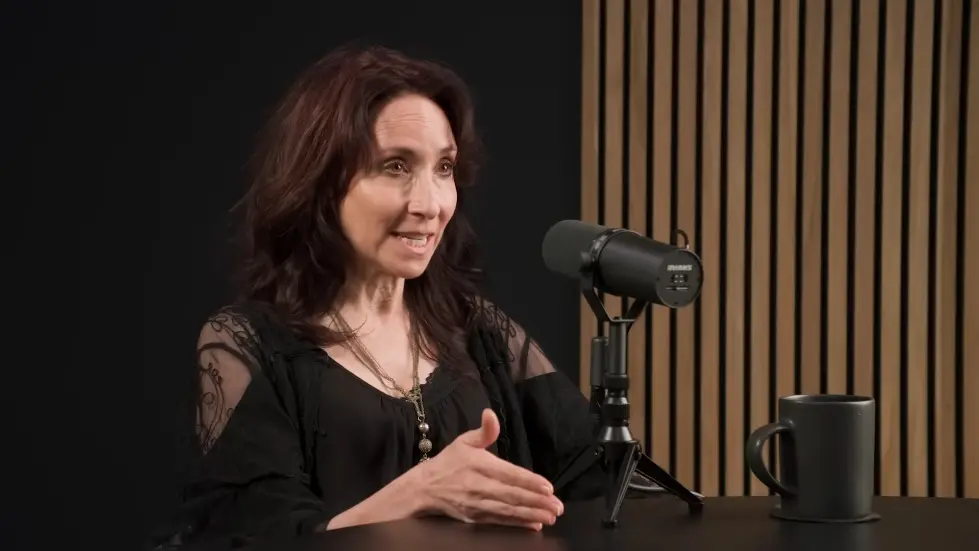
The video is about Dr. Andrew Huberman and Dr. Elissa Epel, a professor of Psychiatry and Behavioral Sciences at the University of California, San Francisco, and her research on stress and its impact on our biology and psychology. Dr. Epel's laboratory focuses on stress and the many impacts it has on our brain and body, both negative and positive. The video discusses how stress changes our telomeres, which are a component of our genetic machinery that impacts how quickly our cells and therefore we age. It also explores how stress impacts our behavioral choices, such as which foods we elect to eat and how we experience those foods. The video also talks about several important stress interventions that Dr. Epel's laboratory has explored, including meditation, breath work, and specific dietary interventions such as omega-3 fatty acid intake. The video emphasizes that stress and stress interventions vary in their effectiveness depending on whether or not the subjects in her experiments are male versus female and their social status.
This video by Andrew Huberman was published on Apr 3, 2023.
Video length: 02:05:51.
The video is about Dr. Elissa Epel, a professor of Psychiatry and Behavioral Sciences at the University of California, San Francisco, and her research on stress and its impact on our biology and psychology.
Dr. Epel's laboratory focuses on stress and the many impacts it has on our brain and body, both negative and positive. The video discusses how stress changes our telomeres, which are a component of our genetic machinery that impacts how quickly our cells and therefore we age. It also explores how stress impacts our behavioral choices, such as which foods we elect to eat and how we experience those foods. The video also talks about several important stress interventions that Dr. Epel's laboratory has explored, including meditation, breath work, and specific dietary interventions such as omega-3 fatty acid intake. The video emphasizes that stress and stress interventions vary in their effectiveness depending on whether or not the subjects in her experiments are male versus female and their social status.
The video also mentions Dr. Epel's books entitled "The Telomere Effect" and "The Stress Prescription."
- Dr. Elissa Epel is a professor of psychiatry and behavioral sciences at the University of California, San Francisco.
- Her laboratory focuses on stress and its impact on our brain and body.
- Stress can change our telomeres, which are a component of our genetic machinery that impacts how quickly our cells and therefore we age.
- Stress can impact our behavioral choices, such as which foods we elect to eat and how we experience those foods.
- Managing stress involves working with our thoughts, diversion, and other tools such as breath work, running, exercise, sleep, non-sleep deep rest, and meditation.
- Stress interventions vary in their effectiveness depending on whether or not the subjects in experiments are male versus female and their social status.
- Young adults, women, and people of color are more likely to experience high levels of stress.
- Older people are less stressed because they have a better perspective on life and stressors.
- Awareness of stress and its effects is important for managing stress and making healthy choices.

Introduction
- Welcome to the Huberman Lab podcast
- Discusses science and science-based tools for everyday life
- Hosted by Andrew Huberman, a professor of neurobiology and ophthalmology at Stanford School of Medicine
- Guest is Dr. Elissa Epel, a professor of psychiatry and behavioral sciences at the University of California, San Francisco

Dr. Elissa Epel's Laboratory
- Focuses on stress and its impact on our brain and body
- Research on stress and its many impacts
- Impact on our behavioral choices, such as which foods we elect to eat and how we experience those foods
- Explores how stress impacts our telomeres, which are a component of our genetic machinery that impacts how quickly our cells and therefore we age

Stress and Telomeres
- Particular forms of stress change our telomeres
- Telomeres are a component of our genetic machinery that impacts how quickly our cells and therefore we age

Stress and Behavioral Choices
- Explores how stress impacts our behavioral choices
- Which foods we elect to eat and how we experience those foods

Stress Interventions
- Discusses several important stress interventions that Dr. Epel's laboratory has explored
- Meditation and breath work can profoundly influence the way that stress impacts our brain and body
- Specific dietary interventions such as omega-3 fatty acid intake impacts stress and our response to stress
- Key and important feature is how stress and stress interventions vary in their effectiveness depending on whether or not the subjects in her experiments are male versus female and their social status

Introduction
- The video is about Dr. Elissa Epel, a professor of Psychiatry and Behavioral Sciences at the University of California, San Francisco, and her research on stress and its impact on our biology and psychology.
- Dr. Epel's laboratory focuses on stress and the many impacts it has on our brain and body, both negative and positive.
- The video discusses how stress changes our telomeres, which are a component of our genetic machinery that impacts how quickly our cells and therefore we age.
- It also explores how stress impacts our behavioral choices, such as which foods we elect to eat and how we experience those foods.

The Different Forms of Stress
- Stress can be good or bad, acute or chronic, and is defined as feeling overwhelmed or feeling like the demands are too much for our resources.
- Much of life is about meeting challenges and we're never going to get rid of different stressful situations in life if anything they are increasing.
- It really comes down to not the stressors of what happens to us but really how we respond to the stress response.
- The field is still trying to get specific about stress in a more specific way so that we can think about well what situations are in your life they might be difficult ongoing situations like caregiving or work stress or worrying about Health your own or someone's.

Managing Stress
- The best way to manage stress is to have some awareness of how our mind works or we're just like you know a subject to thinking our thoughts are real thinking that it's helpful to keep ruminating and problem solving because that's our tendency is to go toward whatever we think there's threat or risk and to problem solve that but you could just be stuck there all day in this kind of thinking.
- It's important to work with our thoughts in the sense that we try and rationalize or understand the basis of the stress.
- We can also try and divert our thinking away from the stressful topic or situation.
- There are other tools that can be used to manage stress, such as breath work, running, exercise, sleep, non-sleep deep rest, and meditation.

The Impact of Stress on Our Biology and Psychology
- Stress can change our telomeres, which are a component of our genetic machinery that impacts how quickly our cells and therefore we age.
- Stress can impact our behavioral choices, such as which foods we elect to eat and how we experience those foods.
- Stress and stress interventions vary in their effectiveness depending on whether or not the subjects in experiments are male versus female and their social status.
- Young adults, women, and people of color are more likely to experience high levels of stress.
- Older people are less stressed because they have a better perspective on life and stressors.

Awareness of Stress and Its Effects
- We come with different levels of awareness of our stress.
- Some people are not aware of their stress because they are in a different stage of life or have control over their environment.
- The older people are less stressed because they have a better perspective on life and stressors.
- Young adults and adults have four times the level of stress as older adults.
- Wisdom and resilience come with age for many people.

Noticing and Releasing Stress
- We might not be aware that we're stressed because we're used to feeling daily stress from our urban and modern life.
- Taking a check-in to notice where in our body we're holding stress is step one to releasing it.
- Going back to the notion of overthinking, there are top-down strategies of awareness and things that we can say to ourselves to release stress.
- The body changes the mind and those are the set of strategies that you tend to use the most.
- Change the scene just getting away from all the stress triggers that we have in our office or in the city and being an environment that we find calming can help release stress.

Strategies for Dealing with Stress
- There are lots of strategies that tackle stress, including top-down strategies of awareness and things that we can say to ourselves to release stress.
- The body changes the mind and those are the set of strategies that you tend to use the most.
- Change the scene just getting away from all the stress triggers that we have in our office or in the city and being an environment that we find calming can help release stress.

Section 1: Introduction to Stress
- The speaker is a visual neuroscientist who studies the impact of stress on our biology and psychology.
- Photographs are powerful cues for the memory system, especially physical photographs.
- Keeping a photograph of something that draws positive memories can be a positive cue for alleviating stress and enhancing mood.
- There are different forms of stress, including short-term, medium-term, and long-term stress.
- Stress can be recognized by its physical and behavioral symptoms, not just by how we feel.

Section 2: Understanding Stress
- Stress gets under the skin and we might not be aware we might not report stress but we're still holding tension and being much more sympathetically dominated.
- The stress response uses a tremendous amount of energy ATP that's made by your mitochondria.
- If we have that kind of vigilant stress response on all day, we're just going to feel exhausted.
- We need to mount a big stress response to cope with things when we need extra energy but then we can actually let our body relax and turn it off.
- Rumination comes and we want to catch ourselves rehearsing and reliving stress or worrying about the next thing saying right now I'm safe and you know there's the breathing strategies I'm right with you where those are the most direct and fast path to reducing stress in the body period.

Section 3: Breathing Strategies for Reducing Stress
- Breathing is unique among the functions of the brain because it really originates as a brain function and extends to the body.
- We can take control of our breathing at any given moment, unlike other body functions.
- There are very few brain circuits that impact the body in that way like I can't suddenly just change my rate of digestion because I decide to.
- Breathing work has been explored in studies, including the Wim Hof method.
- Breathing strategies can be a direct and fast path to reducing stress in the body.

Section 4: Conclusion
- Stress can be acute, moderate, or chronic, and it can impact our physical and behavioral symptoms.
- Noticing and restoring our ability to cope with stress is important for our daily well-being.
- Breathing strategies can be a powerful tool for reducing stress and improving our overall health.
- Understanding the different forms of stress and how they impact our bodies and minds is crucial for managing stress effectively.
- Stress is a complex and multifaceted phenomenon that requires a holistic approach to manage effectively.

Chronically Stressful Situations
- Many people experience chronically stressful situations that they cannot change, such as caregiving.
- These situations can be problem-solving, wishing things were different, or using acceptance strategies to live well with them.
- Chronically stressful situations can take a toll on the body and accelerate cell aging.
- There is variance between people in how they respond to chronic stress.
- Some caregivers look biologically younger than controls, while others do not.

Optimal Aging vs. Accelerated Aging
- Optimal aging is the ideal state of aging, where no stress is present.
- Accelerated aging is the result of toxic, unmitigated stress that makes us feel like we are at the mercy of others.
- Exposure to stress leads to more rapid aging than what is considered ideal.
- Some stress is better than no stress when it comes to aging.
- Telomeres are a component of genetic machinery that impacts how quickly our cells and therefore we age.

Telomere Work
- Telomeres are a component of genetic machinery that impacts how quickly our cells and therefore we age.
- Telomere work involves studying the effects of stress on telomeres and how they impact aging.
- Telomeres can be measured to distinguish between optimal aging and accelerated aging.
- Some stress is better than no stress when it comes to aging.
- Telomere work can provide insights into the mechanisms behind optimal aging.

Hippocampal Growth
- Hippocampal growth is a measure of brain health and cognitive function.
- Hippocampal growth can be measured through imaging studies.
- Hippocampal growth is influenced by stress and can be impacted by chronic stress.
- Hippocampal growth can be used to measure the impact of stress on cognitive function.
- Hippocampal growth can be used to measure the impact of stress on well-being.

The Effects of Stress on Memory and Cognition
- Stress can impact the formation of new neurons in the brain, with some studies suggesting that it is not the main reason for improvements in memory.
- Even terminally ill or old individuals can still generate new neurons, especially in the context of trying to learn and acquire new information.
- Daily stressful events can impact cognitive health, with a small percentage of people reporting no stressors having lower levels of memory and cognition.
- Exercise can lower blood pressure, reduce resting heart rate, and improve musculoskeletal function and bone density, but it can also increase stress hormones like cortisol immediately after a hard workout.
- Short bouts of stress, when managed well, can be beneficial for us by mobilizing energy stores and potentially changing our threshold for reacting to stressors in the future.

The Impact of Stress on Aerobic Fitness and Stress Resilience
- Physical stressors, such as high-intensity interval training, can promote not just aerobic fitness but also stress fitness, leading to less rumination, less depression, and less anxiety.
- Engagement with moderate stressors can build stress resilience, meaning we are less threatened by them and have a stronger ability to cope with stressors.
- Two people can approach the same stressor differently, with one person experiencing a high cortisol and vasoconstriction response while the other person views it as a challenge and opportunity.
- The hemodynamic response generated by thoughts of challenge and threat can impact blood pressure and oxygenation to the brain, with the challenge response leading to better problem-solving abilities and a slower rate of aging.

Section 1: Types of Psychological Stress Response
- There are two types of psychological stress response: threatened and challenge.
- Threatened response feels threatened, like failure or embarrassment, and has a huge stress response with thoughts that go with it.
- Challenge response is an activated, excited response that can be promoted through emotions and social psychology studies.
- Having a repeated stress response can be good if it's manageable, as it builds the muscle of stress resilience.

Section 2: Athletic Greens Sponsorship
- Athletic Greens is a vitamin, mineral, probiotic drink that covers all foundational nutritional needs.
- Probiotics in Athletic Greens are optimal and vital for microbiotic health.
- Athletic Greens also contains adaptogens, vitamins, and minerals that meet foundational nutritional needs.
- Athletic Greens tastes great and can be taken twice a day.

Section 3: Challenge Response and Mental Scripts
- The challenge response is a mental pivot to okay, this is a great opportunity for growth.
- Some specific mental scripts can be followed to prepare oneself for a stressful situation.
- We can use mental scripts at any point during the stress response to recover more quickly.
- Trauma can sensitize our emotional stress response, but self-compassion and awareness can help recover.

Section 4: Actionable Steps to Shift from Threatened to Challenge Response
- A mere shift in mentality about stress can give the opposite outcome.
- There is no data that dictates whether or not to keep mental scripts in one's head, write them down, or say them out loud.
Section 1: Stress and Its Impact on Eating
- Stress can change our telomeres, which are a component of our genetic machinery that impacts how quickly our cells and therefore we age.
- Stress impacts our behavioral choices, such as which foods we elect to eat and how we experience those foods.
- Stress can lead to overeating or undereating, depending on the individual and the situation.
- Stress can affect our metabolism and digestion, leading to changes in appetite and food intake.
- Stress can also impact our overall health and well-being, leading to chronic conditions such as obesity and diabetes.

Section 2: Stress and Its Impact on Metabolism
- Stress can lead to changes in hormone levels, such as increased levels of cortisol and adrenaline, which can affect metabolism.
- Stress can also lead to changes in insulin sensitivity, which can impact blood sugar levels and metabolism.
- Stress can affect the breakdown and storage of fat, leading to changes in body composition and metabolism.
- Stress can also impact the production and utilization of energy, leading to changes in metabolism and overall health.
- Stress can affect the gut microbiome, which plays a crucial role in metabolism and overall health.

Section 3: Stress and Its Impact on Aging
- Stress can lead to changes in telomere length, which is a component of our genetic machinery that impacts how quickly our cells and therefore we age.
- Stress can also lead to changes in gene expression, which can impact aging and overall health.
- Stress can affect the production and utilization of antioxidants, which can impact oxidative stress and aging.
- Stress can also impact the production and utilization of collagen, which is a protein that helps maintain the structure of our skin and other tissues.
- Stress can affect the production and utilization of melatonin, which is a hormone that helps regulate sleep and overall health.

Section 4: Stress Interventions
- Meditation can be an effective stress intervention, as it can help reduce stress hormone levels and improve overall well-being.
- Breath work can also be an effective stress intervention, as it can help reduce stress hormone levels and improve overall well-being.
- Specific dietary interventions, such as omega-3 fatty acid intake, can also be effective stress interventions.
- Exercise can be an effective stress intervention, as it can help reduce stress hormone levels and improve overall well-being.
- Social support can also be an effective stress intervention, as it can help reduce stress hormone levels and improve overall well-being.

The Impact of Stress on Eating and Metabolism
- Stress can lead to changes in telomeres, which are a component of our genetic machinery that impacts how quickly our cells and therefore we age.
- Stress can impact our behavioral choices, such as which foods we elect to eat and how we experience those foods.
- Stress can lead to overeating or binge eating when we're emotional or stressed.
- Stress can exacerbate a tendency to compulsive eating and make it harder to control our eating.
- Stress can lead to weight gain, particularly in the intra-abdominal area.

Stress and the Opioid System
- The opioid system is involved in studies with people with obesity and lean people.
- People with obesity have a different reward response and their Reward Center lights up during stress.
- The opioid system reacted in a particularly potent way to food in people who became binge eaters in the context of stress.

Stress and Dietary Interventions
- Different interventions can be explored to block the compulsive eating associated with stress.
- Meditation, breath work, and specific dietary interventions such as omega-3 fatty acid intake have been explored as stress interventions.

The Impact of Stress on Eating and Metabolism
- Stress can lead to insulin insensitivity, which means that people need to eat more in order to feel satisfied.
- The developmental path that leads to obesity is characterized by a tendency towards having a bigger reward response and hunger during stress, which becomes a way of coping with stress.
- Some obese people have a dysregulated stress response, which can contribute to their obesity.
- Interventions that target people with cravings, such as Naltrexone, can be effective in reducing the compulsive eating behavior associated with stress.
- The challenge for people prone to obesity is the toxic food environment, particularly refined sugar, which can override the effects of any drugs or interventions.

Section 1: Understanding the Effects of Stress on Eating and Metabolism
- Stress can change our telomeres, which are a component of our genetic machinery that impacts how quickly our cells and therefore we age.
- Stress can impact our behavioral choices, such as which foods we elect to eat and how we experience those foods.
- Stress can increase cravings for unhealthy foods.
- Stress can negatively impact our metabolism.
- Stress can lead to binge eating or using food to comfort or alleviate stress.

Section 2: Behavioral Interventions to Manage Stress and Eating
- Changing the body: This can involve physical exercise, dietary changes, and other lifestyle modifications to reduce stress and improve overall health.
- Changing the scene: This can involve creating a relaxing environment, such as a quiet space to meditate or practice relaxation techniques.
- Mindful awareness: This can involve training individuals to separate their emotions from hunger, and to label their hunger on a scale of 1-10 to better understand their true hunger level.
- Top-down strategies: This can involve using a combination of mindfulness, cognitive-behavioral therapy, and other interventions to help individuals manage stress and make healthier food choices.
- Bottom-up strategies: This can involve creating safe environments, such as removing sugary drinks from the workplace, to help individuals make healthier food choices and reduce stress.

Section 3: Case Studies and Examples of Effective Interventions
- Individuals who have developed a pathway for compulsive eating can benefit from training in mindful awareness and labeling their hunger to better understand their true hunger level.
- Creating safe environments, such as removing sugary drinks from the workplace, can help individuals make healthier food choices and reduce stress.
- Randomizing individuals to receive extra support, such as motivational interviewing, can help them set goals and make healthier food choices.
- Controlled trials have shown that stopping the sale of sugary drinks in hospitals can improve the health of heavy drinkers and those with compulsive eating.

Section 4: Conclusion and Future Directions
- Stress can have a significant impact on our eating habits and metabolism, and it is important to develop effective interventions to manage stress and make healthier food choices.
- Behavioral interventions, such as mindful awareness and creating safe environments, can be effective in managing stress and reducing cravings for unhealthy foods.
- Controlled trials and randomized studies can help identify the most effective interventions for managing stress and improving health outcomes.
- Future research should continue to explore the relationship between stress and eating, and develop new interventions to help individuals manage stress and make healthier food choices.

Section 1: Drinking Soda
- The speaker discusses their past consumption of soda, which they describe as a "default" beverage.
- They mention that they now prefer coffee or yerba mate tea over soda.
- The speaker notes that they occasionally drink diet soda, but only on special occasions like planes.
- They mention that they prefer coffee or yerba mate soda over regular soda or food.
- The speaker reflects on how soda was a "rewarding" beverage for them as a teenager.

Section 2: Sugary Drinks
- The speaker discusses the negative effects of drinking sugar in the form of liquid, including the lack of essential nutrients and the harmful impact on insulin and glucose regulation.
- They mention that soda is one of the "worst culprits" when it comes to sugary drinks.
- The speaker notes that energy drinks are also a popular choice among young people, especially males.
- They mention that the packaging and marketing of sugary drinks may contribute to their popularity.
- The speaker reflects on the potential role of stress in the consumption of sugary drinks.

You have read 50% of the summary.
To read the other half, please enter your Name and Email. It's FREE.
You can unsubscribe anytime. By entering your email you agree to our Terms & Conditions and Privacy Policy.
Watch the video on YouTube:
Dr. Elissa Epel: Control Stress for Healthy Eating, Metabolism & Aging | Huberman Lab Podcast - YouTube
Related summaries of videos:
- Andrew Huberman and Dr. Matthew MacDougall: Neuralink and Technologies to Enhance Human Brains (Huberman Lab Podcast)
- Andrew Huberman: Science-Based Mental Training and Visualization for Improved Learning (Huberman Lab Podcast)
- Dr. Noam Sobel and Dr. Andrew Huberman: How Smells Influence Our Hormones, Health and Behavior (Huberman Lab Podcast)
- Andrew Huberman: How Psilocybin Can Rewire Our Brain, Its Therapeutic Benefits and Its Risks (Huberman Lab Podcast)
- Dr. Susanna Søberg and Dr. Andrew Huberman: How to Use Cold & Heat Exposure to Improve Your Health | Huberman Lab Podcast
- Dr. Robin Carhart-Harris and Dr. Andrew Huberman: The Science of Psychedelics for Mental Health (Huberman Lab Podcast)
- Andrew Huberman: Adderall, Stimulants and Modafinil for ADHD: Short- and Long-Term Effects (Huberman Lab Podcast)
- Dr. Mary Helen, Immordino-Yang and Dr. Andrew Huberman: How Emotions and Social Factors Impact Learning (Huberman Lab Podcast)
- Andrew Huberman: The Science of MDMA and Its Therapeutic Uses - Benefits and Risks (Huberman Lab Podcast)
- Tim Ferriss and Andrew Huberman: How to Learn Better and Create Your Best Future (Huberman Lab Podcast)
- Home
- About us
- Contact
- Book Summaries 0-9
- Book Summaries A
- Book Summaries B
- Book Summaries C
- Book Summaries D
- Book Summaries E
- Book Summaries F
- Book Summaries G
- Book Summaries H
- Book Summaries I
- Book Summaries J
- Book Summaries K
- Book Summaries L
- Book Summaries M
- Book Summaries N
- Book Summaries O
- Book Summaries P
- Book Summaries Q
- Book Summaries R
- Book Summaries S
- Book Summaries T
- Book Summaries U
- Book Summaries V
- Book Summaries W
- Book Summaries X
- Book Summaries Y
- Book Summaries Z
- Jay Shetty Podcast - Summaries
- Tom Bilyeu Impact Theory - Summaries
- Lex Fridman - Summaries
- Diary of a CEO - Summaries
- Alex Hormozi - Summaries
