
Daniel Lieberman and Steven Bartlett: Harvard Professor: REVEALING The 7 Big LIES About Exercise, Sleep, Running, Cancer & Sugar
Last updated: Nov 2, 2023
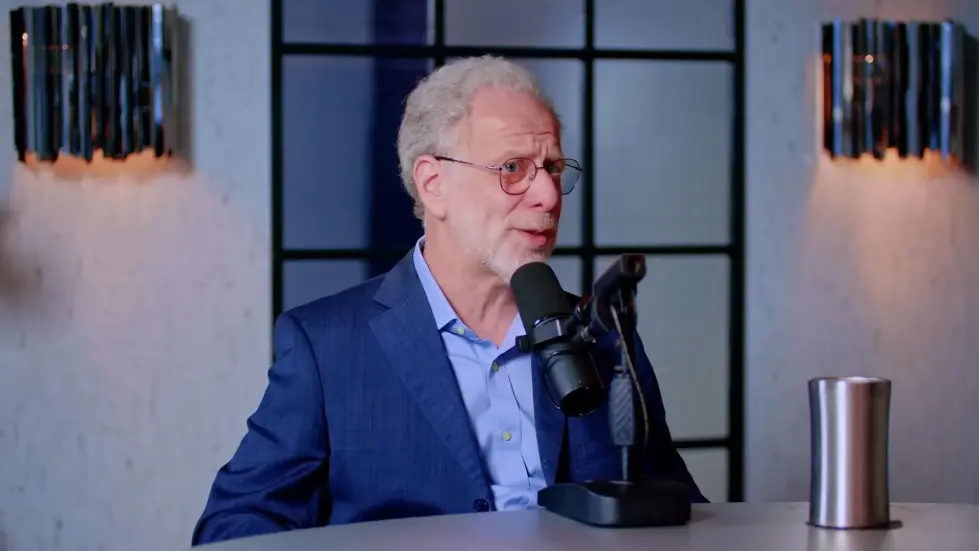
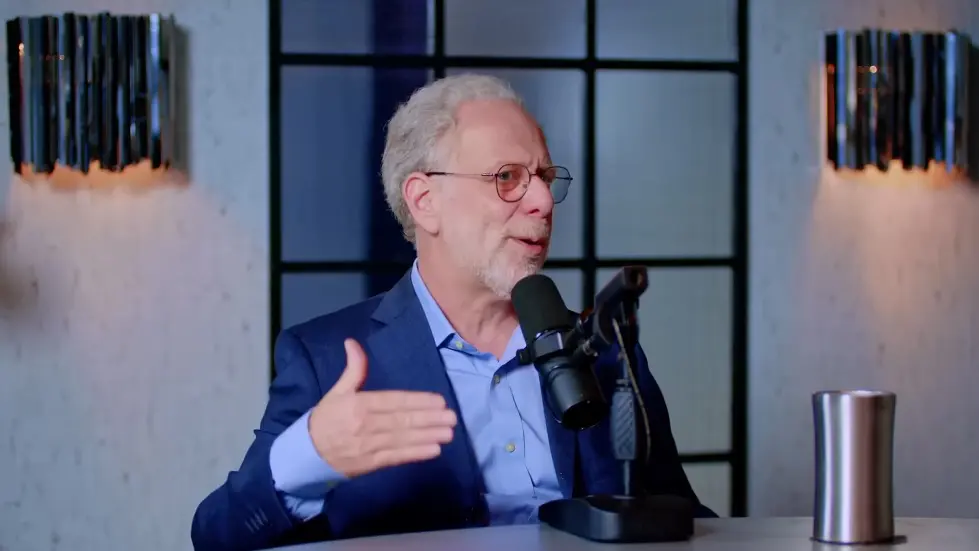
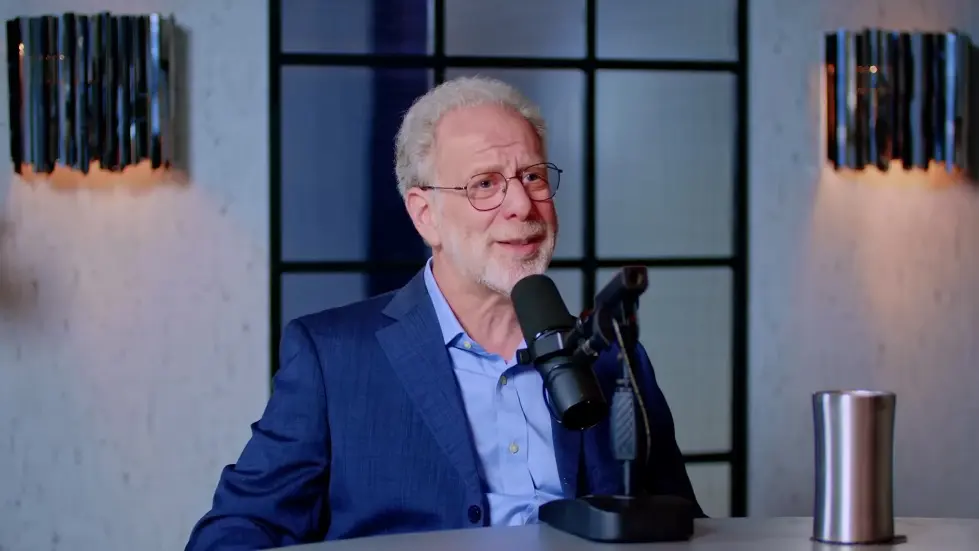
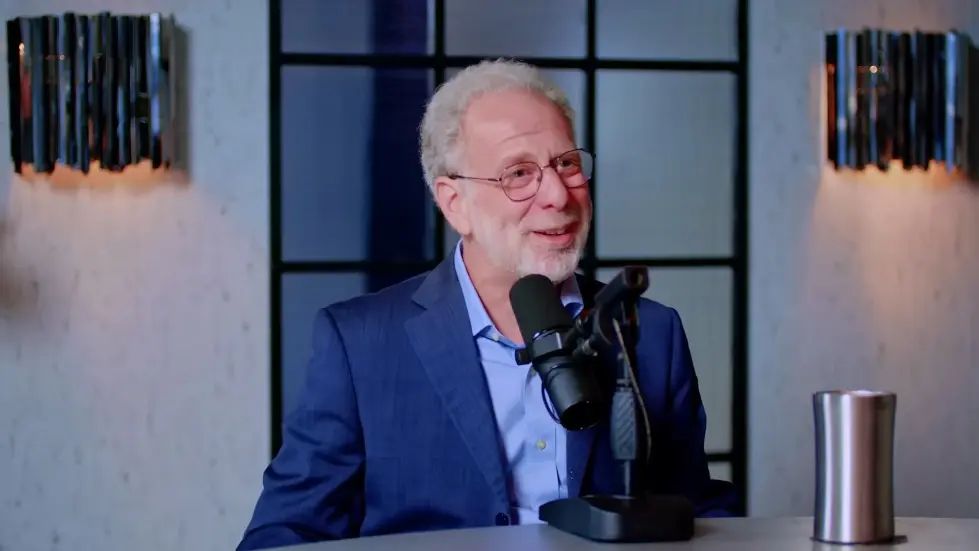
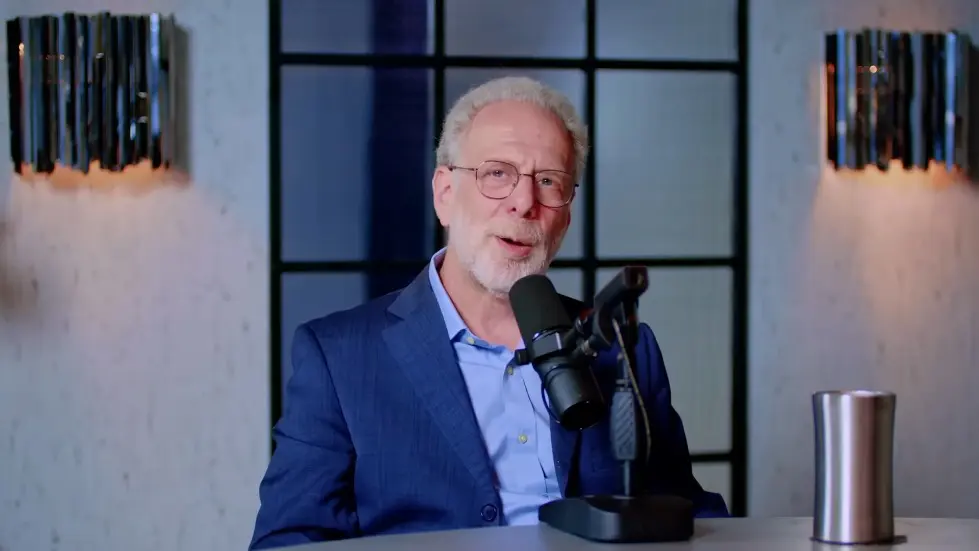
The video by Steven Bartlett is about a Harvard Professor named Daniel Lieberman who studies and teaches humans about exercise, disease, sleep, nutrition, and cancer. He discusses how humans are supposed to live as physically active beings, but now most people are sedentary and this is leading to health problems such as cancer, depression, and anxiety. He also talks about how exercise can prevent these diseases and how it can improve overall health. The video also touches on the importance of sleep and nutrition in maintaining good health.
This video by The Diary Of A CEO was published on Jul 10, 2023.
Video length: 01:29:25.
The video is about a Harvard Professor named Daniel Lieberman who studies and teaches humans about exercise, disease, sleep, nutrition, and more.
He believes that humans are supposed to be very physically active, but now most people in the Western world are not. He argues that many diseases, such as cancer, depression, and anxiety, can be prevented with physical activity. He also talks about the importance of doing weights, especially as you age, and how it can help prevent muscle loss. The professor also discusses the negative effects of retirement on physical activity and how it can lead to a vicious cycle of losing muscle and becoming less active. He suggests that people should not retire and instead find ways to stay active.
The video also touches on the concept of evolutionary medicine and how it applies to health and disease.
- Exercise is important for maintaining good health.
- It can prevent diseases such as cancer, depression, and anxiety.
- Women who get 150 minutes of physical activity a week have a lower risk of breast cancer.
- Exercise is a preventable disease, yet only 75% of the time it is not included in medical budgets for prevention.
- The problem is that people spend three percent of their medical budgets on prevention, yet 75% of the time the disease is preventable.
- Humans are supposed to live as physically active beings.
- Evolutionarily, humans are designed to be active and work in fields such as hunting and gathering.
- Now, most people are sedentary, leading to health problems such as cancer, depression, and anxiety.
- Exercise can improve overall health and prevent diseases.

The Importance of Exercise
- Exercise is important for maintaining good health.
- It can prevent diseases such as cancer, depression, and anxiety.
- Women who get 150 minutes of physical activity a week have a lower risk of breast cancer.
- Exercise is a preventable disease, yet only 75% of the time it is not included in medical budgets for prevention.
- The problem is that people spend three percent of their medical budgets on prevention, yet 75% of the time the disease is preventable.

The Evolution of Humans
- Humans are supposed to live as physically active beings.
- Evolutionarily, humans are designed to be active and work in fields such as hunting and gathering.
- Now, most people are sedentary, leading to health problems such as cancer, depression, and anxiety.
- Exercise can improve overall health and prevent diseases.

The Benefits of Strength Training
- Strength training is important for maintaining muscle mass as people age.
- It can improve overall health and prevent diseases.
The Importance of Sleep and Nutrition
- Sleep and nutrition are important for maintaining good health.
- They can prevent diseases such as cancer, depression, and anxiety.

The Myths of Exercise
- There are many myths surrounding exercise, such as the idea that it is only for the young or that it is only for athletes.
- Exercise can be done at any age and for any fitness level.

The Benefits of Running
- Running can improve overall health and prevent diseases.
- It can be done at any age and for any fitness level.

The Importance of Evolutionary Medicine
- Evolutionary medicine is a field of study that applies evolutionary theory and data to issues of health and disease.
- It can provide a more comprehensive understanding of how bodies work and how they evolve to be healthy.

The Concept of Training
- The concept of training does not exist in some languages.
- The translator struggled to explain the question to an elderly man who was famous for distance running.
- The man did not understand the concept of training and asked why anyone would run if they did not have to.
- Exercise is a very weird thing, as it is not a natural or human activity.
- Farmers and hunter-gatherers are examples of people who are physically active every day.

Biggest Myths in Exercise
- Going to gyms and practicing exercise is not natural or human.
- Sitting is when you're smoking, but it turns out that all animals sit.
- Sitting is not special in today's life, as people sit all day long and don't do anything when they're not sitting.
- Interrupted sitting is more healthy than non-interrupted sitting.
- People who get up every once in a while are healthier than those who do not.

Sitting and Sleep
- Sitting is not special in today's life, as people sit all day long and don't do anything when they're not sitting.
- People who get up every once in a while are healthier than those who do not.
- Sleep is not an eight-hour requirement, as people who do not have electricity or TVs sleep like six to seven hours a night.
- Seven hours of sleep is the optimal amount for cardiovascular health and reducing the risk of death.

Sleep
- Sleep is important for overall health.
- Seven hours of sleep is optimal for most people.
- There is variation in sleep needs based on age and gender.
- Sleep is not always easy for everyone, and there may be biases in how data is analyzed.
- Sleep is not a perfect number, but it is a reasonable goal to aim for.
Exercise
- Exercise is important for overall health.
- Taking 10,000 steps a day is a popular goal, but it is not a perfect number.
- The average hunter-gatherer walks between 10,000 and 18,000 steps per day.
- Resistance training is important for maintaining muscle mass as we age.
- Physical activity slows senescence, which is the way our bodies degrade as we get older.

Running
- Running is a form of exercise that is beneficial for overall health.
- Running is not the only form of exercise that is beneficial for overall health.
- Running can be done in different ways, such as endurance or strength training.
- Running can help slow senescence, which is the way our bodies degrade as we get older.
- Running is not a perfect number, but it is a reasonable goal to aim for.
Cancer
- Exercise can help prevent cancer.
- Exercise can improve overall health and reduce the risk of cancer.
- Exercise can help maintain muscle mass as we age, which is important for preventing cancer.
- Exercise can help slow senescence, which is the way our bodies degrade as we get older.
- Exercise is not a cure for cancer, but it can help prevent it.

Sugar
- Sugar is not necessarily bad for you.
- Sugar can be part of a healthy diet.
- Sugar can be added to many foods and drinks.
- Sugar can be consumed in moderation as part of a healthy diet.
- Sugar is not a perfect number, but it is a reasonable goal to aim for.

The Benefits of Exercise
- Exercise has benefits that slow the aging process.
- Physical activity turns on an amazing suite of physiological processes that counter aging.
- Exercise keeps our muscles strong.
- Exercise keeps our DNA from accruing mutations.
- Exercise keeps our mitochondria numbers high.
- Exercise keeps the cells in our brain from accumulating gunk, preventing Alzheimer's and other forms of dementia.

The Negative Effects of Retirement
- Retirement can accelerate aging.
- Retirement can lead to depression and anxiety.
- Retirement can lead to less physical activity, which has enormous effects on every aspect of our body.
- Retirement can make people more vulnerable to a wide suite of diseases.

The Importance of Physical Activity
- Physical activity is important not just for physical health but also for mental health.
- Depression and anxiety can be attributed to loss of physical activity.
- As people age, becoming less physically active makes them more vulnerable to a wide suite of diseases.

The Study by Ralph Paffenbarger
- Ralph Paffenbarger followed a series of Harvard alumni for 25-30 years.
- The alumni who exercised had lower death rates as they got older.
- Exercise becomes more important for maintaining health as people get older.

The Importance of Exercise
- Exercise can prevent diseases such as cancer, depression, and anxiety.
- Exercise can improve overall health and well-being.
- Exercise can lower the risk of cardiovascular disease, diabetes, and Alzheimer's dementia.
- Exercise has important mechanistic effects on these diseases.
- Physical activity is a fundamental aspect of human health and well-being.

The Role of Genetics
- Genetics can play a role in predisposing individuals to certain diseases.
- However, environment is more important in determining health outcomes.
- Genetics can influence an individual's response to environmental factors.
- Genetics can also interact with environmental factors to determine health outcomes.
- It is important to consider both genetic and environmental factors when assessing an individual's health risk.

The Importance of Sleep
- Sleep is essential for physical and mental health.
- Sleep can improve memory, mood, and cognitive function.
- Sleep can also help regulate hormones and metabolism.
- Lack of sleep can increase the risk of chronic diseases such as obesity, diabetes, and cardiovascular disease.
- It is important to prioritize sleep and maintain a healthy sleep schedule.

The Importance of Nutrition
- Nutrition plays a crucial role in maintaining good health and preventing chronic diseases.
- A balanced diet can provide the necessary nutrients for optimal health.
- Eating a diet rich in fruits, vegetables, whole grains, and lean protein can help reduce the risk of chronic diseases.
- It is important to limit intake of processed and high-sugar foods.
- Consulting with a healthcare professional or registered dietitian can help individuals develop a healthy eating plan.
Conclusion
- Exercise, sleep, nutrition, and other lifestyle factors are all important for maintaining good health.
- It is important to prioritize these factors and make them a regular part of one's daily routine.
- Consulting with healthcare professionals and other experts can help individuals develop a healthy lifestyle plan.
- Regular physical activity, adequate sleep, and a balanced diet can help reduce the risk of chronic diseases and improve overall health and well-being.
- It is never too late to make changes to one's lifestyle to improve health and well-being.

The Importance of Physical Activity
- Humans are supposed to live as physically active beings.
- Now most people are sedentary, leading to health problems such as cancer, depression, and anxiety.
- Exercise can prevent these diseases and improve overall health.
- Physical activity is important for maintaining good health.

The Evolution of Humans
- People evolved to be physically active.
- Humans are rewarded for being physically active.
- Making physical activity rewarding is hard.
- Physical activity is necessary for humans.

The Benefits of Physical Activity
- Physical activity can prevent diseases such as Alzheimer's, high blood pressure, and cardiovascular diseases.
- Many of these diseases are preventable.
- Prevention is not valued in our society.
- Preventing diseases is not hard.

The Impact of Disease on Human History
- Some diseases are hard to measure in non-western populations.
- Cancer rates have been rising and are more common in the western world.
- There is a strong association between cancer and wealth.
- Cancer is a disease of energy.

The Role of Hormones in Reproduction
- Hormones such as estrogen, progesterone, and testosterone are important for good health and reproduction.
- Evolutionarily, humans were designed to have as many babies as possible.
- However, having more babies does not necessarily translate into better health.
- Increased levels of estrogen and progesterone can increase the risk of certain diseases, such as breast cancer and prostate cancer.
- Testosterone can also increase the risk of prostate cancer.

The Benefits of Physical Activity
- Physically active individuals have lower levels of estrogen, progesterone, and testosterone.
- They also have lower levels of insulin and blood sugar.
- Physical activity can lower the risk of many types of cancer, including breast cancer and prostate cancer.
- On average, physically active individuals have lower rates of almost every type of cancer.
- Women who walk 150 minutes a week have lower lifetime breast cancer risks than sedentary women.

The Importance of Education and Prevention
- Despite the well-known benefits of physical activity, cancer prevention is not widely discussed.
- Epidemiological and mechanistic data show the link between physical activity and cancer prevention.
- Insulin levels are linked to cancer risk.
- Sugar and high glycemic foods can elevate blood glucose and insulin levels.
- Exercise can help regulate inflammation and control the immune system.
The Link Between Inflammation and Cancer
- Inflammation is a primary cause of systemic inflammation and inflammation is linked to widespread damage in the body.
- Too much adiposity (fat cells) can cause inflammation and damage to cells.
- Exercise can help prevent inflammation by reducing insulin levels and regulating the immune system.
- Regular exercise can help prevent chronic diseases such as cancer, heart disease, and diabetes.
- Physical activity can help reduce the risk of many types of cancer, including breast cancer, prostate cancer, and colon cancer.

You have read 50% of the summary.
To read the other half, please enter your Name and Email. It's FREE.
You can unsubscribe anytime. By entering your email you agree to our Terms & Conditions and Privacy Policy.
Watch the video on YouTube:
Harvard Professor: REVEALING The 7 Big LIES About Exercise, Sleep, Running, Cancer & Sugar!!! - YouTube
Related summaries of videos:
- Daniel Ek Spotify Founder on The Diary of a CEO with Steven Bartlett: How A 23 Year Old Introvert Built A $31 Billion Business!
- Jada Pinkett Smith on The Diary of a CEO with Steven Bartlett (EXCLUSIVE): “I Just wanted to stay alive until 4pm!”
- Dr. Daniel Amen on The Diary of a CEO with Steven Bartlett - Do you have ADHD?
- Morgan Housel The Savings Expert on The Diary of a CEO with Steven Bartlett: “Do Not Buy A House!” Do THIS Instead!
- Casey Neistat with Steven Bartlett (The Diary of a CEO): Why I Quit YouTube & What I'm Doing Now!
- Kristen Holmes and Steven Bartlett: The Fitness Scientist: Even A Little Alcohol Is Hurting Your Health!
- Jim Kwik and Steven Bartlett - The Memory Expert: Do You Want A Perfect Memory?
- Mia Khalifa Opens Up About The Dark Side Of The Adult Entertainment Industry | E248
- The No.1 Sex Expert: How To Have Great Sex EVERY Time! (And Fix Bad Sex) - Tracey Cox | E247
- 10 Life-changing Lessons From The Longest Ever Study On Human Happiness! Dr. Robert Waldinger | E246
- Home
- About us
- Contact
- Book Summaries 0-9
- Book Summaries A
- Book Summaries B
- Book Summaries C
- Book Summaries D
- Book Summaries E
- Book Summaries F
- Book Summaries G
- Book Summaries H
- Book Summaries I
- Book Summaries J
- Book Summaries K
- Book Summaries L
- Book Summaries M
- Book Summaries N
- Book Summaries O
- Book Summaries P
- Book Summaries Q
- Book Summaries R
- Book Summaries S
- Book Summaries T
- Book Summaries U
- Book Summaries V
- Book Summaries W
- Book Summaries X
- Book Summaries Y
- Book Summaries Z
- Jay Shetty Podcast - Summaries
- Tom Bilyeu Impact Theory - Summaries
- Lex Fridman - Summaries
- Diary of a CEO - Summaries
- Alex Hormozi - Summaries
