
Detransitioner Chloe Cole and Jordan Peterson: The Wounds That Won't Heal
Last updated: Nov 2, 2023
The video by Jordan Peterson is about a young woman named Chloe Cole who started transitioning from female to male at the age of 12 and had a double mastectomy at 15. She is now an advocate against gender ideology and is seeking legal action against the medical professionals who aided her in her transition. The video discusses the challenges and negative emotions that girls experience before and during puberty, and how women are more sensitive to negative emotions on average than men.
This video by Jordan B Peterson was published on Jan 3, 2023.
Video length: 02:07:37.
The video is about a young woman named Chloe Cole who started transitioning from male to female at the age of 12 and had a double mastectomy at the age of 15.
However, she stopped transitioning at the age of 16 and is now an advocate against gender ideology. She talks about her experience and the challenges she faced during her transition, including the lack of thoroughness in the process and the negative emotions she experienced before and during puberty.
She also discusses the differences in negative emotion levels between boys and girls and how they increase during puberty.
- Informed consent is necessary for transitioning.
- It means understanding what is being consented to.
- All issues relevant to the psychological and medical front must be discussed.
- All options available and their pros and cons must be explained.
- It is impossible to do this with any degree of thoroughness in less than six months of weekly therapy.
- Chloe started transitioning at the age of 12.
- She couldn't fully understand the implications of transitioning.
- She couldn't consent to the transition.
- She experienced sexual dysfunction at the age of 18.
- Chloe is an 18-year-old so-called d-transitioner from the Central Valley of California.
- She started transitioning at the age of 12 with puberty blockers and testosterone.
- She had a double mastectomy at the age of 15.
- She is now a strong advocate against gender ideology and seeks legal action against those who aided her in her transition.
- Chloe started experiencing gender dysphoria at the age of 12.
- She saw a therapist and received a diagnosis.
- She started transitioning at the age of 13 with blockers and then moved on to hormones.
- She had a double mastectomy at the age of 15.
- She stopped transitioning at the age of 16.
- Sexual dimorphism emerges at puberty, making boys and girls evenly matched physically.
- Once puberty kicks in, boys are taller, stronger, and heavier, and much stronger in terms of upper body strength.
- Women are at a disadvantage physically in relationship to anything that might have to do with physical combat and such.
- Women are more sensitive to threat due to their vulnerability sexually and their primary responsibility for infants and children.
- Women's nervous systems are adapted for the mother-child dyad, making them more threat-sensitive.
- Puberty can cause complexities of physiological transformation at a young age, making it difficult to handle emotionally.
- Hormonal turbulence that emerges as a consequence of the onset of puberty can cause high levels of negative emotion, focused on the body.
- Negative emotions associated with female self-consciousness tend to focus on body shame and self-consciousness.
- Women are evaluated more harshly by men and by each other in terms of their physical attractiveness, making it complicated for girls transitioning into puberty.
- Girls who are depressed and anxious during puberty often develop an intense focus on their body.
- Socialization plays a role in shaping one's gender identity and can make it difficult to fit in with others.
- Girls who are tomboys or on the spectrum may struggle to fit in with other girls growing up.
- As girls hit puberty, they may become more sex-oriented and find it harder to fit in with their peers.
- There is often a divide between girls and boys, with loneliness being a common experience for both genders.
- Girls may feel like they don't fit in with their peers, while also losing their connection with some of their friends.
- Chloe Cole started transitioning from female to male at the age of 12 and had a double mastectomy at 15.
- She is now an advocate against gender ideology and is seeking legal action against the medical professionals who aided her in her transition.
- The challenges and negative emotions that girls experience before and during puberty can make them more vulnerable to gender ideology.
- Women are more sensitive to threat due to their vulnerability sexually and their primary responsibility for infants and children.
- Chloe Cole's experience highlights the negative consequences of gender ideology and the need for legal action to protect vulnerable individuals.
- Chloe Cole grew up in a very image-oriented and sex-oriented society.
- She was born into a family where bodies that are very voluptuous and curvy are glorified.
- Before puberty, she was looking forward to having a developed body and eventually going through breast development.
- Once she hit puberty, she was disappointed with how she looked as she was very thin and had a smaller chest.
- She felt like she didn't look like the other girls her age and felt unattractive.
- Chloe Cole had body image issues growing up.
- She often felt self-conscious and uncomfortable when talking to people.
- She felt nervous and sweaty when on stage.
- She experienced high levels of negative emotion and self-consciousness.
- Chloe Cole often talks about how social media played a role in her body image issues.
- She feels like social media glorifies bodies that are very voluptuous and curvy.
- Chloe Cole is on the autistic spectrum.
- She has an easier time communicating with boys than with girls.
- Women are higher in negative emotion and more agreeable, while men are more reliably interested in things.
- Chloe Cole is tilted towards the autistic end of the spectrum, which makes it more difficult for her to communicate with girls.
The Wounds That Won't Heal | Detransitioner Chloe Cole | EP 319 - YouTube

Consent in Transition
- Informed consent is necessary for transitioning.
- It means understanding what is being consented to.
- All issues relevant to the psychological and medical front must be discussed.
- All options available and their pros and cons must be explained.
- It is impossible to do this with any degree of thoroughness in less than six months of weekly therapy.

Starting Transition at a Young Age
- Chloe started transitioning at the age of 12.
- She couldn't fully understand the implications of transitioning.
- She couldn't consent to the transition.
- She experienced sexual dysfunction at the age of 18.

Chloe's Story
- Chloe is an 18-year-old so-called d-transitioner from the Central Valley of California.
- She started transitioning at the age of 12 with puberty blockers and testosterone.
- She had a double mastectomy at the age of 15.
- She is now a strong advocate against gender ideology and seeks legal action against those who aided her in her transition.

The Wounds That Won't Heal | Detransitioner Chloe Cole | EP 319 - YouTube
Chloe's Experience
- Chloe started experiencing gender dysphoria at the age of 12.
- She saw a therapist and received a diagnosis.
- She started transitioning at the age of 13 with blockers and then moved on to hormones.
- She had a double mastectomy at the age of 15.
- She stopped transitioning at the age of 16.

Sexual Dimorphism and Physical Strength
- Sexual dimorphism emerges at puberty, making boys and girls evenly matched physically.
- Once puberty kicks in, boys are taller, stronger, and heavier, and much stronger in terms of upper body strength.
- Women are at a disadvantage physically in relationship to anything that might have to do with physical combat and such.
- Women are more sensitive to threat due to their vulnerability sexually and their primary responsibility for infants and children.
- Women's nervous systems are adapted for the mother-child dyad, making them more threat-sensitive.

Negative Emotions and Puberty
- Puberty can cause complexities of physiological transformation at a young age, making it difficult to handle emotionally.
- Hormonal turbulence that emerges as a consequence of the onset of puberty can cause high levels of negative emotion, focused on the body.
- Negative emotions associated with female self-consciousness tend to focus on body shame and self-consciousness.
- Women are evaluated more harshly by men and by each other in terms of their physical attractiveness, making it complicated for girls transitioning into puberty.
- Girls who are depressed and anxious during puberty often develop an intense focus on their body.

Socialization and Gender Identity
- Socialization plays a role in shaping one's gender identity and can make it difficult to fit in with others.
- Girls who are tomboys or on the spectrum may struggle to fit in with other girls growing up.
- As girls hit puberty, they may become more sex-oriented and find it harder to fit in with their peers.
- There is often a divide between girls and boys, with loneliness being a common experience for both genders.
- Girls may feel like they don't fit in with their peers, while also losing their connection with some of their friends.

De-Transitioning and Legal Action
- Chloe Cole started transitioning from female to male at the age of 12 and had a double mastectomy at 15.
- She is now an advocate against gender ideology and is seeking legal action against the medical professionals who aided her in her transition.
- The challenges and negative emotions that girls experience before and during puberty can make them more vulnerable to gender ideology.
- Women are more sensitive to threat due to their vulnerability sexually and their primary responsibility for infants and children.
- Chloe Cole's experience highlights the negative consequences of gender ideology and the need for legal action to protect vulnerable individuals.

Chloe Cole's Early Life
- Chloe Cole grew up in a very image-oriented and sex-oriented society.
- She was born into a family where bodies that are very voluptuous and curvy are glorified.
- Before puberty, she was looking forward to having a developed body and eventually going through breast development.
- Once she hit puberty, she was disappointed with how she looked as she was very thin and had a smaller chest.
- She felt like she didn't look like the other girls her age and felt unattractive.

Chloe Cole's Body Image Issues
- Chloe Cole had body image issues growing up.
- She often felt self-conscious and uncomfortable when talking to people.
- She felt nervous and sweaty when on stage.
- She experienced high levels of negative emotion and self-consciousness.

Chloe Cole's Social Media Use
- Chloe Cole often talks about how social media played a role in her body image issues.
- She feels like social media glorifies bodies that are very voluptuous and curvy.

Chloe Cole's Gender Identity
- Chloe Cole is on the autistic spectrum.
- She has an easier time communicating with boys than with girls.
- Women are higher in negative emotion and more agreeable, while men are more reliably interested in things.
- Chloe Cole is tilted towards the autistic end of the spectrum, which makes it more difficult for her to communicate with girls.

Chapter 319: The Wounds That Won't Heal
- Girls are self-conscious about their body and image due to societal pressure for attractiveness and social status.
- Teenagers are more likely to develop depression and anxiety, which can exacerbate body dysmorphia.
- Gender dysphoria is a complex condition with two components: a tendency towards negative emotions and discomfort with the body.
- The main clump of psychopathological manifestation of mental illness is centered on heightened levels of negative emotion.
- Long-term studies of children with gender dysphoria show that most settle into their biological identity by age 19 or 18, even if they are also homosexual in orientation.

Chloe Cole's Transition and Autism Diagnosis
- Chloe Cole started transitioning from female to male at the age of 12 and had a double mastectomy at 15.
- She is now an advocate against gender ideology and is seeking legal action against the medical professionals who aided her in her transition.
- Chloe Cole was diagnosed with autism at a later age, after she stopped transitioning.
- She finds that her gender dysphoria played a stronger role in her development of gender dysphoria than her sexual orientation did.
- Chloe Cole is mostly heterosexual and has a marginal attraction to other women, but no emotional attraction to them.

Sexual Attraction and Gender Identity
- There is evidence that the distribution of sexual attraction in men is more bimodal than in women.
- Women are more broadly attracted to what they perceive as attractive, while men are more attracted to specific features.
- Most women are heterosexual in their orientation, but a higher proportion of women report a co-attraction to other women than men.
- Young women who are confused about their sexual identity and their body might be wondering if their co-attraction to other women means they are not female physiologically or psychologically.
- Most women would make the same statement that Chloe Cole made about their relative sexual attraction.

Chloe Cole's Autism Diagnosis and Retrospective Report
- Chloe Cole was diagnosed with autism when she was young, but was told by her medical professionals that she was too intelligent for the diagnosis to be relevant.
- Her symptoms of autism were mainly social and emotional, including emotional outbursts, difficulty getting along with and maintaining friendships, and sensory difficulties.
- Chloe Cole was further ahead of her peers in language development, which might have been partly what the physicians were referring to when they said she was too smart to be autistic.
- It is difficult to parse apart the fact that Chloe Cole had difficulties in social communication and was interested in things, such as mathematics and literature.
- Chloe Cole's autism diagnosis was a retrospective report, which means it was made after she had already experienced her transition and other life events.

Chloe Cole's Background
- Chloe Cole is a young woman who started transitioning from female to male at the age of 12.
- She had a double mastectomy at 15.
- She is now an advocate against gender ideology and is seeking legal action against the medical professionals who aided her in her transition.
- She is also an artist and has always enjoyed drawing from a young age.
- She regards herself as a creative person, with openness being a personality trait associated with creativity.

Social Difficulties and Negative Emotions
- If a person has social difficulties, high levels of negative emotions, and is characterized by bodily self-consciousness, they may be a good candidate for the idea that their gender might not be properly aligned with their physiology.
- Chloe Cole started therapy at the age of 12, after using social media platforms like Instagram, which further reinforced and worsened her body image issues.
- She compared herself to her family members and other girls around her, feeling insecure about her smaller chest and being outgrown by her peers.
- She also overheard conversations between other girls and women that spoke negatively of being a woman in general.
- She started seeing feminist content at the time, which reinforced the same ideas while also saying things that were scary to her.

Chloe Cole's Transition
- Chloe Cole started transitioning from female to male at the age of 12.
- She had a double mastectomy at 15.
- She is now an advocate against gender ideology and is seeking legal action against the medical professionals who aided her in her transition.

Chloe Cole's Artistic Background
- Chloe Cole has always enjoyed drawing from a young age.
- She regards herself as a creative person, with openness being a personality trait associated with creativity.

Chapter 1: Introduction
- The video is about a young woman named Chloe Cole who started transitioning from female to male at the age of 12 and had a double mastectomy at 15.
- She is now an advocate against gender ideology and is seeking legal action against the medical professionals who aided her in her transition.
- The video discusses the challenges and negative emotions that girls experience before and during puberty, and how women are more sensitive to negative emotions on average than men.
- The video also talks about the societal pressure on women to conform to certain roles and expectations.
- Chloe Cole shares her personal experiences with transitioning and the negative impact it had on her mental health.

Chapter 2: The Challenges of Puberty
- Girls experience a range of negative emotions before and during puberty, including anxiety, depression, and low self-esteem.
- Puberty can also lead to physical changes that can be difficult for girls to cope with, such as acne, weight gain, and body hair.
- Societal pressure to conform to certain beauty standards can also contribute to negative body image and self-esteem issues.
- Many girls feel pressure to conform to traditional gender roles, which can lead to feelings of frustration and dissatisfaction.
- The video suggests that girls should be encouraged to embrace their natural bodies and to reject societal beauty standards.

Chapter 3: The Impact of Gender Ideology
- Gender ideology is a concept that suggests that gender is fluid and that individuals should be free to express their gender identity without societal constraints.
- The video suggests that gender ideology can contribute to negative body image and self-esteem issues, as well as to feelings of confusion and uncertainty about one's identity.
- The video also suggests that gender ideology can lead to a rejection of traditional gender roles and a lack of value placed on motherhood and other traditional female roles.
- Chloe Cole shares her experiences with gender ideology and how it contributed to her decision to transition to male.
- The video suggests that individuals should be encouraged to embrace their natural gender identity and to reject societal constraints on gender expression.

Chapter 4: The Negative Impact of Transitioning
- Chloe Cole shares her experiences with transitioning from female to male, including the physical and emotional challenges she faced.
- The video suggests that transitioning can have a negative impact on mental health, including increased rates of depression and anxiety.
- The video also suggests that transitioning can lead to a loss of connection with one's biological sex and a rejection of traditional gender roles.
- The video suggests that individuals should be encouraged to explore their gender identity and to seek support from mental health professionals.
- Chloe Cole shares her experiences with legal action against the medical professionals who aided her in her transition, and the challenges she faced in seeking justice.

Chloe Cole's Transition
- Chloe Cole started transitioning from female to male at the age of 12.
- She had a double mastectomy at 15.
- Chloe is now an advocate against gender ideology and is seeking legal action against the medical professionals who aided her in her transition.
- Chloe realized that she had a maternal instinct and wanted to be a mother and have blood children.
- She was not allowed to grow her maternal instinct as she was playing the role of a boy and taking testosterone.

Chloe's Struggles
- Chloe struggled with negative emotions before and during puberty.
- Women are more sensitive to negative emotions on average than men.
- Chloe saw many young women who identified as transgender or non-binary and had the same struggles as her.
- Chloe wished she had a pure community like when she was feeling lonely and isolated.
- Chloe didn't have many friends in middle school and was often bullied by both students and staff.

Chloe's Community
- Chloe saw a sense of community around young women who identified as transgender or non-binary.
- People supported them and had their backs.
- Chloe wished she had friends around her who she could depend on.
- Chloe found that she was being bullied by both students and staff.
- Chloe saw the emergence of a new explanation for her problems on Instagram.

Chloe's Community on Instagram
- Chloe saw people who sound like they have the same issues as her.
- When they adopted a new non-binary identity, people were supportive of them.
- Chloe saw similarities between herself and them in many ways.
- Chloe was often compared to a boy when she was younger.
- Chloe felt proud to appear things like "boy" or "such a boy" because she didn't particularly like her appearance.

Chloe Cole's Transition
- Chloe Cole started transitioning from female to male at the age of 12.
- She had a double mastectomy at 15.
- She is now an advocate against gender ideology and is seeking legal action against the medical professionals who aided her in her transition.
- Chloe Cole is sensitive to negative emotions on average than men.
- Girls experience challenges and negative emotions before and during puberty.

Jordan Peterson's Interview with Chloe Cole
- Jordan Peterson interviews Chloe Cole on his podcast.
- Chloe Cole discusses her experience transitioning from female to male.
- She talks about the challenges and negative emotions she experienced before and during puberty.
- Chloe Cole is now an advocate against gender ideology.
- She is seeking legal action against the medical professionals who aided her in her transition.

Jordan Peterson's New Series "Exodus"
- Jordan Peterson's new series "Exodus" is about the Hebrews and their history.
- The Hebrews created history as we know it.
- Jordan Peterson discusses the importance of ethics and the consequences of violating one's conscience.
- He talks about the importance of learning from one's mistakes and the importance of punishment.
- Jordan Peterson discusses the importance of understanding the role of the Tyrant in society.

Jordan Peterson's Discussion on Villains and Learning from Mistakes
- Jordan Peterson discusses the importance of punishing villains.
- He talks about the importance of learning from one's mistakes before paying the ultimate price.
- Jordan Peterson discusses the importance of understanding the role of the Tyrant in society.
- He talks about the importance of understanding the consequences of violating one's conscience.
- Jordan Peterson discusses the importance of understanding the role of ethics in society.

Chloe Cole's Transition Experience
- Chloe Cole started transitioning from female to male at the age of 12.
- She had a double mastectomy at 15.
- Chloe is now an advocate against gender ideology and is seeking legal action against the medical professionals who aided her in her transition.
- The video discusses the challenges and negative emotions that girls experience before and during puberty, and how women are more sensitive to negative emotions on average than men.

The Importance of Thorough Assessment in Therapy
- When someone comes to see a therapist, the first question is why they are seeking outside help.
- The next question is whether the person's suffering is related to a mental or physical illness, or if it is due to their situation.
- The third question is what could be done about the person's suffering and why they are suffering.
- A therapist should not affirm a client's identity without first understanding the reasons for their suffering and what could be done about it.

Chloe Cole's Therapy Experience
- Chloe came to see a therapist when she was suffering from negative emotions related to her gender identity.
- The therapist did not provide a thorough assessment of Chloe's situation and did not explore the reasons for her suffering.
- Chloe was not given a diagnosis and the therapist did not go into the reasons why she was feeling the way she was.
- Chloe believes that if the therapist had provided a thorough assessment and explored the reasons for her suffering, she may have made different decisions about her transition.

The Legal Implications of Gender Affirming Therapy
- In many jurisdictions, therapists are required to agree with a client's gender identity if they say they are a boy or a girl.
- This is now mandatory by law and therapists who do not agree with a client's gender identity can face license loss.
- Chloe believes that this endangers the practice of psychotherapy because it is a questioning approach and therapists should explore all options and work towards non-harmful solutions.
- Chloe is seeking legal action against the medical professionals who aided her in her transition and is advocating against gender ideology.
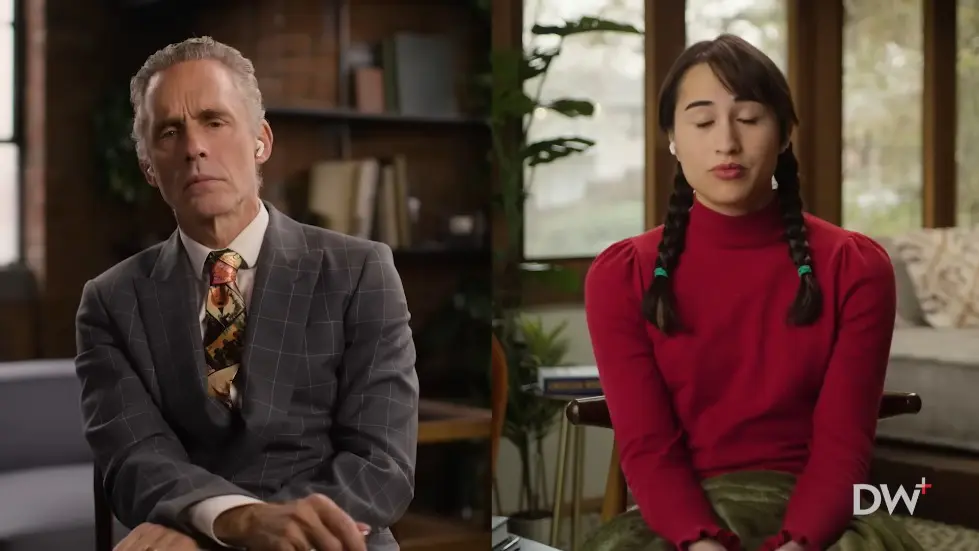
Chloe Cole's Transition
- Chloe Cole started transitioning from female to male at the age of 12.
- She had a double mastectomy at 15.
- Chloe is now an advocate against gender ideology and is seeking legal action against the medical professionals who aided her in her transition.
- The video discusses the challenges and negative emotions that girls experience before and during puberty, and how women are more sensitive to negative emotions on average than men.
- Chloe's therapist agreed with her diagnosis of gender dysphoria and prognosis of transitioning, but did not provide any therapeutic process.

Therapeutic Process
- Chloe went to the therapist once a week to two weeks.
- The therapist did not provide any useful information or help.
- Chloe's therapist did not explore her mental health in full detail.
- Chloe did not know that her issues were a problem until recently.
- Chloe's therapist did not provide any explanation for her misery or hope that she would grow out of it with time.

Transitioning and Therapy
- Chloe transitioned after her therapist agreed with her diagnosis and prognosis.
- Chloe's therapist did not provide any therapeutic process.
- Chloe's therapist did not explore her mental health in full detail.
- Chloe did not know that her issues were a problem until recently.
- Chloe's therapist did not provide any explanation for her misery or hope that she would grow out of it with time.

Chloe's Transition and Therapy
- Chloe transitioned after her therapist agreed with her diagnosis and prognosis.
- Chloe's therapist did not provide any therapeutic process.
- Chloe's therapist did not explore her mental health in full detail.
- Chloe did not know that her issues were a problem until recently.
- Chloe's therapist did not provide any explanation for her misery or hope that she would grow out of it with time.

Chapter 319: The Wounds That Won't Heal
- Gender dysphoria is a variant of negative emotions such as depression and anxiety.
- Depression and anxiety are the primary drivers of suicidal ideation, not gender dysphoria itself.
- There is no evidence that transitioning has a salutary effect on mental health.
- Ken Zucker's work has shown that if children are left alone, most of them settle into their biological identities by the time they are 18 or 19.
- The medical profession is pushing parents into a difficult position by insisting that they choose between a live trans child or a dead child.

The Medical Profession's Role
- The medical profession is corrupting parents by pushing them into a difficult position.
- Parents are accustomed to trusting their medical professionals and assuming that the information they are given is valid and reliable.
- The information that families were given was pathological and almost imaginable.
- There is no evidence that transitioning kids are less likely to be suicidal.
- There is no evidence that transitioning is the only treatment path that works.

The Coercion of Parents
- Parents are coerced into transitioning their children.
- After the appointment, the endocrinologist said that the treatment should wait.
- Another endocrinologist gave the consent forms for blockers after about two or three appointments.
- The Browns signed off on the consent forms for testosterone in late 2017 or early 2018.
- Parents need to sign off on forms for hormones or anything like that because they are trying to push kids being able to independently make that choice.

The Complications of Transitioning
- The author experienced complications that affect them to this day.
- The author was barely a teenager when they started transitioning.
- Kids tend to think that they are invincible and nothing could get them.
- It was hard to determine which side effects the author might experience.
- The author started experiencing some complications that affect them to this day.

You have read 50% of the summary.
To read the other half, please enter your Name and Email. It's FREE.
You can unsubscribe anytime. By entering your email you agree to our Terms & Conditions and Privacy Policy.
Watch the video on YouTube:
The Wounds That Won't Heal | Detransitioner Chloe Cole | EP 319 - YouTube
Related summaries of videos:
- Dr. Richard Lindzen and Dr. Jordan Peterson: Climate "Science"
- Dr. Judith Curry and Dr. Jordan Peterson: The Predictions Are Wrong
- Roy Sebag and Jordan Peterson: The Natural Order of Money
- Tulsi Gabbard and Jordan Peterson: Female Soldiers and Crony Capitalists
- Konstantin Kisin with Jordan Peterson - Leading the Counter-Woke Revolution
- Maajid Nawaz and Jordan Peterson: In Response to Netanyahu
- Rafe Kelley and Jordan Peterson: Parkour and Rough Play
- Dr. Scott Jensen and Dr. Jordan Peterson: Weaponized Bureaucracy
- Riley Gaines and Jordan Peterson: Narcissists, Frauds and Enablers - The Death of Women's Sports
- Dr. Peter Attia and Dr. Jordan Peterson: Diet and Death
- Home
- About us
- Contact
- Book Summaries 0-9
- Book Summaries A
- Book Summaries B
- Book Summaries C
- Book Summaries D
- Book Summaries E
- Book Summaries F
- Book Summaries G
- Book Summaries H
- Book Summaries I
- Book Summaries J
- Book Summaries K
- Book Summaries L
- Book Summaries M
- Book Summaries N
- Book Summaries O
- Book Summaries P
- Book Summaries Q
- Book Summaries R
- Book Summaries S
- Book Summaries T
- Book Summaries U
- Book Summaries V
- Book Summaries W
- Book Summaries X
- Book Summaries Y
- Book Summaries Z
- Jay Shetty Podcast - Summaries
- Tom Bilyeu Impact Theory - Summaries
- Lex Fridman - Summaries
- Diary of a CEO - Summaries
- Alex Hormozi - Summaries
