
Dr. Casey Halpern and Dr. Andrew Huberman: Biology and Treatments for Compulsive Eating and Behaviors (Huberman Lab Podcast)
Last updated: Oct 2, 2023
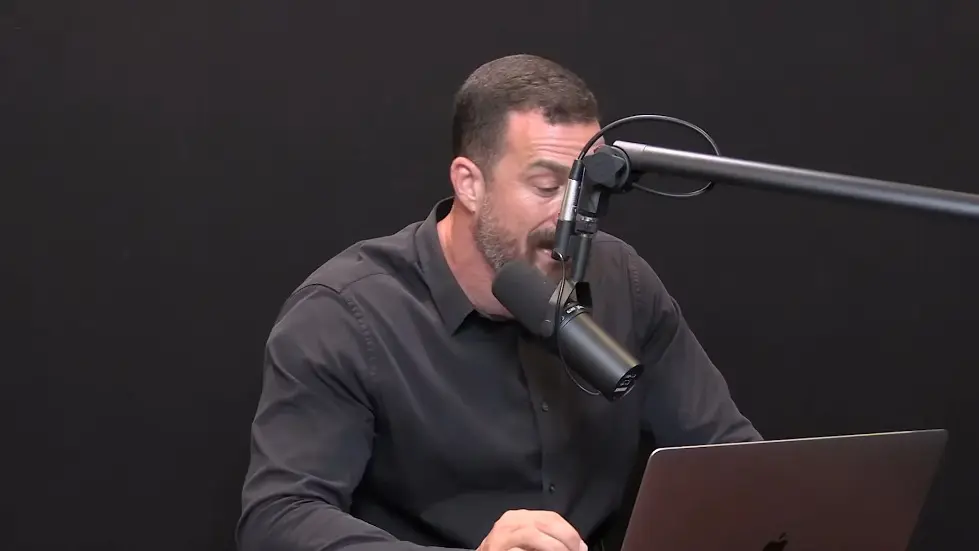
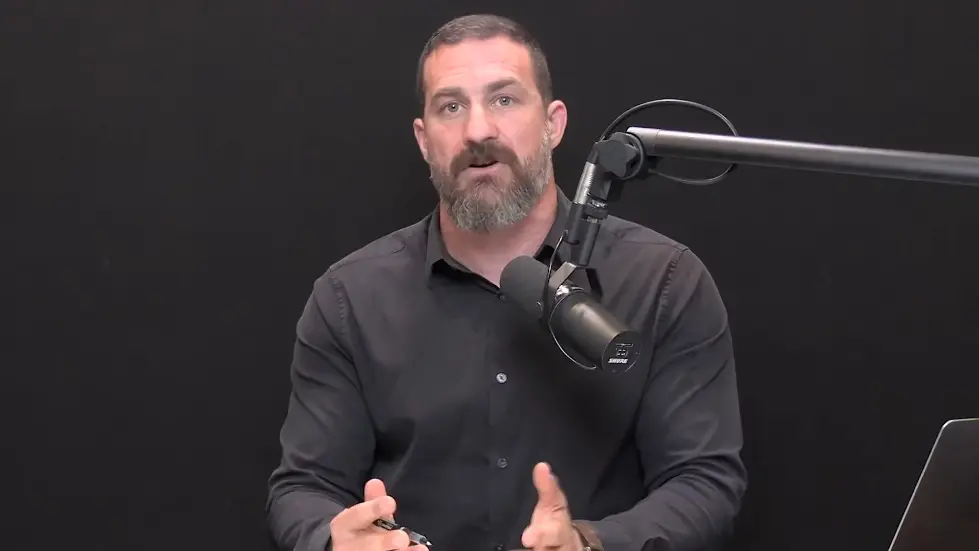
The video is about Dr. Andrew Huberman and Dr. Casey Halpern, who is the chief of neurosurgery at the University of Pennsylvania School of Medicine, and his laboratory that focuses on bulimia, binge eating disorder, and other forms of obsessive-compulsive behaviors. Dr. Halpern takes an entirely different approach to treating these conditions by using engineered devices to stimulate the neurons in the brain that generate compulsions. He has published a paper in Nature Medicine on a pilot study of responsive deep brain stimulation for loss of control eating, which involves stimulating the nucleus accumbens, an area of the brain involved in the release of dopamine for particular motivated behaviors. The video discusses the use of deep brain stimulation and other approaches for the treatment of movement disorders such as essential tremor, Parkinson's disease, and dystonias. The podcast is sponsored by Roca, which makes eyeglasses and sunglasses, and Eight Sleep, which makes mattress covers with cooling, heating, and sleep tracking ability.
This video by Andrew Huberman was published on Sep 26, 2022.
Video length: 02:14:35.
The video is about Dr. Casey Halpern, the chief of neurosurgery at the University of Pennsylvania School of Medicine, and his laboratory's focus on the development and application of engineered devices to stimulate neurons in the brain to treat compulsive eating disorders and other forms of obsessive-compulsive behaviors.
The Halpern laboratory takes an entirely different approach to treating these conditions, using brain surgery of various kinds to alleviate and sometimes cure them. The laboratory has recently published a paper in Nature Medicine, entitled "Pilot study of responsive nucleus accumbens deep brain stimulation for loss of control eating," which uses stimulation and control of neuronal activity in nucleus accumbens to control loss of control eating. The video discusses the use of deep brain stimulation and other approaches for the treatment of movement disorders such as essential tremor, Parkinson's disease, and various types of dystonias.
The video also emphasizes the importance of understanding how the brain works and what the future of brain modification looks like for all of us.
- The Huberman Lab podcast is a show where science and science-based tools for everyday life are discussed.
- The host, Andrew Huberman, is a professor of neurobiology and ophthalmology at Stanford School of Medicine.
- The guest for this episode is Dr. Casey Halpern, the chief of neurosurgery at the University of Pennsylvania School of Medicine.
- Dr. Halpern's laboratory focuses on bulimia, binge eating disorder, and other forms of obsessive-compulsive behaviors.
- The episode discusses the use of engineered devices to stimulate neurons in the brain that generate compulsions.
- Dr. Halpern takes an entirely different approach to treating compulsive eating and other forms of obsessive-compulsive behaviors.
- He uses engineered devices to stimulate the neurons in the brain that generate compulsions.
- Dr. Halpern's approach is still in the early stages of development and more research is needed to determine its effectiveness.
Introduction
- The Huberman Lab podcast is a show where science and science-based tools for everyday life are discussed.
- The host, Andrew Huberman, is a professor of neurobiology and ophthalmology at Stanford School of Medicine.
- The guest for this episode is Dr. Casey Halpern, the chief of neurosurgery at the University of Pennsylvania School of Medicine.
- Dr. Halpern's laboratory focuses on bulimia, binge eating disorder, and other forms of obsessive-compulsive behaviors.
- The episode discusses the use of engineered devices to stimulate neurons in the brain that generate compulsions.
Dr. Halpern's Approach
- Dr. Halpern takes an entirely different approach to treating compulsive eating and other forms of obsessive-compulsive behaviors.
- He uses engineered devices to stimulate the neurons in the brain that generate compulsions.
- He has published a paper in Nature Medicine on a pilot study of responsive deep brain stimulation for loss of control eating.
- The nucleus accumbens, an area of the brain involved in the release of dopamine for particular motivated behaviors, is the area of the brain that Dr. Halpern stimulates.
- Dr. Halpern's approach is still in the early stages of development and more research is needed to determine its effectiveness.
Deep Brain Stimulation
- Deep brain stimulation is a technique used to treat various neurologic and psychiatric diseases.
- It involves the use of electrical current to stimulate the brain through the intact skull.
- Dr. Halpern and his laboratory use deep brain stimulation to control loss of control eating in people with bulimia and binge eating disorder.
- The nucleus accumbens is the area of the brain that is stimulated in this technique.
- More research is needed to determine the long-term effects of deep brain stimulation on the brain and behavior.
Movement Disorders
- Deep brain stimulation is also used to treat movement disorders such as essential tremor, Parkinson's disease, and dystonias.
- These disorders are challenges in generating particular types of movement.
- Dr. Halpern and his laboratory are among a small group of scientists who use engineered devices to stimulate the brain and control behavior.
- More research is needed to determine the effectiveness of deep brain stimulation for movement disorders.
- The use of deep brain stimulation for movement disorders is still in the early stages of development.
Conclusion
- The episode discusses the use of engineered devices to stimulate neurons in the brain that generate compulsions.
- Dr. Halpern's approach is still in the early stages of development and more research is needed to determine its effectiveness.
- Deep brain stimulation is a technique used to treat various neurologic and psychiatric diseases.
- More research is needed to determine the long-term effects of deep brain stimulation on the brain and behavior.
- The use of deep brain stimulation for movement disorders is still in the early stages of development.

Section 1: Sleep Mattress Covers
- Sleep mattress covers allow you to program the temperature of your mattress.
- You can fall asleep quickly, get into deep sleep, stay in deep sleep, and emerge from that sleep feeling especially rested.
- Dropping the temperature of the surface by one to three degrees at the beginning of the night helps you fall asleep.
- Raising the temperature towards morning requires a three-degree re-increase in body temperature to wake up.
- The eight-sleep mattress cover is a game-changer in the quality and duration of sleep.
Section 2: Inside Tracker
- Inside tracker is a personalized nutrition platform that analyzes data from your blood and DNA.
- It helps you better understand your body and reach your health goals.
- Knowing what to do with the information you get about your biological health is easy with inside tracker.
- The dashboard tells you what to change in your nutrition, supplements, and other interventions.
- Inside tracker allows you to move numbers related to metabolic hormone and other factors into the precise range that's optimal for your immediate and long-term health.

Section 3: Supplements
- Supplements can enhance sleep and the depth of sleep, focus and cognitive ability, energy, and adjust hormone levels to the optimal range.
- Momentous supplements are of high quality, ship internationally, and are developed in single ingredient formulations.
- The huberman lab podcast is now partnered with momentous supplements.
- The library of supplements is constantly expanding.
- Dr. Halpern discusses the supplements he discussed on the huberman lab podcast.

Section 4: Dr. Casey Halpern's Work
- Dr. Halpern is a neurosurgeon, also known as the astronauts of neuroscience.
- Precision is everything in neurosurgery, with very small margins of error.
- Dr. Halpern was drawn to neurosurgery because of a procedure known as deep brain stimulation.
- He watched his first deep brain stimulation surgery performed by Gordon boltuck.
- Deep brain stimulation is a one-surgery procedure that neurosurgeons offer, but it's a small minority of what neurosurgery does.

Introduction
- The video is about Dr. Casey Halpern, who is the chief of neurosurgery at the University of Pennsylvania School of Medicine, and his laboratory that focuses on bulimia, binge eating disorder, and other forms of obsessive-compulsive behaviors.
- Dr. Halpern takes an entirely different approach to treating these conditions by using engineered devices to stimulate the neurons in the brain that generate compulsions.
- He has published a paper in Nature Medicine on a pilot study of responsive deep brain stimulation for loss of control eating, which involves stimulating the nucleus accumbens, an area of the brain involved in the release of dopamine for particular motivated behaviors.
- The video discusses the use of deep brain stimulation and other approaches for the treatment of movement disorders such as essential tremor, Parkinson's disease, and dystonias.

Deep Brain Stimulation
- Deep brain stimulation (DBS) is a surgical procedure that involves implanting electrodes into the brain to deliver electrical impulses to specific areas.
- DBS is used to treat a variety of neurological and psychiatric conditions, including Parkinson's disease, dystonia, and depression.
- Dr. Halpern's laboratory focuses on using DBS to treat compulsive eating disorders, such as bulimia and binge eating disorder.
- The nucleus accumbens is an area of the brain involved in the release of dopamine for particular motivated behaviors, and stimulating this area has been shown to be effective in treating compulsive eating disorders.

Focus Ultrasound
- Focus ultrasound is a non-invasive way to deliver ablative therapy to the brain.
- FDA has approved focus ultrasound for the treatment of Trevor at the moment, which is used for the treatment of Parkinson's disease and dystonia.
- Focus ultrasound involves using high-intensity focused ultrasound to create a small area of tissue damage in the brain, which can be used to treat a variety of neurological and psychiatric conditions.
- Dr. Halpern's laboratory also uses focus ultrasound as a complement to DBS, and both procedures are used in his daily practice.

Conclusion
- Deep brain stimulation and focus ultrasound are two surgical procedures that are used to treat a variety of neurological and psychiatric conditions.
- Dr. Halpern's laboratory focuses on using these procedures to treat compulsive eating disorders, such as bulimia and binge eating disorder.
- The nucleus accumbens is an area of the brain involved in the release of dopamine for particular motivated behaviors, and stimulating this area has been shown to be effective in treating compulsive eating disorders.
- Focus ultrasound is a non-invasive way to deliver ablative therapy to the brain, and both DBS and focus ultrasound are used in Dr. Halpern's daily practice.
Deep Brain Stimulation for Obsessive-Compulsive Disorders
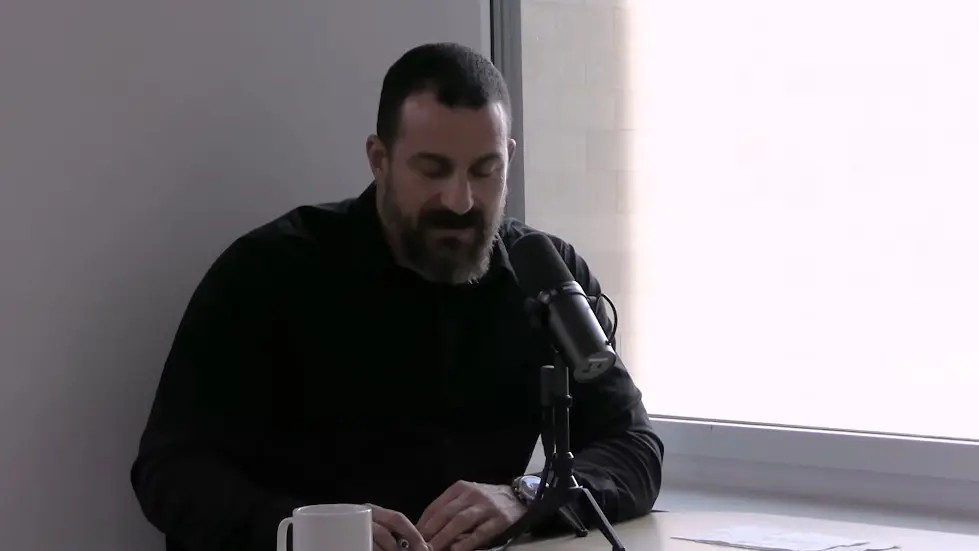
- Dr. Casey Halpern is the chief of neurosurgery at the University of Pennsylvania School of Medicine and his laboratory focuses on bulimia, binge eating disorder, and other forms of obsessive-compulsive behaviors.
- He has published a paper in Nature Medicine on a pilot study of responsive deep brain stimulation for loss of control eating, which involves stimulating the nucleus accumbens, an area of the brain involved in the release of dopamine for particular motivated behaviors.
- Deep brain stimulation and other approaches for the treatment of movement disorders such as essential tremor, Parkinson's disease, and dystonias.
- The video discusses the use of deep brain stimulation and other approaches for the treatment of obsessive-compulsive behaviors.

Treatment of Obsessive-Compulsive Disorder
- Dr. Halpern takes an entirely different approach to treating obsessive-compulsive disorders by using engineered devices to stimulate the neurons in the brain that generate compulsions.
- He has published a paper in Nature Medicine on a pilot study of responsive deep brain stimulation for loss of control eating, which involves stimulating the nucleus accumbens, an area of the brain involved in the release of dopamine for particular motivated behaviors.
- The video discusses the use of deep brain stimulation and other approaches for the treatment of obsessive-compulsive behaviors.
Treatment of Other Indications
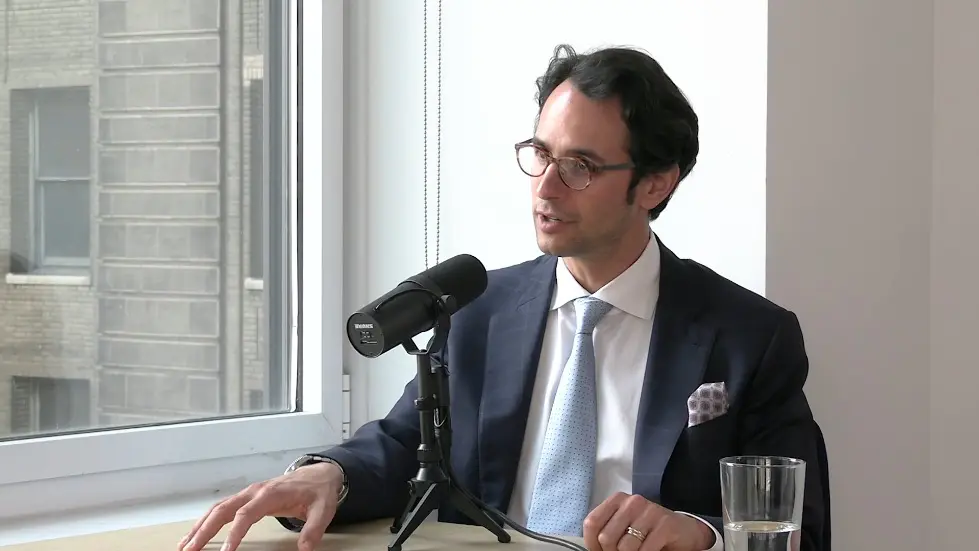
- The most impressive and consistent effect Dr. Halpern has seen when he has a patient with tremor who has been tremming for the past 20 years if he can deliver stimulation through that electrode in the clinic he has immediate relief of tremor.
- He sees symptoms of other disorders also improve and often immediately just like he does with tremor.
- He is interested in obesity and related eating disorders, compulsive behavior, the urge to have something that might be delicious but dangerous or unhealthy or a drug or a compulsion like we see in OCD or pests.

Treatment of Obsessive-Compulsive Disorder
- Dr. Halpern takes an entirely different approach to treating obsessive-compulsive disorders by using engineered devices to stimulate the neurons in the brain that generate compulsions.
- He has published a paper in Nature Medicine on a pilot study of responsive deep brain stimulation for loss of control eating, which involves stimulating the nucleus accumbens, an area of the brain involved in the release of dopamine for particular motivated behaviors.
- The video discusses the use of deep brain stimulation and other approaches for the treatment of obsessive-compulsive behaviors.

Deep Brain Stimulation for Obsessive-Compulsive Disorder
- Deep brain stimulation (DBS) is a surgical procedure that involves implanting electrodes in the brain to deliver electrical impulses to specific areas.
- DBS has been shown to be effective in treating movement disorders such as Parkinson's disease, dystonias, and essential tremor.
- However, DBS is also being explored as a treatment for obsessive-compulsive disorder (OCD).
- The surgery for DBS for OCD has some risk, but the outcome is consistent and positive, making it an attractive option for some patients.
- Despite this, many psychiatrists are reluctant to refer patients with OCD to DBS due to concerns about the procedure's effectiveness and potential side effects.
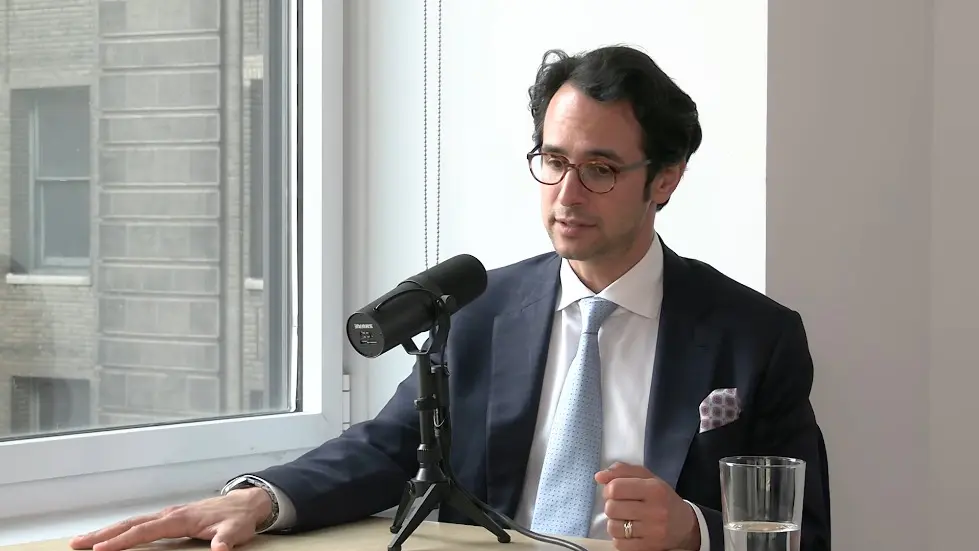
Understanding the Brain Circuits Involved in OCD
- Researchers are working to better understand the circuits in the brain involved in OCD.
- Studies are being conducted both invasively and non-invasively, using electrode-based surgery and imaging techniques.
- The goal is to understand where obsessions come from and how they can be treated.
- Geneticists are also being consulted to gain a broader understanding of OCD at a genetic level.
- OCD is considered a spectrum disorder, meaning that it can manifest in different ways and can affect different people.

Controlling OCD
- If OCD can be controlled, it can be an asset, such as in the case of famous CEOs and surgeons.
- However, if OCD goes awry and becomes uncontrollable, it can lead to obsessive-compulsive disorder.
- Medications such as serotonin selective reuptake inhibitors (SSRIs) and tricyclics can be helpful in treating OCD.
- Exposure response prevention is also a highly effective option for treating OCD.
- Cognitive behavioral therapy (CBT) is a type of therapy that can be helpful for some patients with OCD, but it is different from exposure response prevention.

Therapies for OCD
- There are a variety of therapies available for patients with OCD, including cognitive behavioral therapy (CBT), exposure response prevention, and medication.
- CBT is a type of therapy that helps patients identify and change negative thought patterns and behaviors.
- Exposure response prevention involves exposing patients to the stressor that triggers their compulsions in a controlled environment.
- Medications such as SSRIs and tricyclics can help regulate neurotransmitter systems involved in OCD.
- Despite these treatments, some patients with severe OCD may still require additional interventions.

Balancing Risks and Benefits
- As a researcher, it is important to balance the risks and benefits of treatments for OCD.
- Deep brain stimulation (DBS) surgery is one option being explored as a treatment for OCD, but it carries some risk.
- Capsulotomy, an ablation approach similar to DBS, is another option that can be effective for some patients.
- It is important to educate patients about the risks and benefits of these treatments.
- Ultimately, the goal is to find effective treatments that can help patients with OCD live their lives to the fullest.

Section 1: Introduction
- The video is about Dr. Casey Halpern, who is the chief of neurosurgery at the University of Pennsylvania School of Medicine, and his laboratory that focuses on bulimia, binge eating disorder, and other forms of obsessive-compulsive behaviors.
- Dr. Halpern takes an entirely different approach to treating these conditions by using engineered devices to stimulate the neurons in the brain that generate compulsions.
- He has published a paper in Nature Medicine on a pilot study of responsive deep brain stimulation for loss of control eating, which involves stimulating the nucleus accumbens, an area of the brain involved in the release of dopamine for particular motivated behaviors.

Section 2: Brain Areas Involved in OCD
- When thinking about OCD, areas of the basal ganglia such as caudi putamen and dorsal striatum should be considered.
- There are sex differences in terms of OCD, and areas like the orbital frontal cortex and prefrontal cortex are involved in inhibitory control and are not functioning properly in patients with OCD.
- Compulsive behavior can be modeled in a rat, but animal modeling of OCD should be approached thoughtfully.
- Areas in the cortex like the prefrontal and orbital frontal cortex are dysfunctional in patients with OCD and need to be restored to normal function.

Section 3: Cortical Areas of OCD
- The cortical areas of OCD are dysregulated and need to be normalized.
- The frontal lobe is huge, but areas of the frontal lobe that are a bit more basal like the orbital frontal cortex and prefrontal cortex are consistently implicated in patients with OCD.
- Their projections to the subcortex, such as the basal ganglia, are interconnected with the ventral striatum, which is an area of the brain involved in gating reward seeking behavior when perturbed.
- The nucleus accumbens, an area of the brain that is involved in gating reward seeking behavior, is particularly relevant to compulsive behavior.

Section 4: Conclusion
- Dr. Halpern's approach to treating OCD involves using engineered devices to stimulate the neurons in the brain that generate compulsions.
- Responsive deep brain stimulation for loss of control eating has been shown to be effective in a pilot study, involving stimulating the nucleus accumbens.
- Animal modeling of OCD should be approached thoughtfully, and areas in the cortex like the prefrontal and orbital frontal cortex are dysfunctional in patients with OCD and need to be restored to normal function.
- The nucleus accumbens is an area of the brain that is particularly relevant to compulsive behavior and is involved in gating reward seeking behavior when perturbed.

Section 1: Introduction
- The video is about Dr. Casey Halpern, who is the chief of neurosurgery at the University of Pennsylvania School of Medicine, and his laboratory that focuses on bulimia, binge eating disorder, and other forms of obsessive-compulsive behaviors.
- Dr. Halpern takes an entirely different approach to treating these conditions by using engineered devices to stimulate the neurons in the brain that generate compulsions.
- He has published a paper in Nature Medicine on a pilot study of responsive deep brain stimulation for loss of control eating, which involves stimulating the nucleus accumbens, an area of the brain involved in the release of dopamine for particular motivated behaviors.
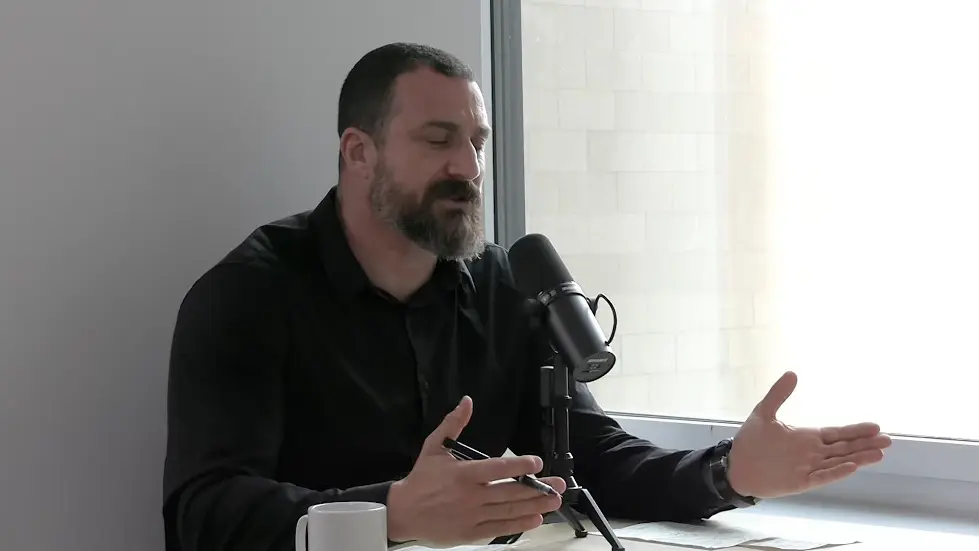
Section 2: Symptoms of OCD, Binge Eating Disorder, and Bulimia
- Patients with OCD, binge eating disorder, and bulimia tend to have hyper checking behavior or contamination behavior, where they feel contaminated they'll wash their hands for hours repeatedly or if they drop their toothbrush on the floor, this will lead to a compulsive behavior of cleaning a toothbrush or brushing their teeth consistently.
- These symptoms are very common and are reported by patients or observed by researchers.
- Patients with eating disorders tend to if they have binge eating disorder they'll overeat if they have bulimia they might Purge despite the risk of these things.
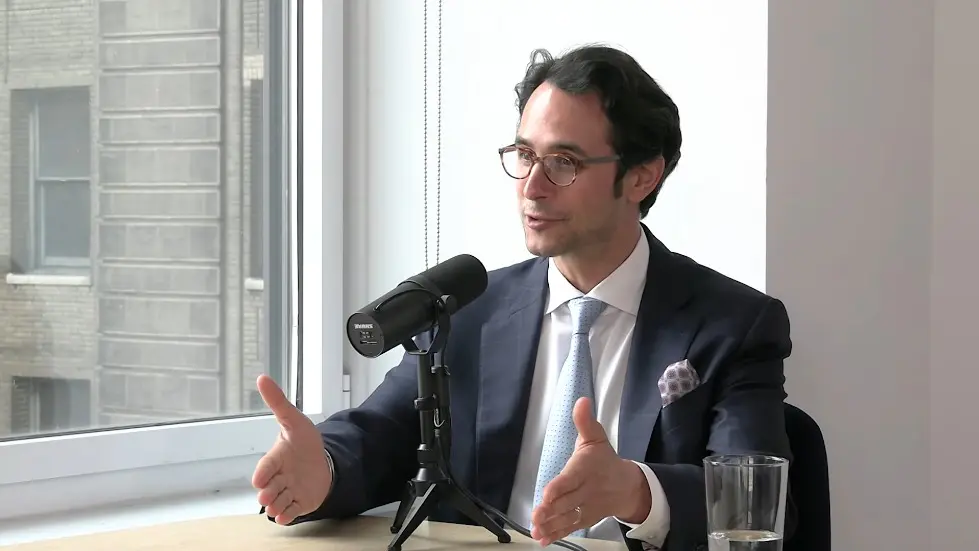
Section 3: Addiction
- Addiction is similar to these problems, where patients will seek out drugs or alcohol despite the risk and the urge despite the risk.
- The risk is something that Dr. Halpern is interested in and it's a common denominator to all of these problems.

Section 4: Sponsorship
- The video is sponsored by Athletic Greens, which is a vitamin, mineral, probiotic drink that covers all of your foundational nutritional needs.
- Dr. Halpern has been taking Athletic Greens since 2012 and is delighted that they're sponsoring the podcast.

Section 1: Tourette Syndrome
- Tourette Syndrome is a movement disorder characterized by involuntary and repetitive movements and vocalizations.
- It is common in young males and can cause problems in personal and professional life.
- People with Tourette Syndrome are often successful and confident, despite their symptoms.
- The condition is related to the vulnerability of the brain to environmental stress and stimulants.
- Stimulants, such as ephedrine, can cause an overdrive of the prefrontal and orbital frontal cortex, leading to OCD behavior and other psychiatric disorders.
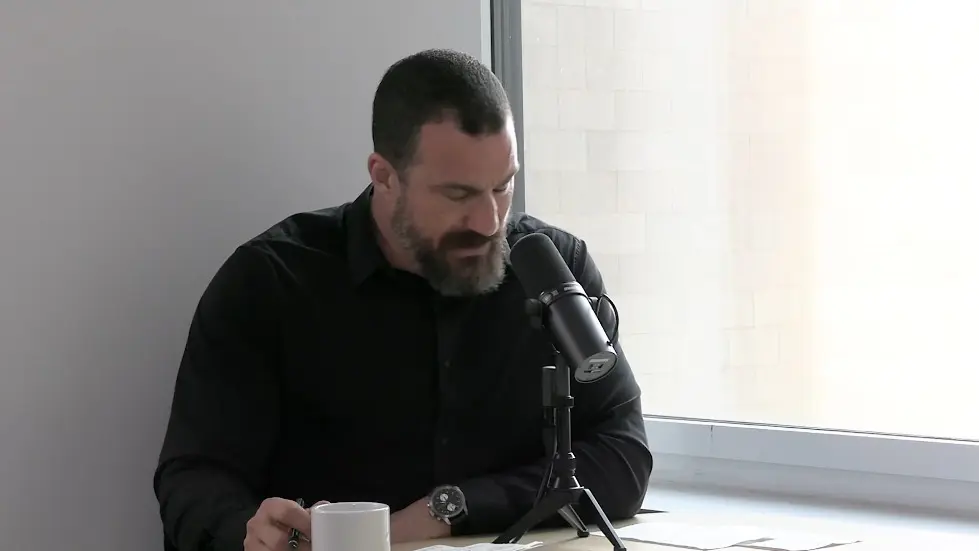
Section 2: Obsessive-Compulsive Disorder (OCD)
- OCD is a psychiatric disorder characterized by obsessive thoughts and compulsive behaviors.
- It often presents in college when people are exposed to new stressors and their brains are not yet fully developed.
- The nucleus accumbens and cortical areas that send projections to these areas are likely involved in OCD and other related disorders.
- OCD can be related to food and eating behaviors, as well as addiction.
- It is important to note that OCD is a complex condition and can be influenced by a variety of factors.

Section 3: Stimulants and Brain Vulnerability
- The brain can be vulnerable to environmental stress and stimulants, leading to conditions such as Tourette Syndrome and OCD.
- Stimulants, such as ephedrine, can cause an overdrive of the prefrontal and orbital frontal cortex, leading to compulsive behaviors and other psychiatric disorders.
- People who are more vulnerable to stimulants may be more likely to develop these conditions.
- It is important to be aware of the potential risks associated with stimulants and other environmental factors that can affect brain function.
- It is also important to seek professional help if experiencing symptoms of OCD or other related disorders.

Section 4: Food and Eating Behaviors
- Food and eating behaviors can be related to OCD and other psychiatric disorders.
- It is important to note that food and eating behaviors are complex and can be influenced by a variety of factors.
- Professional help can be beneficial for individuals struggling with food and eating behaviors.
- It is also important to be aware of the potential risks associated with disordered eating behaviors.
- Overall, it is important to approach food and eating behaviors with a holistic and compassionate approach.

The Nucleus Accumbens
- The nucleus accumbens is a part of the brain that is involved in reward circuits.
- It interconnects with many parts of the brain.
- The nucleus accumbens has a lot of functions.
- It is an area that is also very complicated because it has a lot of functions.
- It is an area that is also very complicated because it has a lot of functions.

Rewards and Compulsions
- The nucleus accumbens is an area that is also very complicated because it has a lot of functions.
- When I started getting interested in reward and what a surgeon could do to try to improve how we manage rewards.
- If you have an urge for a reward that either puts you or somebody else at risk it's probably a reward we should not have.
- If you're obese and your doctor is advising that you lose weight and try to control your eating habits, it's an urge that we probably need to treat.
- If you're a drug addict and you use heroin or opiate, it's an urge that's treatable.

Obesity and Eating Disorders
- Obesity and eating disorders are obviously linked because of the relationship of a patient with food.
- Not everybody with obesity has an eating disorder and obviously not everybody with an eating disorder has obesity.
- I am particularly interested in patients that have binge eating disorder as well as obesity because they're so heavily linked.
- Not everybody with binging disorder has obesity but on average most are overweight.
- We are doing a deep brain stimulation trial at Penn where we're trying to modulate the nucleus accumbens and understand it better in patients that have failed gastric bypass surgery.

Deep Brain Stimulation
- We are doing a deep brain stimulation trial at Penn where we're trying to modulate the nucleus accumbens and understand it better in patients that have failed gastric bypass surgery.
- We believe they failed gastric bypass surgery because of binge eating disorder meaning they just can't control how much they eat.
- Obesity is either related or even due to overeating not some predisposition to um that body habitus.
- Obesity is a phenotype something that we can see not everybody is obese because of the same thing.
- We are trying to understand it better in patients that have failed gastric bypass surgery.

Introduction
- The video is about Dr. Casey Halpern, who is the chief of neurosurgery at the University of Pennsylvania School of Medicine, and his laboratory that focuses on bulimia, binge eating disorder, and other forms of obsessive-compulsive behaviors.
- Dr. Halpern takes an entirely different approach to treating these conditions by using engineered devices to stimulate the neurons in the brain that generate compulsions.
- He has published a paper in Nature Medicine on a pilot study of responsive deep brain stimulation for loss of control eating, which involves stimulating the nucleus accumbens, an area of the brain involved in the release of dopamine for particular motivated behaviors.
- The video discusses the use of deep brain stimulation and other approaches for the treatment of movement disorders such as essential tremor, Parkinson's disease, and dystonias.

The Problem
- The video discusses the commonality of eating disorders and obesity, and how they are often characterized by a loss of control disorder.
- These conditions are not officially recognized by the DSM-5, but are considered a feature of these conditions that is common and that common denominator can be restored or at least this problem can be ameliorated or improved upon by a better understanding and a tailored treatment to the nucleus accumbens specifically.
- In mice, if they are exposed to high fat food, their nucleus accumbens is not functioning properly, which is predisposing continued behavior and eventually leads to things like a habit that gets developed.

The Solution
- The goal of the invasive trial is to try to restore normal functioning to the nucleus accumbens in mice.
- A signal that predicts when they're going to lose control can be used to deliver a sort of real-time therapy in the form of deep brain stimulation.
- The stimulation is provided as a brief delivery of stimulation anywhere between 5 and 10 seconds that is intended to just disrupt the perturbed signaling that's happening in the nucleus accumbens.
- For now, the video accepts that depression is a state disorder or maybe Parkinson's disease is a state disorder, recognizing that they do fluctuate, but most likely not definitely most likely need a continuous therapy of some form.

Conclusion
- The video discusses the use of deep brain stimulation and other approaches for the treatment of movement disorders such as essential tremor, Parkinson's disease, and dystonias.
- The video also discusses the use of deep brain stimulation for the treatment of eating disorders and obesity, specifically targeting the nucleus accumbens.
- The video highlights the potential for deep brain stimulation to disrupt the perturbed signaling that's happening in the nucleus accumbens and restore normal functioning.

Section 1: Binge Eating Disorder
- Binge eating disorder is a condition where a person eats an enormous amount of food in a brief period of time and feels a loss of control over their eating.
- The onset of binge eating disorder is typically once a day, but it can vary depending on the individual.
- Severe binge eating disorder patients may binge up to several times a week.
- The definition of binge eating disorder specifies that a person must eat an enormous amount of food in a brief period of time and feel a loss of control over their eating.
- The stomach's capacity limits the amount of food that can be eaten in a single binge.

Section 2: Loss of Control Eating
- Loss of control eating is a term that can be used to describe binge eating disorder, but it is not the same thing.
- Loss of control eating can happen dozens of times a week, whereas binge eating disorder typically happens once a day.
- Patients with loss of control eating may not eat enough food to constitute a binge, but they may still feel a loss of control over their eating.
- The term loss of control eating is more accurate than binge eating disorder when describing the behavior of some patients.
- Patients with loss of control eating may have a dysregulation of circuitry in the brain that can lead to binge eating disorder.

Section 3: Anxiety and Binge Eating
- Anxiety can bias someone to have a binge, but it is not the only factor that contributes to binge eating disorder.
- Alcohol can reduce prefrontal activity, which can lead to binge eating disorder, but it is not the only factor that contributes to binge eating disorder.
- Dysregulation of circuitry in the brain can lead to binge eating disorder, regardless of anxiety or prefrontal activity.
- Medication may be difficult to use as a treatment for binge eating disorder because it is not always effective.
- Assaying brain activity in real-time can help determine the effectiveness of treatments for binge eating disorder.

Section 4: Treatment for Binge Eating Disorder
- Deep brain stimulation can be used to treat binge eating disorder by stimulating the nucleus accumbens, an area of the brain involved in the release of dopamine for particular motivated behaviors.
- Other approaches for the treatment of movement disorders such as essential tremor, Parkinson's disease, and dystonias can also be used to treat binge eating disorder.
- Engineered devices can be used to stimulate neurons in the brain that generate compulsions for the treatment of binge eating disorder.
- Research trials are used to study the effectiveness of treatments for binge eating disorder.
- Patients with binge eating disorder may have a dysregulation of circuitry in the brain that can be addressed through treatments such as deep brain stimulation.

Section 1: Introduction
- The video is about Dr. Casey Halpern, who is the chief of neurosurgery at the University of Pennsylvania School of Medicine, and his laboratory that focuses on bulimia, binge eating disorder, and other forms of obsessive-compulsive behaviors.
- Dr. Halpern takes an entirely different approach to treating these conditions by using engineered devices to stimulate the neurons in the brain that generate compulsions.
- He has published a paper in Nature Medicine on a pilot study of responsive deep brain stimulation for loss of control eating, which involves stimulating the nucleus accumbens, an area of the brain involved in the release of dopamine for particular motivated behaviors.

Section 2: Neurosurgery
- The video discusses the use of deep brain stimulation and other approaches for the treatment of movement disorders such as essential tremor, Parkinson's disease, and dystonias.
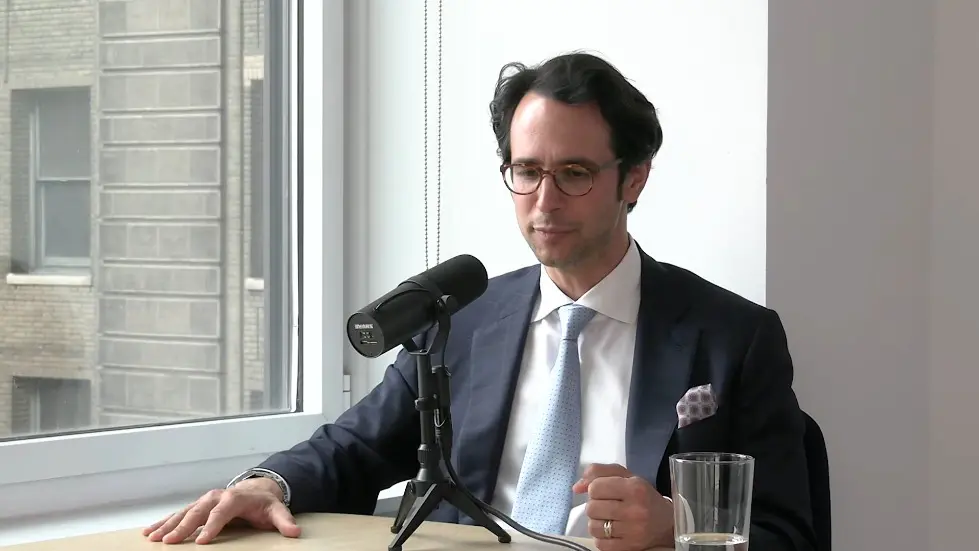
- The narrator asks three-part questions specifically of neurosurgeons, challenging them on their approach to treating compulsive eating and behavior disorders.
- The narrator mentions that neurosurgeons tend to be very calm people on the exterior, but they are often under stress and have a predisposition to certain types of foods.
Section 3: Autonomic Arousal and Alertness
- Autonomic arousal and alertness are factors that can lead to binging and decrease autonomic arousal and alertness can also lead to binging.
- The narrator mentions that the deadlifting comment is related to this, as heavy deadlifts can impact the motor neurons and affect fine control.

Section 4: Two-Hit Hypothesis
- The narrator discusses a two-hit hypothesis for the development of compulsive eating and behavior disorders.
- The first hit is a predisposition or vulnerability to certain types of foods, while the second hit is a stressful event or a stressful life.
Section 1: Introduction
- The video is about Dr. Casey Halpern, who is the chief of neurosurgery at the University of Pennsylvania School of Medicine, and his laboratory that focuses on bulimia, binge eating disorder, and other forms of obsessive-compulsive behaviors.
- Dr. Halpern takes an entirely different approach to treating these conditions by using engineered devices to stimulate the neurons in the brain that generate compulsions.
- He has published a paper in Nature Medicine on a pilot study of responsive deep brain stimulation for loss of control eating, which involves stimulating the nucleus accumbens, an area of the brain involved in the release of dopamine for particular motivated behaviors.

Section 2: Stigma and Embarrassment
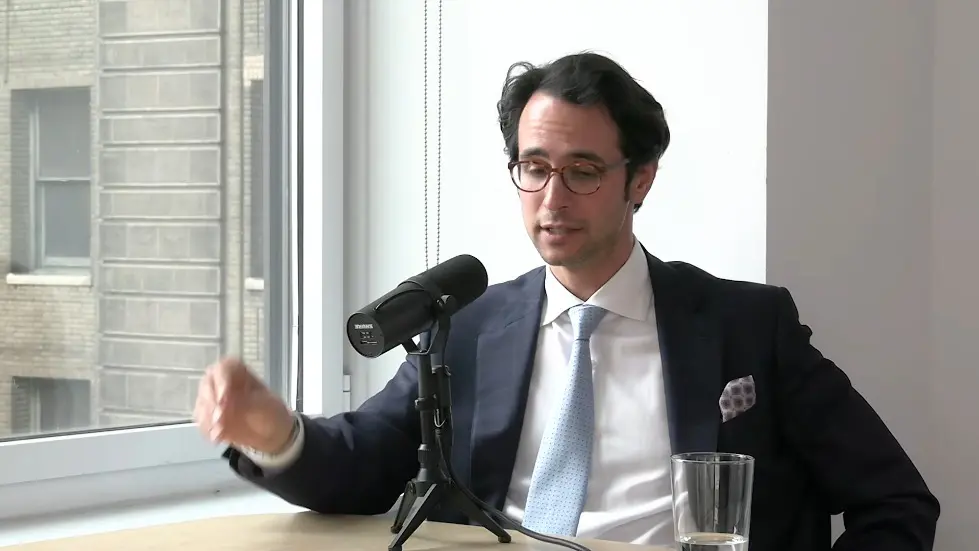
- Patients with these kinds of problems are often embarrassed because our society doesn't think fondly of them.
- Anorexia, bulimia, and binge eating disorder are all stigmatized, and this can lead to problems for patients.
- Girls who are told they're pretty because they're thin may reinforce the problem.
- Obesity and anorexia are also stigmatized, and this can lead to problems for patients.

You have read 50% of the summary.
To read the other half, please enter your Name and Email. It's FREE.
You can unsubscribe anytime. By entering your email you agree to our Terms & Conditions and Privacy Policy.
Watch the video on YouTube:
Dr. Casey Halpern: Biology & Treatments for Compulsive Eating & Behaviors | Huberman Lab Podcast #91 - YouTube
Related summaries of videos:
- Andrew Huberman: The Effects of Cannabis (Marijuana) on the Brain and Body (Huberman Lab Podcast)
- Andrew Huberman: Developing a Rational Approach to Supplementation for Health & Performance | Huberman Lab Podcast
- Dr. Andy Galpin and Dr. Andrew Huberman: Optimal Protocols to Build Strength and Grow Muscles (Huberman Lab Guest Series)
- Dr. Sara Gottfried and Dr. Andrew Huberman: How to Optimize Female Hormone Health for Vitality and Longevity (Huberman Lab)
- Dr. Andy Galpin and Dr. Andrew Huberman: How to Build Physical Endurance and Lose Fat (Huberman Lab Guest Series)
- Andrew Huberman: How to Stop Headaches Using Science-Based Approaches (Huberman Lab Podcast)
- Dr. Andy Galpin and Dr. Andrew Huberman: Maximize Recovery to Achieve Fitness and Performance Goals (Huberman Lab)
- Dr. Andy Galpin and Dr. Andrew Huberman: Optimal Nutrition and Supplementation for Fitness (Huberman Lab Guest Series)
- Dr. Oded Rechavi and Dr. Andrew Huberman: Genes and the Inheritance of Memories Across Generations (Huberman Lab Podcast)
- Dr. Satchin Panda and Dr. Andrew Huberman: Intermittent Fasting to Improve Health, Cognition and Longevity (Huberman Lab)
- Home
- About us
- Contact
- Book Summaries 0-9
- Book Summaries A
- Book Summaries B
- Book Summaries C
- Book Summaries D
- Book Summaries E
- Book Summaries F
- Book Summaries G
- Book Summaries H
- Book Summaries I
- Book Summaries J
- Book Summaries K
- Book Summaries L
- Book Summaries M
- Book Summaries N
- Book Summaries O
- Book Summaries P
- Book Summaries Q
- Book Summaries R
- Book Summaries S
- Book Summaries T
- Book Summaries U
- Book Summaries V
- Book Summaries W
- Book Summaries X
- Book Summaries Y
- Book Summaries Z
- Jay Shetty Podcast - Summaries
- Tom Bilyeu Impact Theory - Summaries
- Lex Fridman - Summaries
- Diary of a CEO - Summaries
- Alex Hormozi - Summaries
