
Dr. Andy Galpin and Dr. Andrew Huberman: How to Build Physical Endurance and Lose Fat (Huberman Lab Guest Series)
Last updated: Oct 2, 2023
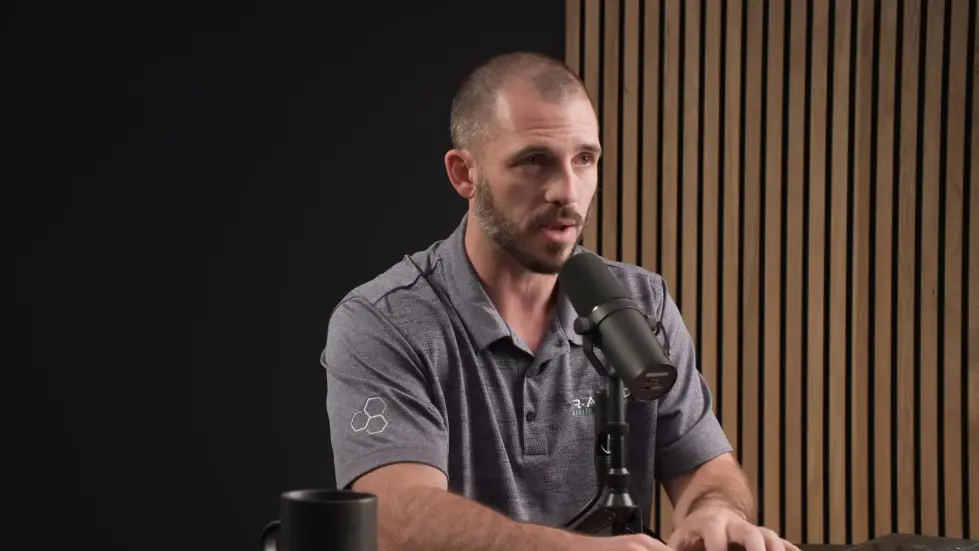
The video is about Dr. Andrew Huberman and Dr. Andy Galpin discussing the science and science-based tools for building physical endurance and losing fat. The episode is the third in the sixth episode series on fitness, exercise, and performance. The conversation focuses on the specific protocols required to achieve the four different kinds of endurance and how to maximize fat loss. Dr. Galpin explains that endurance can be triggered through various ways, including fatigue management and fueling. He also discusses the importance of proper mechanics, such as breathing and posture, in increasing endurance.
This video by Andrew Huberman was published on Feb 1, 2023.
Video length: 03:48:53.
The video is about Dr. Andy Galpin discussing the science and science-based tools for building physical endurance and losing fat.
The episode is the third in the sixth episode series on fitness, exercise, and performance. The conversation focuses on the specific protocols required to achieve the four different kinds of endurance and how to maximize fat loss. Dr. Galpin explains that endurance is not just about doing something for a long period of time repeatedly but also about managing fatigue and fueling.
He also discusses the importance of proper mechanics, breathing, posture, and movement efficiency in increasing endurance.
- The video is from the Huberman Lab YouTube channel.
- The video is a part of a transcript of a video with the title 'Dr. Andy Galpin: How to Build Physical Endurance & Lose Fat | Huberman Lab Guest Series - YouTube' and with the description 'The video is about Dr. Andy Galpin discussing the science and science-based tools for building physical endurance and losing fat. The episode is the third in the sixth episode series on fitness, exercise, and performance. The conversation focuses on the specific protocols required to achieve the four different kinds of endurance and how to maximize fat loss.'
- Endurance refers to the ability to perform a certain activity for a long period of time repeatedly.
- There are different ways to trigger endurance adaptation, including fatigue management and fueling.
- Many people believe that endurance comes down to two independent factors: fatigue management and fueling.
- All different types of training reach a limitation, either due to the ability to deal with fatigue or managing some sort of restriction of energy input.
- Mechanical efficiency is the biggest way to increase endurance exponentially.
- Improving endurance can be triggered through various ways, including fatigue management and fueling.
- Proper mechanics, such as breathing and posture, are important in increasing endurance.
Dr. Andy Galpin: How to Build Physical Endurance & Lose Fat | Huberman Lab Guest Series - YouTube

Introduction
- The video is from the Huberman Lab YouTube channel.
- The video is a part of a transcript of a video with the title 'Dr. Andy Galpin: How to Build Physical Endurance & Lose Fat | Huberman Lab Guest Series - YouTube' and with the description 'The video is about Dr. Andy Galpin discussing the science and science-based tools for building physical endurance and losing fat. The episode is the third in the sixth episode series on fitness, exercise, and performance. The conversation focuses on the specific protocols required to achieve the four different kinds of endurance and how to maximize fat loss.'

What is Endurance?
- Endurance refers to the ability to perform a certain activity for a long period of time repeatedly.
- There are different ways to trigger endurance adaptation, including fatigue management and fueling.

Misnomers about Endurance
- Many people believe that endurance comes down to two independent factors: fatigue management and fueling.
- All different types of training reach a limitation, either due to the ability to deal with fatigue or managing some sort of restriction of energy input.

Dr. Andy Galpin: How to Build Physical Endurance & Lose Fat | Huberman Lab Guest Series - YouTube
Non-Obvious Tools for Endurance
- There are non-obvious tools or mechanisms that can allow people to access better endurance.
- Mechanical efficiency is the biggest way to increase endurance exponentially.

Improving Endurance
- Improving endurance can be triggered through various ways, including fatigue management and fueling.
- Proper mechanics, such as breathing and posture, are important in increasing endurance.
- Nasal breathing is a quick cheat code for improving breathing mechanics.
- Correct posture is important in improving endurance.
- Having a more strategic breathing pattern and approach is important in improving endurance.

Breathing Techniques
- Nasal breathing is a quick cheat code for improving breathing mechanics.
- Breathing techniques and strategies are important in improving endurance.

Posture
- Correct posture is important in improving endurance.

Movement Technique
- Movement technique is important in improving endurance.

Exercise Snacks
- Exercise snacks are a quick and convenient way to improve endurance.

Section 1: Exercise for Endurance
- Exercise can trigger endurance through various ways, including fatigue management and fueling.
- Proper mechanics, such as breathing and posture, are important in increasing endurance.
- Running up stairs or doing something like jumping jacks can be a quick and effective way to improve endurance.
- Even without access to a flight of stairs, there are other exercises that can be done to improve endurance, such as sprinting or jumping jacks.
- It is important to remember that the mode of exercise is not as important as the exertion, and even small amounts of exertion can be beneficial for endurance.

Section 2: Exercise for Fat Loss
- Exercise can be used to trigger fat loss, and there are specific protocols required to achieve the four different kinds of endurance.
- Fatigue management and fueling are important in maximizing fat loss.
- Proper mechanics, such as breathing and posture, are also important in maximizing fat loss.
- Running up stairs or doing something like jumping jacks can be a quick and effective way to improve fat loss.
- It is important to remember that the mode of exercise is not as important as the exertion, and even small amounts of exertion can be beneficial for fat loss.

Section 3: Exercise for Improving Post-Planned Yell Glucose Control
- A giant high glycemic index meal can be used to improve post-planned yell glucose control.
- Running up a flight of stairs or doing something like jumping jacks for as little as 20 seconds can also improve post-planned yell glucose control.
- It is important to remember that the mode of exercise is not as important as the exertion, and even small amounts of exertion can be beneficial for improving post-planned yell glucose control.
- Exercise can also improve other biological markers associated with post-planned yell glucose control.
- It is important to remember that the specific protocols required to achieve the four different kinds of endurance can also improve post-planned yell glucose control.

Section 4: Exercise for Improving Insulin and Other Factors
- A giant high glycemic index meal can be used to improve insulin and other biological markers associated with post-planned yell glucose control.
- Running up a flight of stairs or doing something like jumping jacks for as little as 20 seconds can also improve insulin and other biological markers associated with post-planned yell glucose control.
- It is important to remember that the mode of exercise is not as important as the exertion, and even small amounts of exertion can be beneficial for improving insulin and other biological markers associated with post-planned yell glucose control.
- Exercise can also improve other biological markers associated with post-planned yell glucose control.
- It is important to remember that the specific protocols required to achieve the four different kinds of endurance can also improve insulin and other biological markers associated with post-planned yell glucose control.

Supplementation Regimen
- Single ingredient formulations are the most effective and cost-effective supplementation regimen for building physical endurance and losing fat.
- Supplements for Hormone Health, Sleep Optimization, Focus, and Exercise Recovery can be found on the Huberman Lab podcast.
- Supplements can be purchased through Livemomentis.com.
- Levels is a program that allows users to see how different foods and activities affect their health by giving real-time feedback on their blood glucose levels.
- Using levels has taught the speaker how to modulate their entire schedule from work to exercise and even sleep.

Blood Glucose Levels
- Blood glucose levels are critical for everything from fat loss to muscle gain to healthy cognition and aging of the brain and body.
- Different foods, activities including exercise, and temperature environments impact blood glucose levels.
- Using a continuous glucose monitor can provide real-time feedback on blood glucose levels.
- The speaker learned a tremendous amount from using levels and learned when best to eat, what best to eat, when best to exercise, and how to modulate their entire schedule.

Hydration
- Proper functioning of cells and nerve cells requires that sodium, magnesium, and potassium be present in the correct ratio.
- Element contains a science-backed ratio of 1 000 milligrams of sodium, 200 milligrams of potassium, and 60 milligrams of magnesium.
- Element is an electrolyte drink that optimizes cellular functioning for mental and physical performance.
- Most people do not realize that if they drink caffeine, exercise, and follow a clean diet, they may not be getting enough sodium, potassium, and magnesium to optimize mental and physical performance.

Endurance
- Endurance refers to the ability to perform physical or mental tasks for an extended period of time.
- Endurance can be improved through various methods, including fatigue management and fueling.
- Proper mechanics, such as breathing and posture, are also important in increasing endurance.
- The speaker opened up the conversation to include more things than people generally do when they hear the word endurance, such as energy throughout the day, muscular endurance, maximum anaerobic capacity, and sustained position.

Sitting and Standing Posture
- The goal is to maintain proper posture while sitting or standing for extended periods.
- This includes keeping the back straight, shoulders relaxed, and feet flat on the ground.
- Proper breathing and good posture can help increase endurance and reduce the risk of injury.
- It is important to maintain good posture during activities such as riding a bike or walking.
- Maintaining good posture can also help with recovery and physical performance.

Endurance
- Endurance refers to the ability to sustain physical activity for an extended period.
- Fatigue management and energy production are important factors in achieving endurance.
- Different fuel sources in the body, such as glycogen, fat, and protein, can be tapped into on different time scales and levels of exertion.
- Body fat stores adipose adipocytes, which can start liberating fat as a fuel source when other fuel sources are depleted or the energy and metabolic systems of the body are signaling that body fat would be the optimal fuel source.
- Respiration is the primary way that body fat leaves the body.

Maximum Distance
- The goal is to be able to go for a longer hike or have a long day at Disneyland without feeling fatigued or injured.
- This requires proper mechanics, such as breathing and posture, as well as fatigue management and energy production.
- It is important to optimize performance in all categories to achieve maximum distance.
- If one category is lagging behind or if in general you just want to improve all of them, it is important to figure out where the points of failure are.
- Understanding the functional capacities that are important for endurance can help optimize performance and achieve maximum distance.

Losing Weight
- Losing weight requires a caloric deficit, where you burn more calories than you consume.
- Different fuel sources in the body can be tapped into on different time scales and levels of exertion.
- Body fat stores adipose adipocytes, which can start liberating fat as a fuel source when other fuel sources are depleted or the energy and metabolic systems of the body are signaling that body fat would be the optimal fuel source.
- Respiration is the primary way that body fat leaves the body.
- It is important to understand the different fuel sources in the body and how they are tapped into on different time scales and levels of exertion to achieve weight loss.
Carbon Cycle and Oxygen
- Carbon molecule is a chain of carbons attached to a water molecule.
- Fat molecules are also chains of carbon.
- All of metabolism is about breaking carbon bonds to get energy.
- Carbon is then floating around in free form, which is bad news internally.
- Energy production and fatigue management come down to handling carbon and moving it around in the body.

Breathing and Oxygen
- Neural trigger for breathing is when carbon dioxide hits a threshold level.
- Reduction of oxygen intake generally doesn't stimulate ventilation unless you're at altitude.
- Oxygen is not a fuel source, it is necessary for metabolism to occur.
- Carbon dioxide is the primary reason you bring in oxygen.
- Oxygen is necessary for the metabolism process to occur.

Carbon Cycle in Plants
- Plants breathe in carbon dioxide and exhale oxygen.
- Carbon is necessary for the metabolism process to occur in plants.
- Plants have a wonderful ability to use energy from the sun called photosynthesis.
- Plants need carbon dioxide to form bonds and get energy from the sun.
- Plants produce starch or fruit by inhaling carbon and starting the process of forming bonds.

Carbohydrate Storage and Utilization
- Carbohydrates are stored in the form of starch in root vegetables and glycogen in muscles.
- The biology or chemistry of carbohydrate storage and utilization is almost identical, with the only difference being the reverse order of the process.
- Starch is found in tubers and potatoes, while glucose, fructose, and sucrose are found in fruits.
- The only way humans can get carbon into their system is by ingesting it, which means they have to eat stored carbon.
- Carbohydrates are either stored on the liver, in the blood, or in muscles, while fat is stored in adipose tissue.

Fat Loss and Exhales
- It is not clear if increasing the duration or intensity of exhalation can accelerate fat loss.
- The answer to this question could reveal important bottlenecks about metabolism and energy utilization.
- Magicians can tell a person's name before they write it down, which suggests that there may be a connection between the two.

The Science of Building Physical Endurance and Losing Fat
- Dr. Andy Galpin explains the science and science-based tools for building physical endurance and losing fat.
- Endurance can be triggered through various ways, including fatigue management and fueling.
- Proper mechanics, such as breathing and posture, are important in increasing endurance.
- There are no free passes in physiology; the only way to go about it is to ingest less carbon or expel more carbon.
- Calories in, calories out is a common saying, but it's really carbon in, carbonate out.

Losing Fat
- The only way to lose fat is by ingesting less carbon or expelling more carbon.
- The physical amount of fat needs to come in as a smaller amount, while the physical amount of carbohydrates needs to come in as a larger amount.
- Some percentages in the way can go fat loss works fantastic, high fat low carbohydrate.
- The question is can you think of a scenario in which you could have a bunch of increased rates of exhalation that helps in fat loss.
- Hyperventilation training can increase adrenaline levels, but it's not a strategy for losing fat.

Increasing Rate of Exhalation
- Increasing respiration rate is the key to fat loss.
- Steady state exercise, lifting weights, intervals, and moderate training all work equally for fat loss.
- It doesn't matter where you're getting the increased demand for energy and increased exhalation from.
- The best training strategies for fat loss are those that maintain consistent adherence over time.
- It doesn't matter if you're burning fat in the exercise session or if you're burning fat outside of the exercise session.

The Importance of Oxygen and CO2 Exchange in Fat Loss
- Burning carbohydrates in exercise session is irrelevant to net fat loss over time.
- There are significant misconceptions about what is the exact protocol for training for optimizing fat loss.
- The key metric is the rate of oxygen in and CO2 out.
- Increasing lung capacity is not a good goal for enhancing fat loss.
- If you were to exhale more carbon than actually needed, you're in a state of inefficiency.

Increasing Cardiac Output for Enhanced Fat Loss
- Cardiac output is heart rate multiplied by stroke volume.
- If you were able to increase your stroke volumes, the amount of blood coming out per pump would automatically adjust, reducing your heart rate so that you keep cardiac output exact to energetic demands.
- Cardiovascular adaptations to endurance training are common, and a lowering of resting heart rate over time is a positive adaptation.
- A normal resting heart rate is between 60 to 80 beats per minute.
- Improving endurance will lower your resting heart rate, but stroke volume goes up.

The Science of Building Physical Endurance and Losing Fat
- The video discusses the science and science-based tools for building physical endurance and losing fat.
- The conversation focuses on the specific protocols required to achieve the four different kinds of endurance.
- The importance of proper mechanics, such as breathing and posture, in increasing endurance is discussed.
- The video explains that endurance can be triggered through various ways, including fatigue management and fueling.
- The video also discusses the limitations of using cardiac output as a metric of fitness.

The Science of Endurance and Fat Loss
- The video is about Dr. Andy Galpin discussing the science and science-based tools for building physical endurance and losing fat.
- The episode is the third in a six-part series on fitness, exercise, and performance.
- The conversation focuses on the specific protocols required to achieve the four different kinds of endurance and how to maximize fat loss.
- Dr. Galpin explains that endurance can be triggered through various ways, including fatigue management and fueling.
- He discusses the importance of proper mechanics, such as breathing and posture, in increasing endurance.

Breathing and Endurance
- During exercise, the percentage of O2 to CO2 in the blood rises in favor of CO2.
- At rest, most people have a RQ respiratory quotient (RQ) of around 0.6 to 0.7.
- To achieve an actual VO2 max on a test, the RQ value should exceed 1.1.
- Excessive exercise post-oxygen consumption (EPOC) occurs when more CO2 is offloaded than necessary.
- Once the demand for energy is removed, ventilation should stop.

Fat Loss and Exercise Intensity
- As exercise intensity increases, the percentage of fuel from carbohydrates and fat changes.
- The highest percentage of fuel from fat is burned during sleep.
- Dr. Galpin discusses the importance of proper mechanics, such as breathing and posture, in increasing endurance.
- He also discusses the importance of fueling and managing fatigue to maximize endurance and fat loss.

The Crossover Concept
- The crossover concept refers to the idea that as exercise intensity increases, the percentage of fuel from carbohydrates and fat changes.
- The highest percentage of fuel from fat is burned during sleep.
- Dr. Galpin discusses the importance of proper mechanics, such as breathing and posture, in increasing endurance.
- He also discusses the importance of fueling and managing fatigue to maximize endurance and fat loss.

Theory of Burning Fat
- The theory that burning fat at a lower intensity would be the optimal strategy for fat loss is not true.
- The optimal fat burning strategy would be to sleep, as a greater percentage of fuel comes from fat during sleep.
- As you start exercising at a very high intensity, you start getting a higher percentage of your fuel from carbohydrate and a lower percentage from fat.
- At rest, about the highest percentage of fuel is from fat, but this can vary depending on the individual.

Fat Adaptation
- Fat adaptation is a real thing, but it is often misunderstood.
- Maximizing fat burning, maximizing fat for exercise, and maximizing fat loss over time are not the same thing.
- Enhancing fat oxidation and exercise does not necessarily enhance fat loss.
- It is possible to get in a position where you are using fat only as a fuel again, but it is not possible to get in a position where fat is your only fuel source.

High Intensity Exercise
- As you start moving up in intensity, you can never get in a position where you are using fat only as a fuel again.
- At best, you can get in a position where you are using 70% fat and 30% carbohydrate for fuel.
- The opposite is possible when you get into true high intensity exercise, where you can be 100% carbohydrate and 0% fat.
- The idea that burning carbs is losing fat is incorrect, as your liver can convert carbohydrates into fat and back and forth.

Energy Efficiency and Performance
- There are differences in exercise efficiency for performance among professional athletes.
- If the only goal is to lose fat, it doesn't matter where you get it from.
- The body understands that it has expelled a lot of energy from a certain fuel source, and it will do a couple of things to adjust.
- It is difficult to convert carbohydrates into fat and back and forth like a fairy tale.

Biasing Energetics
- Burning fat does not equal losing fat from the body.
- Burning fat is a process that occurs when carbohydrate stores are depleted.
- Any fat that you bring in is going to be utilized as a fuel source because it knows it doesn't need it anymore.
- The key point is that burning fat does not necessarily lead to fat loss.

Section 1: Burning Body Fat Stores
- Body fat stores need to be distinguished from burning dietary fat.
- Reducing one's body carbohydrate stores occurs during high intensity exercise.
- Burning body fat stores is an efficient way to tap into those stores.
- Doing high intensity weight training for 45 to 60 minutes can enhance body fat loss.
- Steady state cardiovascular exercise may not have a significant benefit for body fat loss.

Section 2: Enhancing Body Fat Loss
- Doing cardio after a bout of weight training can enhance body fat loss.
- Exercise modalities that deplete muscle glycogen and liver glycogen are not helpful for fat loss.
- Strength training has a low total energy expenditure and is not helpful for fat loss.
- A combination of hypertrophy and muscular endurance strength training can deplete muscle glycogen and liver glycogen.
- An hour of hypertrophy-type training can deplete muscle glycogen and replenish liver glycogen.

Section 3: Replenishing Muscle Glycogen
- Muscle glycogen is replenished through high intensity maximum heart rate exercise.
- Replenishing muscle glycogen is important for maintaining energy production during exercise.
- Blood glucose concentrations rise during exercise to replenish muscle glycogen.
- The liver breaks down its glycogen to put glucose in the blood to keep blood glucose levels in check.
- Blood pressure, pH, blood glucose, blood pressure, and electrolyte concentrations are regulated to maintain standardized levels in the body.

The Importance of Glycogen Depletion
- Glycogen depletion is a common misnomer, but it is important to understand its significance.
- When muscle glycogen levels are low, people may experience tremendous signals of fatigue.
- The number of people who quit around 50% depletion is high, and the highest level of depletion is 95%.
- Cross-country skiers and runners may get fairly low in their quads, but the vast majority of folks will quit around 50% depletion.
- Glycogen depletion is a protective mechanism that prevents the liver from getting too low, which can shut down the body.

The Role of the Liver in Endurance
- The liver plays a crucial role in endurance by providing energy when the body's glycogen stores are depleted.
- When the liver gets low, it can shut down the body, making it impossible to continue training.
- The brain needs to preserve itself and may send a stop signal when the liver is depleted.
- The brain may override switches to learn to ignore the signal and continue training, but this can lead to problems quickly.
- Experienced endurance athletes may hit a level where they are at risk of hitting the concrete next, potentially a problem.

The Concept of Body Fat Access in a Sub Caloric State
- When in a sub caloric state, the body may access body fat stores for energy.
- The body may not dip into liver glycogen when in a sub caloric state.
- Body fat may be mobilized to replace glycogen that the sub caloric intake was insufficient to provide.
- The body may repurpose body fat into muscle, rather than burning it for energy.
- It is important to understand the concept of body fat access in a sub caloric state to optimize training and nutrition.

The Science of Building Physical Endurance and Losing Fat
- The video is about Dr. Andy Galpin discussing the science and science-based tools for building physical endurance and losing fat.
- The conversation focuses on the specific protocols required to achieve the four different kinds of endurance and how to maximize fat loss.
- Endurance can be triggered through various ways, including fatigue management and fueling.
- Proper mechanics, such as breathing and posture, are also important in increasing endurance.

The Myth of Muscle Turning into Fat
- The idea that one can lift weights and become muscular but eventually turn into body fat has largely been dispelled.
- Muscle and fat are very different structures and do not have the same functions.
- Exercise that burns a lot of muscle glycogen does not necessarily lead to fat loss.
- Calories in and calories out are not the only things that matter in fat loss.

Calories and Fat Loss
- Being hypocaloric, either by reducing caloric intake or increasing caloric expenditure, is necessary for fat loss.
- Reducing muscle glycogen storages permanently is not necessary for fat loss.
- The body uses stored fat as a backup energy source when glycogen is depleted.
- Carbohydrates and fat are complementary systems, not alternatives, in energy metabolism.

Metabolic Flexibility
- Metabolic flexibility refers to the ability to use different fuel sources and types optimally.
- Carbohydrates are the primary fuel source for a reason, while fat is meant to be unlimited.
- Having both systems functioning optimally is important for energy throughout the day.
- The term "fat adapted" has been co-opted and does not mean maximizing fat burning.

How to Build Physical Endurance and Lose Fat
- The energy for endurance comes from fat and carbohydrates.
- During exercise, the respiratory quotient (RQ) changes, with carbohydrates being used for fuel and fat being stored.
- The body compensates by using fat for fuel when carbohydrates are low.
- The body's preference for using carbohydrates for fuel is due to the need to store glycogen for energy.
- The epoch part, which is the post-exercise oxygen consumption, is not significant in terms of energy utilization.

Losing Fat and Muscle
- Muscle is a metabolically demanding tissue that burns calories at rest.
- Fat is not inert and still burns a small number of calories.
- Adding muscle to the body increases the basal metabolic rate (BMR) by around 50 calories per day.
- The number of calories burned by muscle is not as high as people think.
- The more recent estimates suggest that adding five pounds of muscle to the body increases the BMR by around 30-40 calories per day.

The Importance of Sufficient Muscle
- Sufficient muscle is necessary for fat loss.
- If there is not enough muscle, other consequences will make fat loss difficult.
- Adding muscle to the body increases the BMR and helps with fat loss.
- The additional caloric expenditure from adding muscle is not the only factor in fat loss.
- Regulating carbohydrate intake is also important for fat loss.

Inside Tracker
- Inside Tracker is a personalized nutrition platform that analyzes data from blood and DNA to help people better understand their body and reach their health goals.
- Regular blood work is important for understanding factors that impact immediate and long-term health and well-being.

Section 1: Understanding Blood Tests and DNA Tests
- Blood tests and DNA tests can provide information about various levels of lipids, hormones, and metabolic factors.
- However, these tests do not provide information on what to do with the information obtained.
- A tracker can make it easy to understand what to do with the information obtained from these tests.
- The tracker provides a personalized platform that shows specific numbers and behavioral do's and don'ts, nutritional changes, and supplementation options.
- The tracker can help individuals bring their levels into the optimal ranges for their specific needs.

Section 2: Understanding Metabolic Flexibility
- Metabolic flexibility refers to the ability of the body to use different energy sources, such as carbohydrates or fats, depending on the activity.
- There is no specific standard for optimal metabolic flexibility, as it depends on the specific needs of the individual.
- For example, an athlete performing a glycolically-dominated sport may not want to be optimally metabolically flexible, as they may want to be biased towards the energy they will use during the activity.
- In general, it is important to emphasize that no single test or marker can determine an individual's metabolic flexibility.
- Instead, it is important to consider a range of biological markers and practical takes to gain a better understanding of an individual's metabolic flexibility.

Section 3: Understanding Metabolic Flexibility Tests
- There are several biological markers that can be used to assess an individual's metabolic flexibility, such as blood glucose levels and ketone levels.
- It is important to note that these markers are not diagnostic on their own and should be used in conjunction with other tests and assessments.
- For example, blood glucose levels can be used to assess an individual's ability to use carbohydrates as a fuel, while ketone levels can be used to assess an individual's ability to use fats as a fuel.
- It is also important to consider practical takes, such as an individual's activity level and diet, when assessing their metabolic flexibility.
- Overall, it is important to approach metabolic flexibility testing with a holistic and data-driven approach.

Section 4: Understanding Metabolic Flexibility and Nutrition
- Nutrition plays a crucial role in an individual's metabolic flexibility.
- For example, a diet that is high in carbohydrates can help improve an individual's ability to use carbohydrates as a fuel, while a diet that is high in fats can help improve an individual's ability to use fats as a fuel.
- It is important to note that there is no one-size-fits-all approach to nutrition and an individual's specific needs may vary.
- In general, it is important to focus on a balanced diet that includes a variety of nutrient-dense foods, such as fruits, vegetables, lean proteins, and healthy fats.
- It is also important to consider an individual's activity level and dietary restrictions when developing a nutrition plan that supports their metabolic flexibility.

Section 1: AST to LT Ratio
- The AST to LT ratio is a measure of blood glucose dysregulation.
- A lower AST to LT ratio is associated with blood glucose dysregulation.
- Performance issues can be caused by blood glucose dysregulation.
- If all three biomarkers, symptomology, and performance are lining up, it may indicate an issue.

Section 2: Fasted Workouts
- Fasted workouts can be used to determine an individual's ability to use fat as a fuel source.
- If an individual can perform a fasted workout with little drop in performance, it suggests they are good at using fat as a fuel source.
- If an individual feels awful during a fasted workout, it may indicate an issue with fat utilization.
- Recovery after a fasted workout can also be used to determine fat utilization.

Section 3: Carbohydrate Utilization
- Carbohydrate utilization can be determined by a fasted workout.
- If an individual has difficulty utilizing carbohydrates as a fuel, it can be a sign of dysfunction.
- Individuals should be able to have carbohydrates at a reasonable dosage without falling asleep or needing caffeine.
- Enhancing carbohydrate utilization for exercise can be done by consuming complex carbohydrates and fruit post resistance training.

Section 4: Caffeine Use
- Caffeine use can be a sign of dysfunction if it is needed for fasted training.
- Caffeine can be used as an ergogenic aid, but it is not a replacement for proper fueling.
- High carbohydrate meals at the end of the day can be used to handle weight loss and reduce weight.
- Eating timing is generally not a concern when it comes to carbohydrate intake, as there is a lot of data showing that it does not increase fat.

Meal Timing and Fat Utilization
- Meal timing can affect fat utilization during exercise.
- Eating more fat before a workout can signal to the body to preferentially use that fuel.
- However, relying too heavily on fat as a fuel source can hinder performance.
- Carbohydrates are a faster fuel source and are more effective for high-intensity workouts.
- Eating carbohydrates before exercise can bias the body towards using that fuel.

Carbohydrate Organization
- Carbohydrate organization refers to how the body uses carbohydrates as a fuel source.
- Eating a combination of carbohydrates, fiber, and protein can help stabilize blood glucose levels throughout the day.
- Training at a high intensity can also improve carbohydrate utilization as a fuel source.
- Performance tests can be used to identify if an individual is not very good at using carbohydrates as a fuel source.

Protein Stabilization
- Protein stabilization is important for managing energy throughout the day.
- Ensuring that protein is stabilized in the diet can help prevent energy crashes and improve overall performance.

Fiber and Carbohydrate Combinations
- Combining carbohydrates with fiber and/or protein can help stabilize blood glucose levels throughout the day.
- Ingesting carbohydrates in the right combinations can also improve carbohydrate utilization as a fuel source.

High-Intensity Training
- Training at a high intensity can improve carbohydrate utilization as a fuel source.
- High-intensity training can also help prevent energy crashes and improve overall performance.

Carbohydrate Metabolism
- The body uses carbohydrates as a fuel source.
- The muscles still burn glycogen even if carbohydrates are consumed before training.
- The cytoplasm is the space in between organelles where anaerobic metabolism happens.
- Phosphocreatine is stored directly in the cytoplasm and can create ATP at a one-to-one ratio.
- Muscle glycogen is also stored in the cytoplasm and can create ATP at a four-to-one ratio.

Fat Metabolism
- The TCA cycle or Krebs cycle is used to metabolize fat and carbohydrates.
- The energetic output of the TCA cycle is much higher than phosphocreatine metabolism.

Fasted Training
- Fasted training is not required for fat loss or adaptation.
- There are many options for achieving the same performance and physique goals without fasted training.

Nutrition
- There are many options for achieving the same performance and physique goals without restricting nutrition.
- Higher carbohydrate and lower carbohydrate diets are both great options.

Carbohydrates and Glycolysis
- Carbohydrates are one carbon molecule that has been hydrated.
- Glycolysis is the process of breaking down carbohydrates into two separate three-carbon chains.
- Glycolysis produces a little bit of energy, but not a tremendous amount.
- The first step in glycolysis is to snap the carbohydrate chain in half.
- The resulting three-carbon chains are called pyruvate or pyruvic acid.

Anaerobic Glycolysis
- Anaerobic glycolysis is the process of breaking down glucose into two molecules of pyruvate.
- Anaerobic glycolysis produces a little bit of energy, but not a tremendous amount.
- The resulting two-carbon chains are called acetyl-CoA.
- Anaerobic glycolysis is the first step in the process of producing ATP.

ATP Hydrolysis
- ATP hydrolysis is the process of breaking down ATP into water, inorganic phosphate, and adenosine diphosphate.
- ATP hydrolysis produces energy for the body.
- The inorganic phosphate produced in ATP hydrolysis can cause problems if not properly managed.
- The hydrogen produced in ATP hydrolysis can be used to produce hydrogen peroxide and lactate.

Hydrogen and Lactate
- Hydrogen can be used to produce hydrogen peroxide and lactate.
- Lactate is not the cause of fatigue, but rather a byproduct of anaerobic glycolysis.
- Lactate can be used directly as fuel in the muscle.
- Hydrogen can be used to produce glucose in the liver.

Stimuli for Hydrogen Production
- Hydrogen can be produced in response to stress or injury.
- Hydrogen can be produced in response to certain medications or supplements.
- Hydrogen can be produced in response to certain foods or drinks.
- Hydrogen can be produced in response to certain environmental factors, such as pollution or exposure to toxins.

The Role of Hydrogen in Endurance
- Hydrogen plays a crucial role in endurance by providing energy and reducing waste products.
- The heart is the ultimate slow-touch fiber and has a lot of freely available mitochondria, which can use oxygen to form water.
- Anaerobic glycolysis produces ATP and waste products, which can be used for energy but need to be dealt with.
- Endurance is about two things: energy production and waste management.
- Fatigue buffering is important for handling elevations in hydrogen and drop in pH.

The Krebs Cycle
- The Krebs cycle is a place where B6 and NAD+ are used to metabolize carbohydrates.
- The cycle runs through a series of cell walls and other things, but the two carbon acetyl-CoA runs through it.
- The Krebs cycle produces ATP and is essential for energy production.
- The cycle is divided into two parts: the first part produces ATP and the second part produces CO2.

Mitochondria and Endurance
- Mitochondria are essential for aerobic metabolism and energy production.
- Large, high-functioning mitochondria are important for anaerobic performance.
- Hydrogen will build up too fast if mitochondria are not functioning properly.
- Temperature and pH can affect enzyme function and limit endurance.

Fuel Systems and Endurance
- There are two parallel fuel systems: anaerobic and aerobic.
- Breaking bonds is essential for anaerobic capacity.
- Aerobic metabolism is not limited by the availability of mitochondria.
- The two fuel systems are interconnected and affect each other.

Short Circuit One
- The chain of endurance cannot move when it is short-circuited.
- Endurance is interdependent and not running in parallel.
- Both anaerobic glycolysis and fat routes are limited in the mitochondria.
- When the mitochondria is full, it doesn't matter which system is used.
- The bike gears do not matter if one is larger or smaller.

Lactate as a Fuel
- Lactate is a strongly preferred fuel.
- It is a tremendously effective fuel.
- Lactate is a limiting factor in high fatigue points.
- It is used in the neighboring exercise muscle fibers.
- Lactate can be sent to the liver and replenish liver glycogen.

Managing Waste
- Managing waste is an issue of managing what to do with extra carbon and inorganic phosphate.
- The ratios of fuel sources change depending on the duration of exercise.
- In a full marathon, the first source of energy is phosphoid creatine.
- Phosphoid creatine is stored in the cytoplasm of muscle fibers.

The Science of Building Physical Endurance and Losing Fat
- The video discusses the science and science-based tools for building physical endurance and losing fat.
- The conversation focuses on the specific protocols required to achieve the four different kinds of endurance.
- Endurance can be triggered through various ways, including fatigue management and fueling.
- Proper mechanics, such as breathing and posture, are also important in increasing endurance.

Anaerobic Glycolysis
- Anaerobic glycolysis is the first phase of glycolysis, which is the process of using carbohydrate as a fuel source.
- During anaerobic glycolysis, one carbon attached to one water molecule is split, resulting in two three-carbon molecules called pyruvate.
- Pyruvate is then converted into two-carbon molecules called acetyl-CoA, which is used as a fuel source in the mitochondria.
- The process of anaerobic glycolysis produces a small amount of ATP, but it is not very efficient.

Training Adaptations
- Training in this style can increase the ability to store glycogen in the muscle, which allows for longer periods of sustained exercise.
- The amount of glycogen stored in the muscle can be measured through biopsy.
- Pyruvate, a byproduct of anaerobic glycolysis, must be converted into acetyl-CoA in order to be used as a fuel source in the mitochondria.
- The process of converting pyruvate into acetyl-CoA produces a waste product called CO2, which is exhaled.

Oxygen Management
- Oxygen is needed to combine with the free-floating carbon in pyruvate to make CO2, which is exhaled as waste.
- Breathing in O2 and exhaling CO2 is the body's waste management strategy for dealing with pyruvate.
- Proper breathing and posture are important in increasing endurance by allowing the body to use oxygen more efficiently.
- The process of oxygen management is crucial for sustaining endurance and avoiding fatigue.

The Role of Mitochondria in Endurance
- Endurance requires oxygen to be in the mitochondria.
- If there are not enough mitochondria or they are too small or too far away, endurance cannot be achieved.
- Sufficient oxygen availability is necessary for endurance.
- Pyruvate buildup can lead to a backlog in the mitochondria, which can cause fatigue.
- Hydrolysis is the process of breaking down ATP, which requires water and results in the release of hydrogen and ADP.

Lactate and Acid Buildup
- Lactate is a byproduct of anaerobic glycolysis and can cause acid buildup in the muscle.
- Lactate can be used as a fuel source for cognition and other activities.
- Lactate can be shipped to neighboring muscle fibers, the liver, and the heart for use as fuel.
- Gluconeogenesis is the process of converting lactate back into glucose, which can be stored in the liver.
- The Corey cycle is a process that allows for the efficient conversion of lactate into glucose.

Exercise and Memory
- Exercise can improve memory and memory retention scores.
- Daily morning exercise can enhance learning and memory.
- Wendy Suzuki, a psychology professor and neuroscientist, is a pioneer in this field.
- Lactate plays a crucial role in enhancing learning and memory.
- Extending the duration of exercise requires a strategy to get through it, such as shipping lactate to the mitochondria for aerobic glycolysis.

Carbohydrates as Fuel Source
- In highly competitive marathon runners, carbohydrates are not a fat-burning thing.
- Fat metabolism is too slow to provide energy for long-distance endurance events.
- Carbohydrates are the primary fuel source for endurance events.
- Ingesting carbohydrates as a fuel source during the race is crucial for endurance.
- Traditionally, most endurance athletes rely heavily on carbohydrates as their primary fuel source.

Insulin and Glucose Double Whammy
- When you ingest carbohydrates, your blood glucose level increases.
- Insulin wants to start pulling glucose out of the blood at the same time as muscle wants to do the same.
- A giant bolus of carbohydrates comes in, and then all of a sudden, blood sugar crashes.
- Practicing exactly what you're going to do in your race in your training can help combat the double whammy.
- It is essential to be careful about ingesting too many fast carbohydrates before exercise.

Carbohydrate Metabolism
- Glucose is a six-carbon molecule that is split in half during anaerobic glycolysis.
- Each round of the Krebs cycle burns one to two carbons, leading to the production of ATP.
- The end product of carbohydrate metabolism is ATP, water, and CO2.
- Carbohydrate metabolism is crucial for energy production in endurance events.
- Exhaling CO2 is an essential part of carbohydrate metabolism.

Endurance and Waste Management
- Endurance is all about waste management and fatigue resistance.
- Energy production is also a crucial aspect of endurance events.
- Bringing in energy and mitigating waste products are the primary goals of endurance events.
- Carbohydrates are the primary fuel source for endurance events.
- Ingesting carbohydrates as a fuel source during the race is crucial for endurance.

The Role of Breathing in Endurance Exercise
- Breathing and heart beating are closely related in endurance exercise.
- Oxygen is crucial for endurance exercise as it allows the body to use carbohydrates and within the mitochondria specifically.
- Carbon dioxide is exhaled as a byproduct of the process.
- Endurance exercise is not just about fueling the body, but managing waste production.
- The focus should be on oxygen utilization or getting more efficient at using anaerobic side to handle carbon buildup.

Managing Carbon Buildup in Endurance Exercise
- Carbon buildup is a natural byproduct of endurance exercise.
- Managing carbon buildup is crucial for endurance exercise as it affects performance.
- Oxygen utilization or getting more efficient at using anaerobic side can help manage carbon buildup.
- Storing more glycogen in muscle tissue can also help manage carbon buildup.
- Building better asset buffering systems can also help manage carbon buildup.

Strategies for Maximizing Endurance
- Identifying the actual limiting step in endurance exercise is key to maximizing performance.
- Training according to the limiting step can help improve endurance.
- Nutrition, supplementation, and strategy can all be used to defeat the limiting factor.
- Carbohydrate utilization as a fuel source is important for endurance exercise.
- Fat and protein can also be used as fuel sources in endurance exercise, but they are not as significant as carbohydrates.

The Role of Fat as a Fuel Source in Endurance Exercise
- Fat is not a significant contributor to energy in endurance exercise.
- Fat is stored in the muscle intramuscular triglycerides, but the overwhelming majority of fuel comes systemically.
- Fat is used systematically in endurance exercise, which can be a time problem.
- Think about a runner who loses fat, it comes from their entire body, not just their legs.

The Science of Building Physical Endurance and Losing Fat
- The video is about Dr. Andy Galpin discussing the science and science-based tools for building physical endurance and losing fat.
- The conversation focuses on the specific protocols required to achieve the four different kinds of endurance and how to maximize fat loss.
- Endurance can be triggered through various ways, including fatigue management and fueling.
- Proper mechanics, such as breathing and posture, are important in increasing endurance.

Lipolysis and Glycerol Backbone
- Lipolysis is the process of breaking down stored fat into glycerol.
- The glycerol backbone is a three-carbon backbone in the individual fatty acids.
- The glycerol backbone is almost exactly like the three-carbon pyruvate.
- The glycerol backbone can be cleaved off one carbon at a time to become acetylch.

Short Chain and Medium Chain Triglycerides
- Short chain and medium chain triglycerides can go directly through the mitochondrial membrane.
- They can be used immediately as an energy source in either case.
- The way that you finally metabolize a fatty acid is a process where you would go through and cut off two carbons at a time.
- Two carbons in you cut it off to make acetylch, so you can run through that Krebs cycle again.

Beta Oxidation and Electron Transport Chain
- Beta oxidation is the oxidation process that occurs when two carbons are cut off to make acetylch.
- The electron transport chain is the pathway that the electrons take during oxidation.
- The final endpoint of carbohydrate metabolism is water, ATP, and CO2.
- The final endpoint of fat metabolism is water, ATP, and CO2.

Practical Applications
- If you want to maximize fat loss, running the electron transport chain is the key.
- It doesn't matter what type of training you do, as long as it runs the electron transport chain.
- If you enjoy longer steady state stuff, it's great.
- If you enjoy intervals, it's equally effective.

Determining the Best Exercise for an Individual
- There is no way to determine the best exercise for an individual based solely on its appetite-stimulating or inhibiting effects.
- People may go for a long run and not feel hungry for several hours afterwards, but this does not necessarily have anything to do with which fuels are being utilized during different forms of exercise.
- Physical activity does not send hunger signals to the brain, but rather the non-exercising part of the day, including basal metabolic rate.
- Either high-intensity or steady-state training can increase hunger, which is why it is important to consider the non-exercising part of the day when determining the best exercise for an individual.
- The answer to the question is that it depends on the individual's goals and needs. For example, if someone is looking to burn calories and lose fat, any form of exercise that relies on carbohydrate, fat, or protein can be effective.

Protein as a Fuel
- Protein can be used as a fuel during exercise, but it is not the most efficient fuel source.
- Carbohydrates are the primary fuel source for high-intensity exercise, while fats are the primary fuel source for low-intensity exercise.
- Protein can be used as a secondary fuel source during exercise, but it is not as efficient as carbohydrates or fats.
- Protein can be used to repair and build muscle tissue, which is why it is often recommended for athletes and bodybuilders.
- Protein can also be used to aid in weight loss by increasing feelings of fullness and reducing hunger.

Carbohydrates as a Fuel
- Carbohydrates are the primary fuel source for high-intensity exercise.
- Carbohydrates can be stored in the muscles and liver, providing a quick source of energy during exercise.
- Carbohydrates can also be used to aid in weight loss by increasing feelings of fullness and reducing hunger.
- Carbohydrates can be consumed before, during, or after exercise to provide energy and aid in recovery.
- Carbohydrates can be found in a variety of foods, including grains, fruits, vegetables, and dairy products.

Fats as a Fuel
- Fats are the primary fuel source for low-intensity exercise.
- Fats can be stored in the body, providing a slow-release source of energy during exercise.
- Fats can also be used to aid in weight loss by increasing feelings of fullness and reducing hunger.
- Fats can be consumed before, during, or after exercise to provide energy and aid in recovery.
- Fats can be found in a variety of foods, including nuts, seeds, avocados, and fatty fish.

Conclusion
- The best exercise for an individual depends on their goals and needs.
- Carbohydrates, fats, and protein can all be used as fuels during exercise, but their efficiency varies depending on the type of exercise and the individual's needs.
- Protein can aid in muscle repair and recovery, while carbohydrates and fats can aid in weight loss by increasing feelings of fullness and reducing hunger.
- It is important to consider the non-exercising part of the day when determining the best exercise for an individual.
- Overall, the key to achieving physical endurance and losing fat is to find a balance between different types of exercise and fuel sources that work best for the individual's needs and goals.

The Science of Building Physical Endurance and Losing Fat
- The video is about Dr. Andy Galpin discussing the science and science-based tools for building physical endurance and losing fat.
- The episode is the third in the sixth episode series on fitness, exercise, and performance.
- The conversation focuses on the specific protocols required to achieve the four different kinds of endurance and how to maximize fat loss.
- Dr. Galpin explains that endurance can be triggered through various ways, including fatigue management and fueling.

Complementary Systems for Building Endurance
- Protein, carbohydrate, and fat are complementary systems that are close to the same thing.
- Protein is not a fuel source for exercise or metabolism.
- The body does not want to use protein as a fuel source.
- Gluconeogenesis from protein is a poor exchange and burns a lot of energy.

Carbohydrate vs. Fat Adaptation
- Biasing heavily towards fat adaptation can slow down performance.
- Performance is affected by the ability of the body to generate glucose from other sources.
- Carbohydrates are a better fuel source for anaerobic glycolysis.
- Downregulating the enzymes responsible for anaerobic glycolysis can slow down performance.

Effectiveness of Low Carbohydrate Diets
- Low carbohydrate diets are effective for weight management and energy stabilization.
- Research supports the effectiveness of low carbohydrate diets for weight loss and energy stabilization.
- Observations show that people who love low carbohydrate diets tend to do limited exercise or long endurance but low intensity.
- Some people manage to control their weight by doing low carbohydrate diets.

Muscular Endurance
- Muscular endurance is a type of endurance that occurs in a local muscle and is not a cardiovascular or systemic issue.
- It is typically in the range of 5 to 50 repetitions, such as push-ups, sit-ups, or pull-ups.
- Muscular endurance is not a mild run or a marathon, but rather the ability to maintain a posture for an extended period of time.
- Examples of muscular endurance exercises include planks, wall sits, and holding a dead hang on a bar.
- The reason for this discussion is to help understand how to train for muscular endurance with a more comprehensive understanding of what is happening in the body.

Training for Muscular Endurance
- To build muscular endurance, one should focus on exercises that challenge the local muscle, such as push-ups, sit-ups, or pull-ups.
- The limiting factor in training for muscular endurance is often the ability to handle acid buildup and get waste products out of the muscle tissue and circulation.
- Acid buildup and waste product clearance are two factors that can stop someone from achieving more repetitions.
- The tricep is a specific muscle group that can be used to demonstrate the principles of muscular endurance.
- Using a large muscle group like the quads or glutes can lead to more pain and the potential for vomiting after exercise.

Waste Product Clearance
- Waste product clearance is an important factor in training for muscular endurance.
- Small muscle groups are only really challenged in the local area, while large muscle groups can dump waste products into the system that need to be cleared quickly.
- Vomiting after exercise is often a sign of inadequate waste product clearance.
- Drinking too much water can also lead to vomiting after exercise.
- Capillaries surround the muscle and play a crucial role in waste product clearance by allowing blood to come into the muscle and exchange nutrients and waste products.

Increasing Capillarization
- Increasing capillarization is an adaptation that can improve waste product clearance and increase endurance.
- Capillaries surround the muscle and allow for the exchange of nutrients and waste products.
- The more capillaries a muscle has, the better it is at dispersing waste products and building up endurance.
- Examples of exercises that can increase capillarization include planks, wall sits, and holding a dead hang on a bar.
- Dr. Andy Galvin runs experiments in his lab to study the effects of capillarization on endurance.

Introduction
- The video is about Dr. Andy Galpin discussing the science and science-based tools for building physical endurance and losing fat.
- The episode is the third in the sixth episode series on fitness, exercise, and performance.
- The conversation focuses on the specific protocols required to achieve the four different kinds of endurance and how to maximize fat loss.

Mitochondria and Endurance
- Mitochondria are the powerhouses of the cell and are responsible for producing energy through cellular respiration.
- Increasing the number of mitochondria can potentially increase endurance, but this process takes too long to be effective for short-term endurance tasks.

You have read 50% of the summary.
To read the other half, please enter your Name and Email. It's FREE.
You can unsubscribe anytime. By entering your email you agree to our Terms & Conditions and Privacy Policy.
Watch the video on YouTube:
Dr. Andy Galpin: How to Build Physical Endurance & Lose Fat | Huberman Lab Guest Series - YouTube
Related summaries of videos:
- Andrew Huberman: How to Stop Headaches Using Science-Based Approaches (Huberman Lab Podcast)
- Dr. Andy Galpin and Dr. Andrew Huberman: Maximize Recovery to Achieve Fitness and Performance Goals (Huberman Lab)
- Dr. Andy Galpin and Dr. Andrew Huberman: Optimal Nutrition and Supplementation for Fitness (Huberman Lab Guest Series)
- Dr. Oded Rechavi and Dr. Andrew Huberman: Genes and the Inheritance of Memories Across Generations (Huberman Lab Podcast)
- Dr. Satchin Panda and Dr. Andrew Huberman: Intermittent Fasting to Improve Health, Cognition and Longevity (Huberman Lab)
- Dr. Peter Attia and Dr. Andrew Huberman: Improve Vitality, Emotional and Physical Health and Lifespan (Huberman Lab Podcast)
- Andrew Huberman: Leverage Dopamine to Overcome Procrastination and Optimize Effort (Huberman Lab Podcast)
- Dr. Elissa Epel and Dr. Andrew Huberman: Control Stress for Healthy Eating, Metabolism and Aging (Huberman Lab Podcast)
- Andrew Huberman and Dr. Matthew MacDougall: Neuralink and Technologies to Enhance Human Brains (Huberman Lab Podcast)
- Andrew Huberman: Science-Based Mental Training and Visualization for Improved Learning (Huberman Lab Podcast)
- Home
- About us
- Contact
- Book Summaries 0-9
- Book Summaries A
- Book Summaries B
- Book Summaries C
- Book Summaries D
- Book Summaries E
- Book Summaries F
- Book Summaries G
- Book Summaries H
- Book Summaries I
- Book Summaries J
- Book Summaries K
- Book Summaries L
- Book Summaries M
- Book Summaries N
- Book Summaries O
- Book Summaries P
- Book Summaries Q
- Book Summaries R
- Book Summaries S
- Book Summaries T
- Book Summaries U
- Book Summaries V
- Book Summaries W
- Book Summaries X
- Book Summaries Y
- Book Summaries Z
- Jay Shetty Podcast - Summaries
- Tom Bilyeu Impact Theory - Summaries
- Lex Fridman - Summaries
- Diary of a CEO - Summaries
- Alex Hormozi - Summaries
